
The Hidden Volatility of Early-Season MLB Betting
Small samples, unsettled pitching, and cold‑weather games make April look like a minefield of signals, even when most of it is just noise.

April in baseball looks like a gold mine for bettors with new rosters, fresh stats and the promise of a “hot start” or a “slow‑starter fade,” but in reality early season baseball betting is full of traps.
The season is a blank slate, and every win‑loss column tells a story. The trouble is, by the time most of those stories have been read, a lot of April money has already been lost to overreaction.
Early‑season MLB betting is volatile because it sits at the intersection of tiny sample sizes, unpredictable weather, unsettled pitching staffs, and a market that is still dialing in its lines. A team starts 7‑2, a rookie looks like a superstar, or a bullpen melts down twice in a week and suddenly the books are moving, the public is piling in, and the “edge” looks cleaner than it actually is.
The real question isn’t whether April games are worth sports betting. It’s whether you’re betting on the underlying process or just a 10‑game mirage.
Small samples create false signals
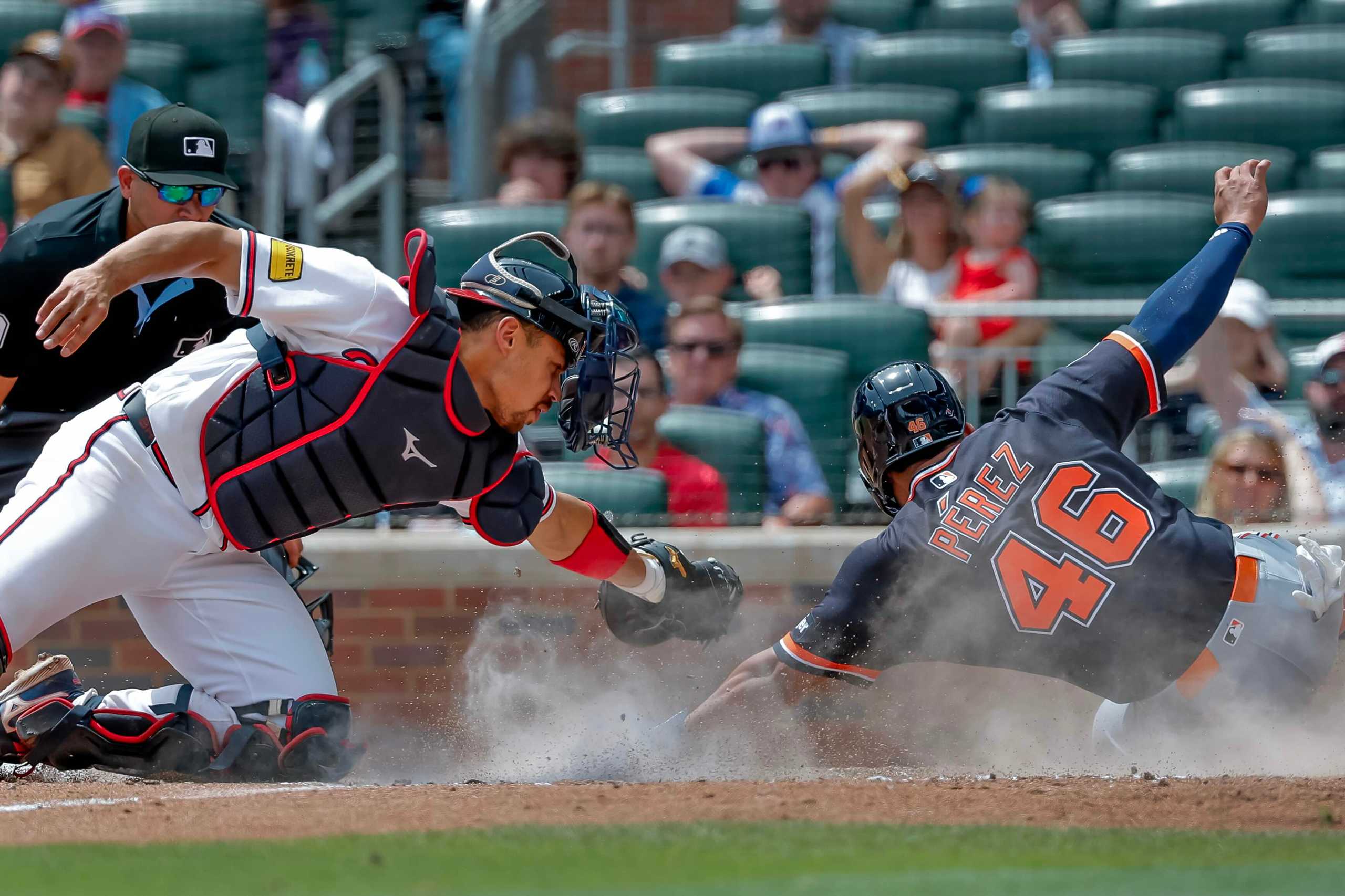
The first, and most obvious, trap of April is the small‑sample fallacy. Ten games is not a season. It is barely a week’s worth of information in a 162-game season.
A hitter slashing .400 over the first two weeks is not suddenly a Hall of Famer, any more than a starter with a 1.20 ERA is a Cy Young candidate. Both are just riding variance.
The metrics that tend to mislead the most in April are:
- Batting average can spike in a short stretch, yet regress quickly to career norms once the sample grows.
- ERA is still heavily driven by things like BABIP, strand rate, and randomness, which can distort a pitcher’s perceived value early.
- Bullpen usage varies as roles are still being defined, and early‑season outcomes often say more about sequencing than about real‑world quality.
When bettors anchor to win‑loss records, ERA leaders, or any other first-month story, they are often betting on noise dressed up as a trend. The smarter move is to lean on more stable indicators like exit velocities, strikeout and walk rates, quality‑of‑contact data, and longer‑term track records rather than letting April storylines dictate money.
This year, there’s also a slew of rule changes teams are getting used to.
Pitching is especially unstable
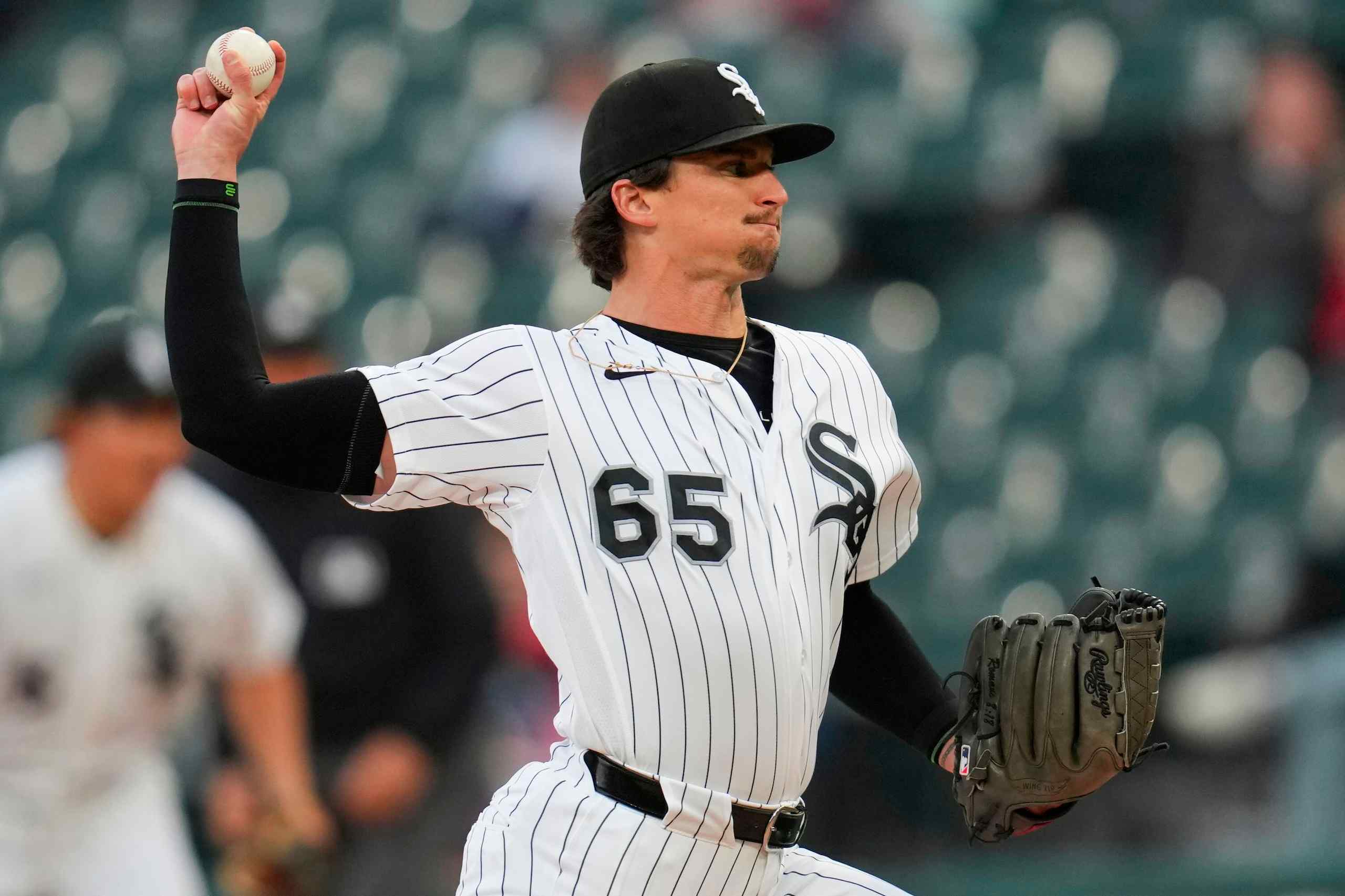
Pitching tends to be messier in April than it will be in June or July, and that makes early‑season bets a lot more fragile. Starters are still working back into full workload, their command can waver, and velocity is often still rounding into form.
Analysis of early‑season performance shows that starting pitcher ERAs in the first three outings are essentially noise. A pitcher can post sub‑2.00 numbers in April and then sit around 4.50 by midseason, or vice versa. The metrics that stabilize faster like strikeout and walk rates, and general contact profile, are more useful early indicators, but they are also less intuitive to the casual bettor.
Bullpens are even more volatile. Roles are still being figured out, managers are experimenting with usage, and a few early leaks can look like a systemic meltdown when, in reality, they are just a rough patch. Betting on a fried bullpen in April, or fading a pen that just blew two games, is often a bet on a short‑term hiccup, not a long‑term problem.

Weather and scheduling distort the picture
Weather and scheduling can push April games into territory that looks abnormal, even if the teams are roughly what they were projected to be. Cold weather, in particular, can suppress offense and turn normal‑looking winds into run‑suppression zones. That variance can tilt the over/under on a game in misleading ways.
A West Coast or warm‑weather team playing in a chilly northern park in early April may see its offense look worse than it really is, because the conditions are hostile to hitting. Wind, rain and temperature swings can all shift a game’s total by a run or more, and books often adjust before the average bettor even checks the forecast.
Scheduling quirks add another layer. Travel, day‑night splits, and the early‑season grind can create a few games that look like outliers even when the underlying talent is unchanged. A team that looks like a soft underdog in April may simply be dealing with a bad schedule loop, not a real decline.
Markets overreact quickly
April is when public sentiment swings hardest, and books are happy to let it happen. A team starts 8‑1, the narrative becomes they’re for real, and the public floods the money side. The market adjusts, the line jumps, and suddenly what looked like a cozy plus‑money underdog is a middling favorite with a much thinner edge.
The reverse can be just as dangerous. An early‑season cold start gets amplified into an overhyped thesis, and the book opens a new favorite that looks juicier than it should. Research shows that heavy public backing on road favorites of ‑200 or higher has actually lost money over recent seasons, despite a high win rate, because the juice outpaces the underlying edge.
April also sets up a lot of futures bets disasters. Enthusiastic early‑season reactions lead to believers locking in division winners, playoff tickets, or over‑totals based on a 15‑game sample, when the market has not yet fully priced in how much of that start is just noise.

How to bet April more carefully
April betting is not unwinnable, but it requires a different mindset. The key is to treat the month as a data‑collection phase, not a proof‑of‑concept phase.
- Focus on process, not records. Pay more attention to underlying metrics like strikeout and walk rates, contact quality, batted‑ball profiles, and long‑term trends than to win‑loss records or small sample stats.
- Use caution with futures and narratives. Avoid over‑leveraging early‑season stories or reacting to one‑week hot streaks in division or total lines.
- Check for confirmed trends, not one‑week noise. Wait for metrics to stabilize over a longer sample before treating a team or player as a bettable trend.
- Factor in weather, schedule, and roles. Consider how cold‑weather parks, travel, and bullpen patterns might be distorting what looks like a 10‑game signal.
April Betting Traps
| April Trap | Why It Misleads Bettors | Better Approach |
|---|---|---|
| Hot team starts 7‑2 | Small sample may not reflect true quality | Check underlying metrics, not just record |
| Cold offense | Weather, schedule, or sequencing can suppress runs | Look at contact quality, not just runs scored |
| Bullpen meltdown | Roles may still be unsettled; early leaks are noisy | Track usage patterns and longer‑term trends |
| Rookie breakout | League and books have not yet priced in adjustment | Wait for more data before betting aggression |
April in MLB betting feels like a time of easy edges, but the reality is that it is one of the riskiest months of the year for over‑confident bettors.
The combination of small samples, unsettled pitching and extreme weather can turn a small blip into a months‑long narrative, while the actual edge barely moved. The smartest April bettors are the ones who treat the month as a testing ground, not a jackpot window, and whose entries are based on process, not on a few games that look like a pattern but might just be noise.
Pat Evans is a Grand Rapids-based journalist and editor covering the intersection of business, sports, lifestyle, and gambling regulation. With a background in business journalism and legislative reporting (LSR, iGamingBusiness), he brings an analytical, human-focused approach to stories about modern trends. His work has appeared in regional and national publications, and he is also the author of two books on beer history.
More Articles like this
Does a 4-0 NFL Start Mean You're Playoff Bound?
A 4-0 start can put your team on the fast track to the playoffs, but history shows that even Super Bowl champions don't always start strong.
By Marcus Mosher
The 8 Greatest Sports Movies Ever Made, Ranked
Rocky isn't No. 1 by default. We ranked the eight greatest sports movies ever made, from a boxing warhorse to a table tennis fever dream, weighing critical scores against what actually stuck.
By Cole Rush
Which Sports Punish Losing Teams the Most?
From a punishing relegation to first draft pick optimism, discover which sporting leagues have the highest penalties for a losing season and those that feel comparatively lenient.

By Stuart Hughes
MLB Playoff Byes Aren't the Advantage You Might Think
Since baseball went to its current 12-team playoff format, the results show that bye teams only hold a slight Division Series advantage over Wild Card winners.

By Bill Gelman
McKenna, Martone Lead 5 NHL Rookies to Watch
Gavin McKenna and Porter Martone enter as the favorites, but a deep 2026-27 rookie class gives the Calder Trophy race plenty of potential challengers.

By Bill Gelman
Parlaymint Wants to Turn Parlays Into a Team Sport
Parlaymint turns the group parlay into a social sport, giving every bettor one pick, a share of the payout and potentially the entire bill if their leg is the only one that loses.

By Charlon Muscat