
How World Cup Eligibility Rules Give Small Nations Hope
Keeping pace with soccer’s traditional powers has never been easy. But more countries are finding ways to narrow the gap.

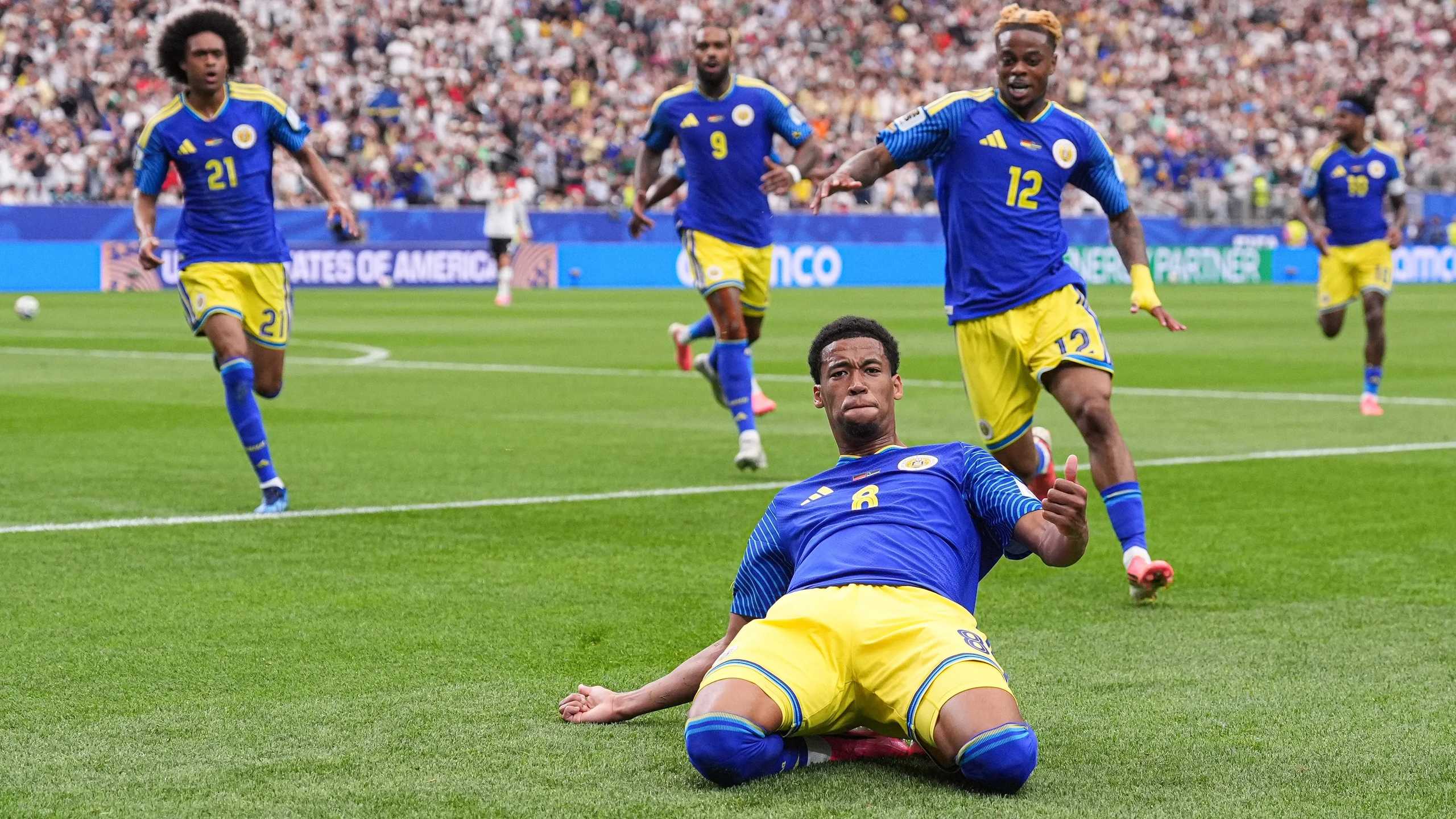
Only eight of the 48 teams at the 2026 FIFA World Cup feature squads made up entirely of players born in the country they represent. The playbook itself is nothing new. As far back as the tournament's third edition in 1938, roughly 12% of athletes represented a nation other than their birthplace. European powers like France, Croatia, and Portugal did it for years, even after FIFA introduced stricter eligibility rules. Now, though, the conversation is drawing more attention as smaller nations cast the net overseas, a strategy that has helped some reach the World Cup for the very first time.
How the Expanded World Cup Opens New Doors
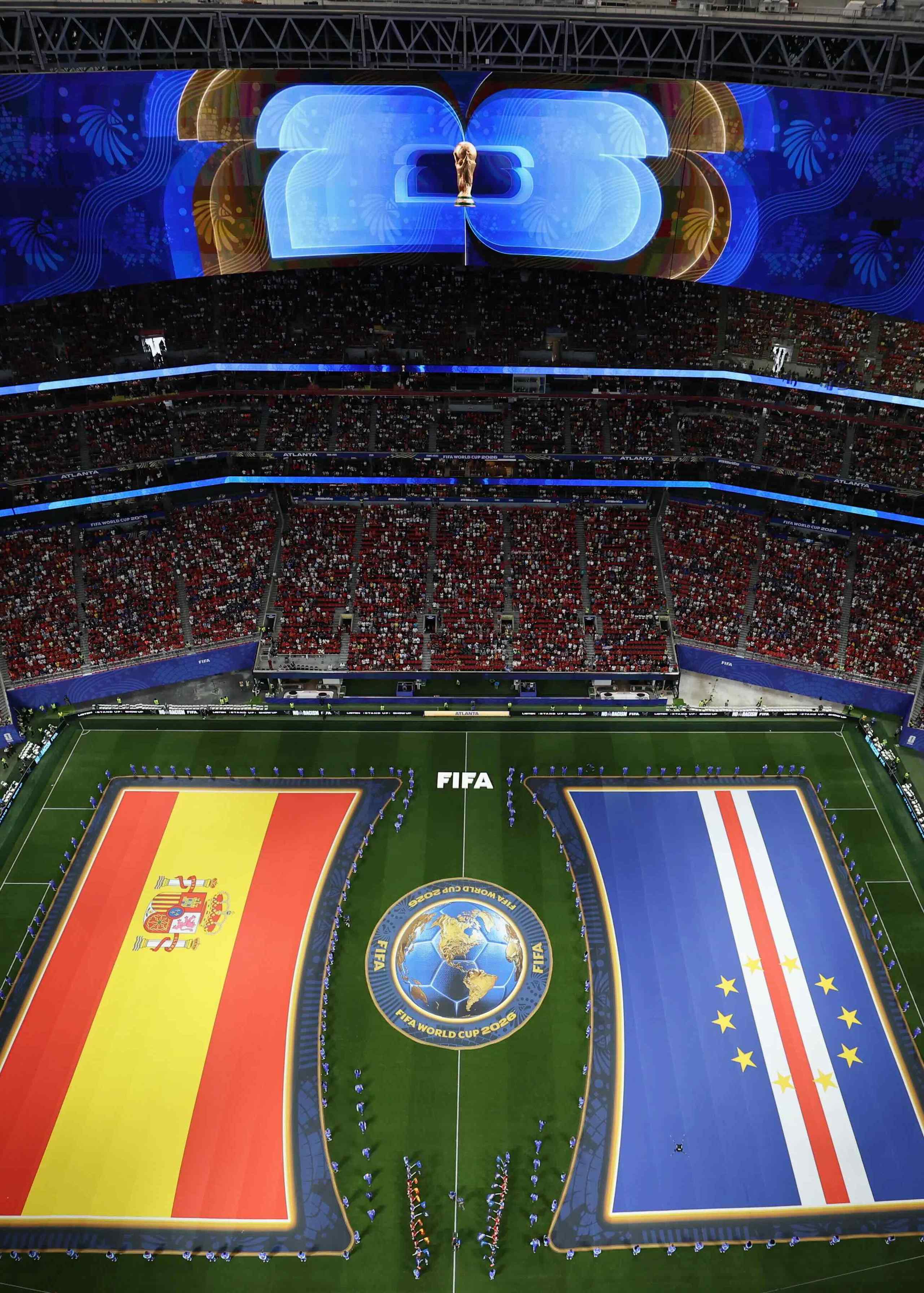
The 2026 FIFA World Cup is set to break new ground with an expansion from 32 to 48 teams. FIFA president Gianni Infantino described the move as an effort aimed at opening the tournament to the world.
All six confederations received larger allocations, as shown below.
Expanded World Cup
| Confederation | Previous Allocation (2022) | 2026 Allocation | Route into Intercontinental Playoff |
|---|---|---|---|
| UEFA (Europe) | 13 direct berths | 16 direct berths | None |
| CAF (Africa) | 5 direct berths + 1 playoff place | 9 direct berths + 1 playoff place | Winner of the CAF playoff among the four best group runners-up |
| AFC (Asia) | 4 direct berths + 1 playoff place | 8 direct berths + 1 playoff place | Winner of the AFC Fifth Round playoff |
| CONMEBOL (South America) | 4 direct berths + 1 playoff place | 6 direct berths + 1 playoff place | The team finishing seventh in the standings |
| CONCACAF | 3 direct berths + 1 playoff place | 6 berths in total* + 2 playoff places | The two highest-placed teams that fail to secure direct qualification |
| OFC (Oceania) | 0 direct berths + 1 playoff place | 1 direct berth + 1 playoff place | OFC qualifying runner-up |
How can soccer national teams recruit from abroad
International soccer is, to a large extent, a numbers game. The greater the population, the higher the odds of producing elite players. The theory is not foolproof, of course. If it were, China and India would be perennial World Cup contenders. Still, the pattern holds more often than it doesn't. Nations with vast populations can identify talent from a much broader pool, funnel more youngsters through academy systems, sustain stronger domestic leagues, attract greater investment, and employ larger groups of qualified coaches.
That reality has forced smaller nations to think creatively. Over the past decade, federations from countries such as Cape Verde, Curaçao, Suriname, and Malta have scoured the globe in search of players with family roots back home. Needless to say, it's not as simple as spotting a potential connection and sending an invitation. FIFA's eligibility framework requires every player to qualify as a national of the country they wish to represent under its citizenship laws. For those born elsewhere, there must also be a clear connection through one of the following routes:
- A biological mother or father was born in the country.
- A grandparent was born in the country.
- The player has lived continuously in the country for at least five years after turning 18.
That is the broad framework, although the rulebook contains a handful of exceptions and special arrangements. The most notable involves the United Kingdom's four home nations, where eligibility can also be established through five years of education before the age of 18.
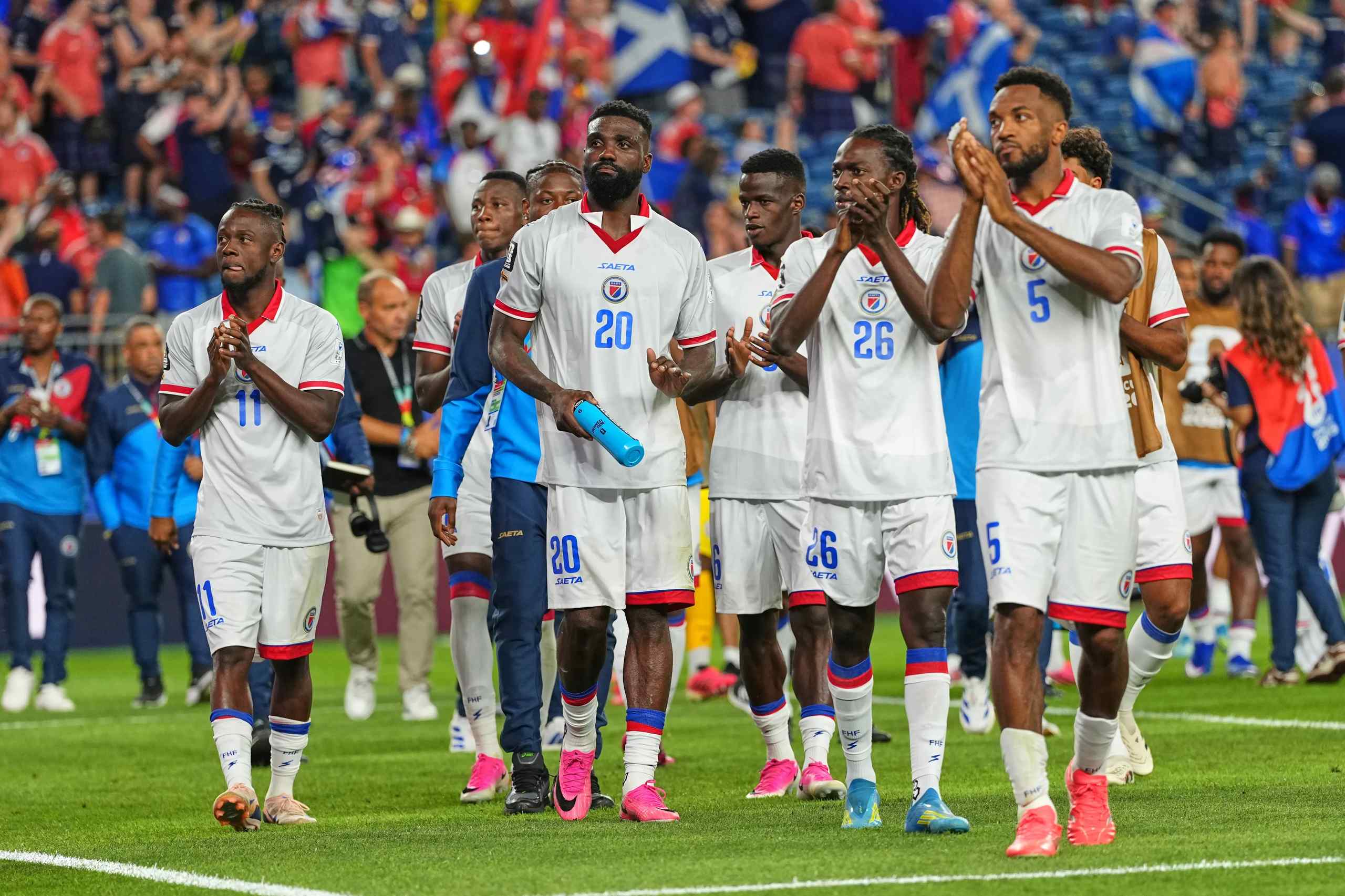
The best examples of diaspora recruitment paying off: Curaçao, DR Congo, and Morocco
289 players at the 2026 World Cup are representing countries other than their place of birth, the highest figure in tournament history. Only eight of the 48 qualified nations selected squads made up entirely of home-born talent. Here's a closer look at the teams that have benefited most from diaspora recruitment and what their World Cup odds look like.
Curaçao
Curaçao's qualification for the 2026 World Cup is arguably the most remarkable achievement of the entire tournament. Home to less than 160,000 people, the Caribbean nation becomes the smallest country ever to reach a World Cup. The feat looks even more impressive when you consider that Curaçao has only existed as a standalone FIFA member since 2011.
Manager Dick Advocaat announced his squad on May 18, keeping faith with the same 26 players who secured a historic 0-0 draw against Jamaica in Kingston last November. Captain Leandro Bacuna leads a roster featuring players from clubs in 10 different countries. Sixteen squad members previously represented the Netherlands at youth level, and all but one, Sheffield United winger Tahith Chong, were born there. Veteran goalkeeper Eloy Room enters the tournament with 71 international caps, a national team record he shares with Bacuna.
Most sports betting sites expect Curaçao to finish bottom of Group E, with Germany, Ecuador, and Ivory Coast all viewed as stronger sides on paper. The odds, however, overlook one important factor: very few teams arrive with less pressure. Dick Advocaat's side opens at +20000 to win the group. Qualification, on the other hand, is priced much shorter at around +1000, thanks in part to the expanded format and its pathway for top third-place finishers.
DR Congo
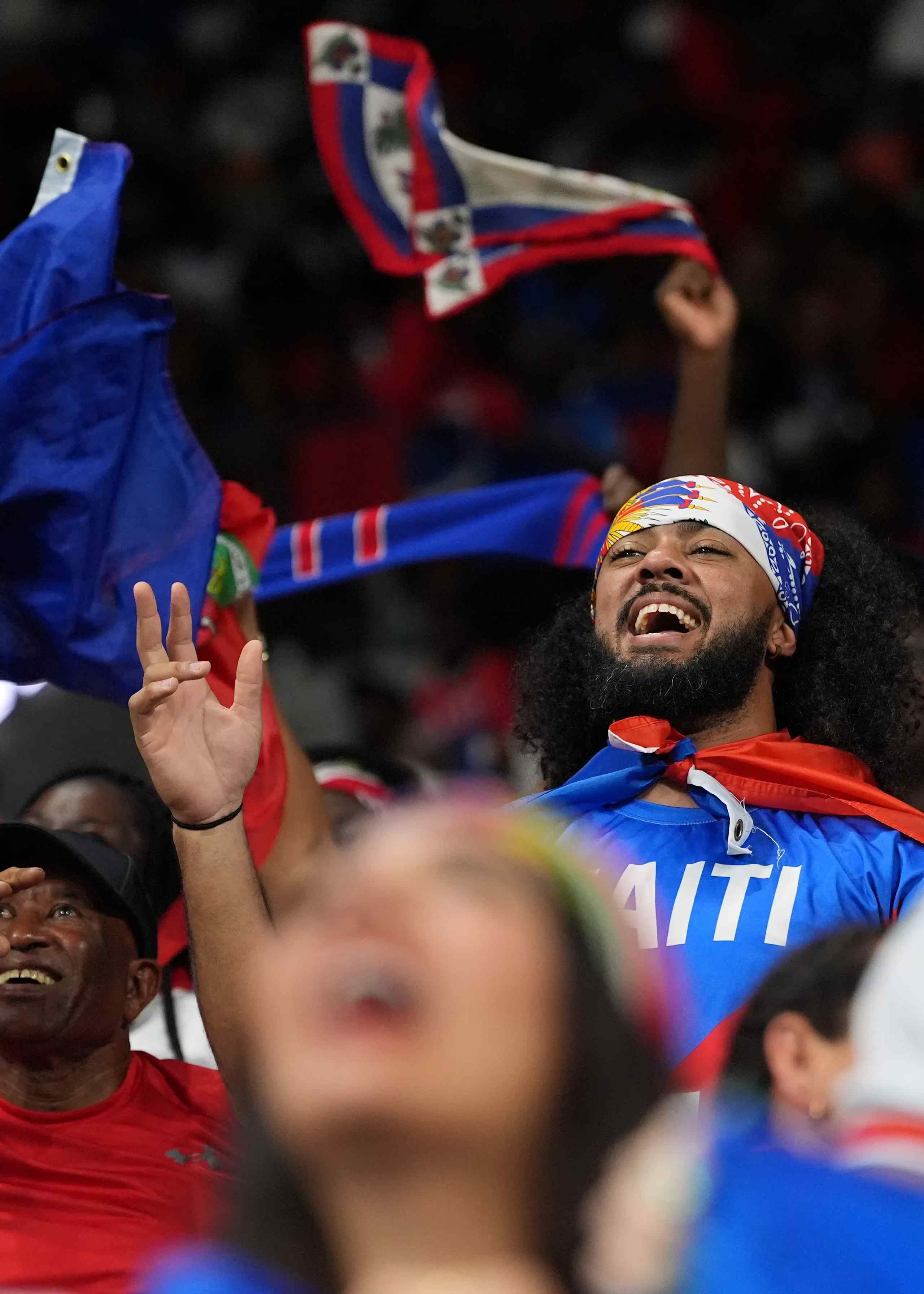
The Democratic Republic of the Congo is another country that relies heavily on players developed abroad, though for reasons very different from Curaçao. Congolese families who settled in countries such as Belgium and France saw their children come through elite academies like Anderlecht, Standard Liège, Genk, Lille, and Lens. In doing so, they gained access to world-class coaching, advanced facilities, nutritional programs, sports science expertise, and top-level competition that can be difficult to replicate at home.
Former England U21 international Axel Tuanzebe wrote his name into Congolese soccer history when his extra-time winner against Jamaica helped send the Leopards to their first World Cup since 1974. Born in DR Congo before moving to England as a child, Tuanzebe joined Manchester United's academy at eight and broke into the club's first-team setup before his 18th birthday. His journey mirrors that of many teammates. Of the 26 players selected for the tournament, 20 were born outside DR Congo, including 11 in France, five in Belgium, and two in both England and Switzerland.
According to Transfermarkt, DR Congo arrives at the World Cup with a squad valued at €143.9 million. The Leopards have been drawn into Group K alongside Cristiano Ronaldo's Portugal, Colombia, and Uzbekistan. Odds to qualify for the knockout rounds through any route currently stand at +120, while soccer betting sites assigned +1400 to a first-place finish.
Morocco
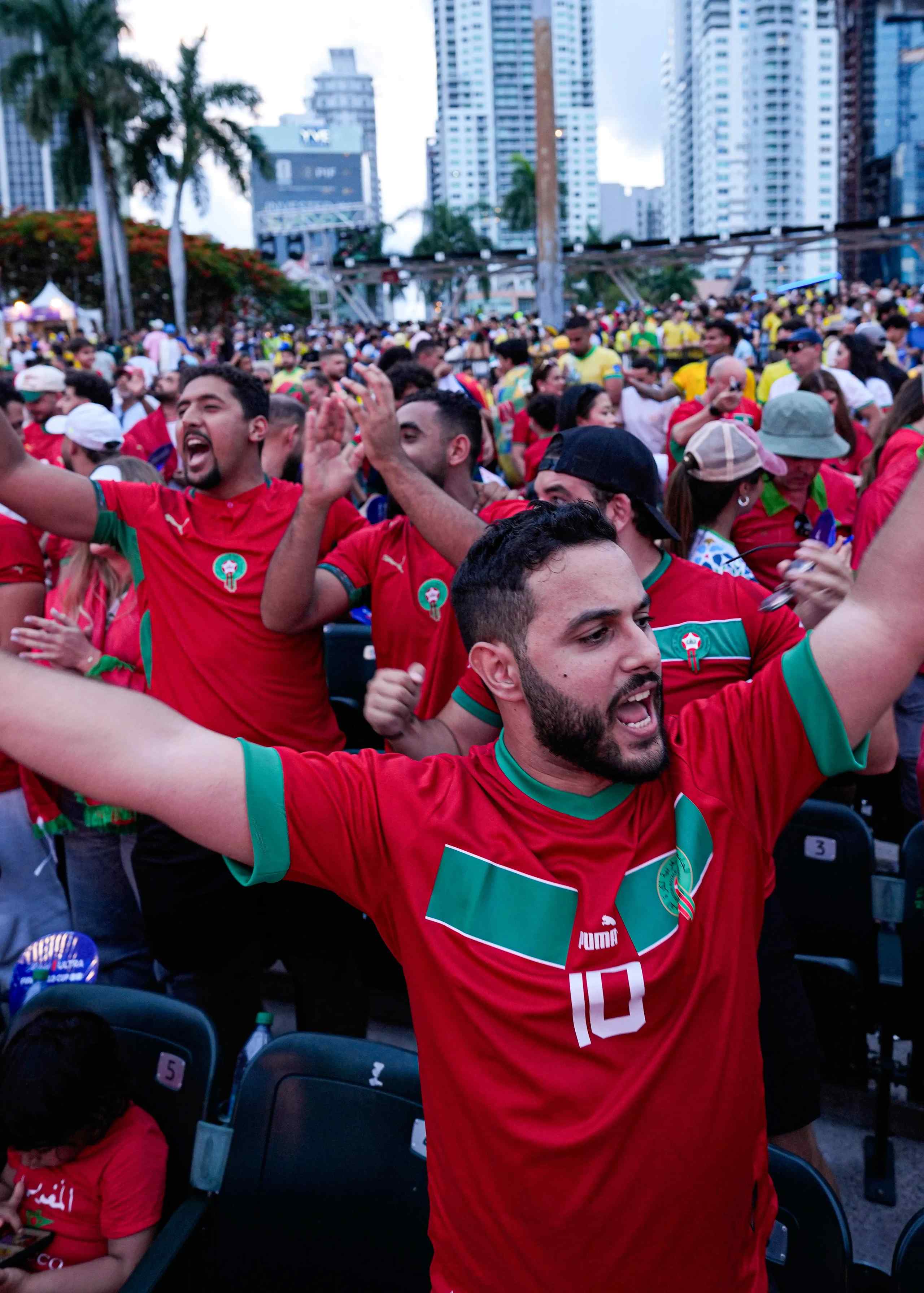
Morocco's historic run to the 2022 World Cup semifinals was powered by the most diaspora-heavy squad in the tournament. 14 of its 26 players were born outside the country. Ranked 22nd in the world and never previously beyond the Round of 16, the Atlas Lions entered Qatar as unlikely contenders. They went on to beat Belgium in the group stage before knocking out Spain and Portugal, becoming the first African nation ever to reach a World Cup semifinal.
For the 2026 World Cup, Morocco doubled down on the same formula. Fulham defender Issa Diop, PSV Eindhoven defender Anass Salah-Eddine, and Lille midfielder Ayyoub Bouaddi all received FIFA approval to switch international allegiance within the past nine months. Brahim Diaz made a similar move two years ago after previously representing Spain.
Morocco opens its 2026 World Cup campaign against Brazil on June 13 at MetLife Stadium in East Rutherford, New Jersey. Mohamed Ouahbi's side then travels to Foxborough, Massachusetts, for a meeting with Scotland before closing Group C against Haiti on June 24 at Mercedes-Benz Stadium in Atlanta. Sportsbooks have Morocco at +1100 to reach the semifinals, while prediction markets on the Atlas Lions returning to the final four have seen "No" contracts trade around $0.89, equivalent to an implied probability of 89%.
Charlon Muscat is an established iGaming expert who entered the space in 2019 and went on to build a name across both casino and sportsbook content.
More Articles like this
The 10 Most Unforgettable Quotes in Sports History
From Jordan's hard truths to Healy's cheeseburger dig, these legendary greats uttered 10 iconic quotes that turned out to be as memorable as their sporting achievements.

By Stuart Hughes
Eight Years, Eight NBA Champions. Is Parity Here to Stay?
Eight different teams have won the NBA championship in eight years, the longest such streak in league history. Can the Knicks finally break the cycle, or will another contender claim the crown?
By Bill Gelman
Is This the Biggest Acquisition Era in Sports Betting History?
Sportsbooks, prediction markets, and sweepstakes apps are fighting for the same customers. We compared 11 welcome offers to see who's offering the biggest incentives.

By Cole Rush
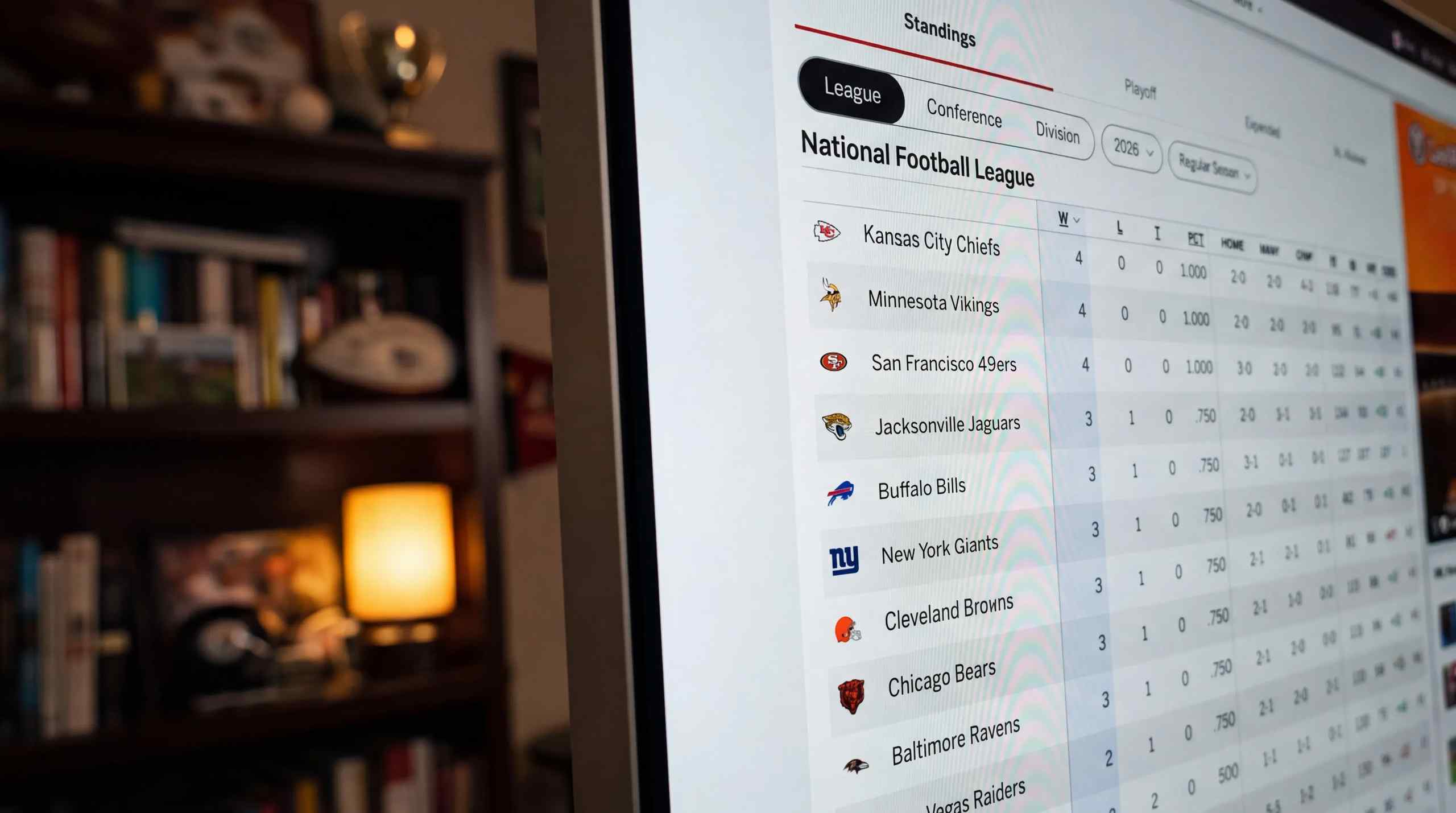
Does a 4-0 NFL Start Mean You're Playoff Bound?
A 4-0 start can put your team on the fast track to the playoffs, but history shows that even Super Bowl champions don't always start strong.
By Marcus Mosher
The 8 Greatest Sports Movies Ever Made, Ranked
Rocky isn't No. 1 by default. We ranked the eight greatest sports movies ever made, from a boxing warhorse to a table tennis fever dream, weighing critical scores against what actually stuck.
By Cole Rush
Which Sports Punish Losing Teams the Most?
From a punishing relegation to first draft pick optimism, discover which sporting leagues have the highest penalties for a losing season and those that feel comparatively lenient.
By Stuart Hughes