
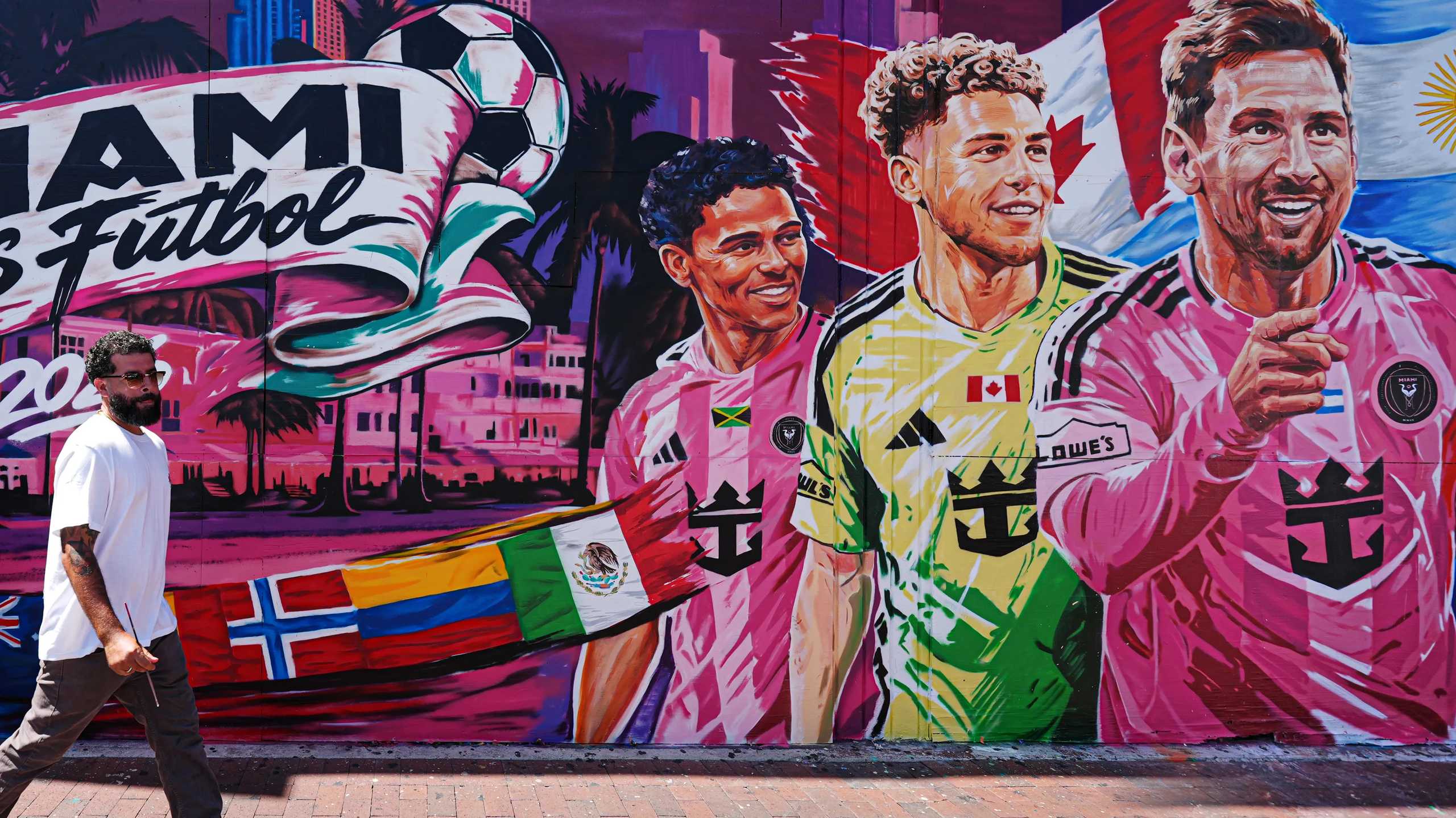
Can MLS Make the Most of World Cup Fever?
The World Cup is over, but MLS' biggest test is just beginning. Can the league turn record-breaking interest into lasting fans and sustained growth?

For well over a month, the FIFA World Cup dominated the world's attention as sports fans embarked on an unforgettable 104-game tournament experience, which ultimately culminated last week at the World Cup Final in New Jersey.
With packed stadiums, record-breaking broadcasting and streaming audiences, and a bevy of MLS stars including Lionel Messi orchestrating a soccer masterclass - the World Cup may have ended, but MLS bosses believe it’s only just getting started.
An Unprecedented World Cup Springboard For the MLS
Granted, if the MLS ever needed proof that soccer and soccer betting was seriously capable of capturing domestic NFL-like attendances and audience viewership, then the 2026 World Cup just did that.
After all, millions of North American soccer fans flooded into its 13 US and Canadian stadia (five of which are MLS venues themselves), as well as its World Cup Fan Zones and designated watch party areas, demonstrating America does indeed have an affinity with the 'beautiful game'.
Both English- and Spanish-language television audience figures soared as the MLS-centric US and Canadian teams advanced to the latter stages of the competition. Meanwhile, the domestic trend in sports travel tourism saw citizens abandon their beach vacations in favor of watching the live World Cup action in person this summer.
Every single aspect of the 2026 World Cup suggests soccer is here to stay, organically creating a truly enviable marketing opportunity for the MLS to inherit an entirely new global fan base.
Wholeheartedly acknowledging this, MLS officials have just launched their "Thanks World, We'll Take It From Here" campaign, which embraces targeted digital marketing efforts building on the success of the World Cup.
Spearheaded by marketing gurus Ogilvy, the campaign represents an eight-figure marketing investment by the MLS in the hope of boosting the league's brand awareness. However, the primary emphasis remains on driving up in-person match attendances among new and existing MLS fans, while extending the league's reach to wider international audiences via its streaming and broadcast distribution agreements.

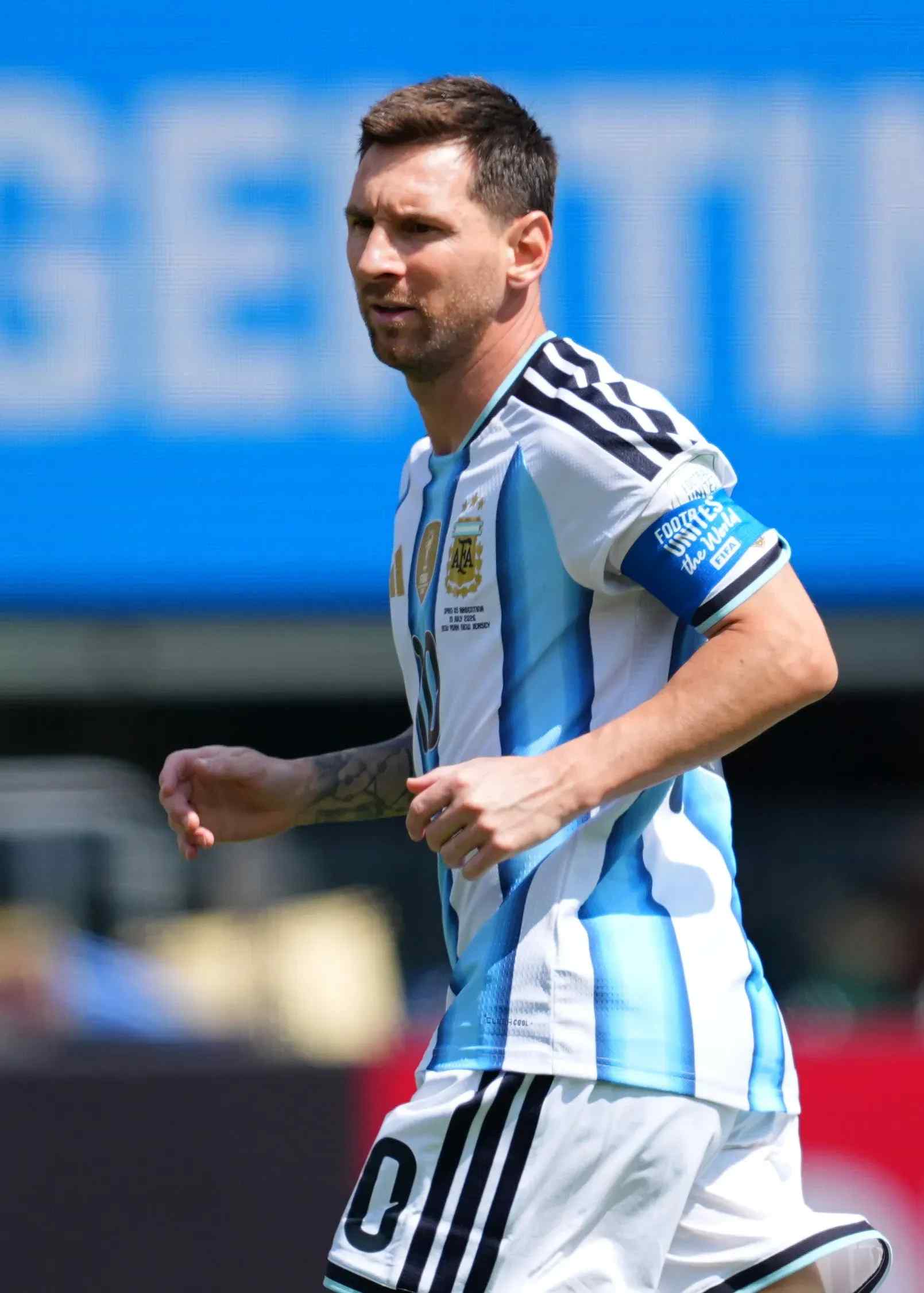

MLS Players That Became the World Cup's Secret Ingredient
Ask any casual soccer fan and the majority would assume the World Cup only featured the biggest stars from Europe and South America's top leagues. However, in doing so, they’re doing a disservice to the MLS league, which itself had a star-studded catalog of World Cup idols this time around.
In fact, 45 MLS players represented 17 different nations during the 2026 World Cup, easily making it one of the best-represented domestic leagues outside Europe's famous "Big Five."
Top 5 MLS Players at World Cup 2026
| Player | Nation | MLS Team | World Cup Stage Reached |
|---|---|---|---|
| Lionel Messi | Argentina | Inter Miami CF | Final |
| Rodrigo De Paul | Argentina | Inter Miami CF | Final |
| Andrés Cubas | Paraguay | Vancouver Whitecaps FC | Round of 16 |
| Stephen Eustáquio | Canada | LAFC | Round of 16 |
| Sebastian Berhalter | United States | Vancouver Whitecaps FC | Round of 16 |
Apple TV Might Be a Huge Advantage for MLS
The pressure is certainly on MLS management not to drop the ball here, but aside from the post-World Cup tailwinds, Apple TV's MLS Season Pass could be another catalyst for getting more bums on stadium seats throughout the season.
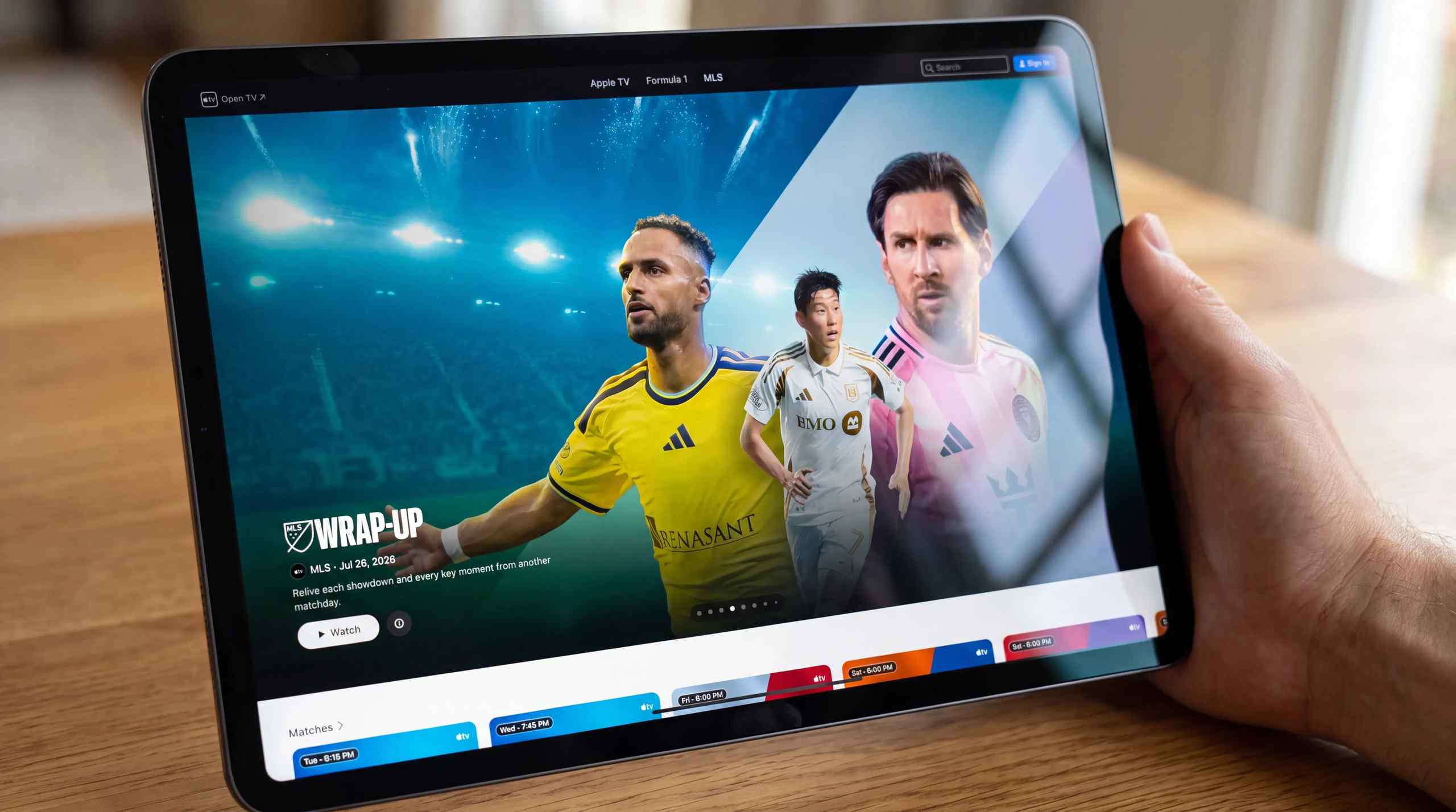
It's fair to say watching the MLS is significantly easier than it was five years ago since Apple TV scrapped regional blackouts, opting to broadcast every league match to audiences across the country and more than 100 other nations. Apple TV also offers MLS in Spanish for the sizable Hispanic community in the USA. It’s dead simple: If you subscribe to Apple TV you get every single MLS game on the schedule.
Don't be fooled, it's no easy task trying to pry eyes away from legacy soccer leagues like the EPL, let alone rival domestic leagues such as the NFL, NBA, and MLB - but nobody expects the MLS to trump these any time soon. Arguably, having hosted an incredible World Cup, the goal is no longer about discoverability - instead, the challenge lies in converting this new wave of enthusiasm into a more expansive MLS fanbase.
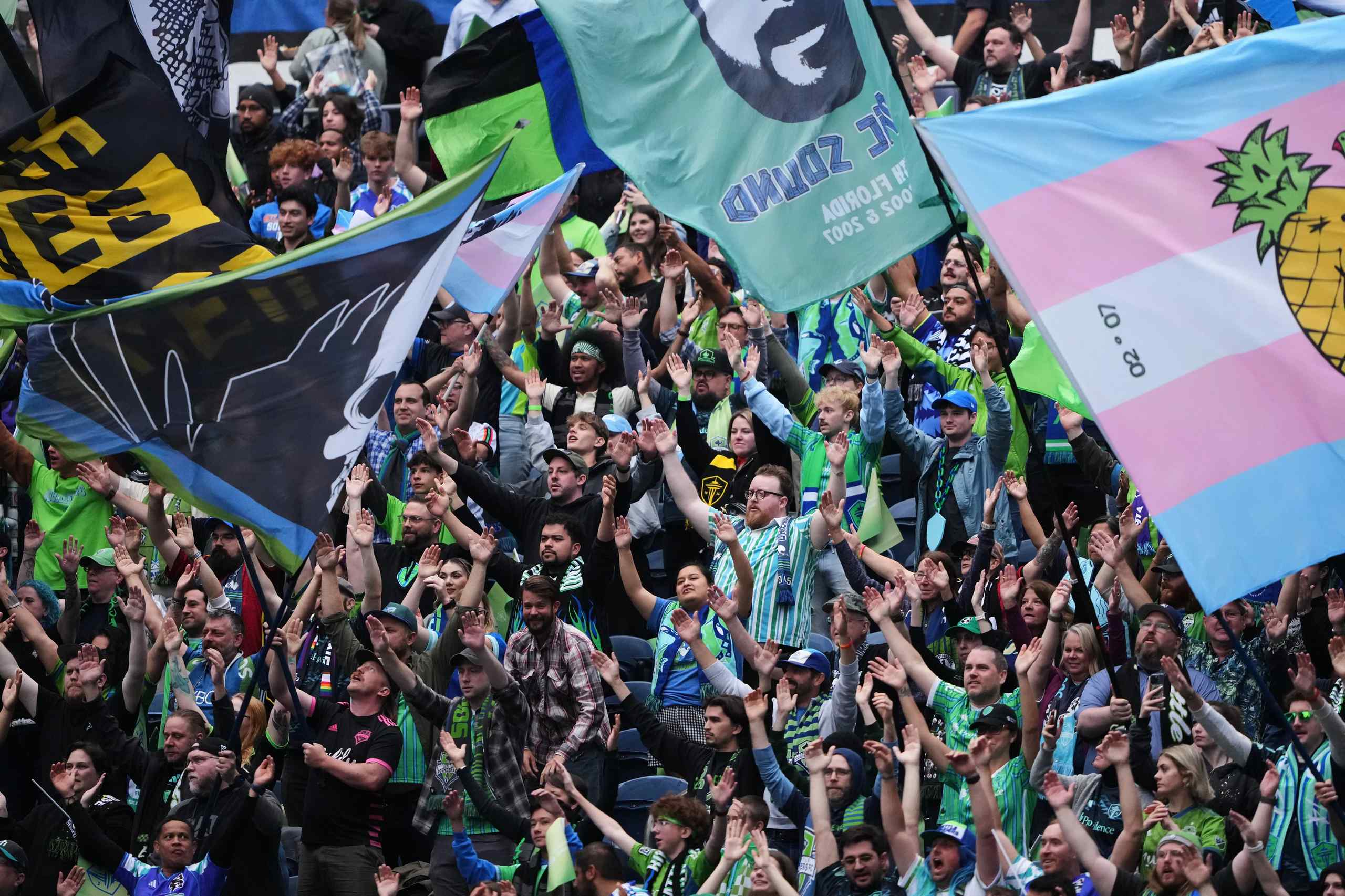
Challenges That Could Sink the MLS' World Cup Windfall
If history tells us one thing, successful World Cups do not always equate to a permanent uptick in domestic league growth, as once the drama of international soccer fades, so does the surge in interest outside of native soccer devotee circles.
On the domestic front, the allure of the English Premier League, La Liga, and the Bundesliga will always be an ever-present threat to the MLS in siphoning off the league's younger talents. Sure, over the years, marquee players like Messi, Beckham, and Ibrahimovic have helped elevate the league's status on the international stage, but the hope is this World Cup will ensure the MLS attracts even more stars of this caliber than ever before.
Nevertheless, there are external factors that could also unduly influence the MLS’s planned league expansion.
For instance, following the scandalous World Cup ticket price hikes by FIFA, US fans may now be of the view that soccer gamedays are an expensive outing - fine for the World Cups, but not necessarily for domestic league games. At the same time, as seen during the tournament itself, MLS organizers will have to contend with unfavorable weather conditions throughout the season, given the current Super El Niño affecting global weather patterns.
How Would We Know If MLS Successfully Capitalized on the US’s World Cup Legacy?
Without a doubt, it won’t take long to establish if the World Cup has indeed helped to catapult the MLS towards becoming a true major American sports league.
Having just resumed the season after a seven-week hiatus, the first factor to watch out for is just how quickly MLS attendances decay following the inevitable World Cup bump. Survive this natural drop-off, and sighs of relief will emanate from MLS league HQ, before their focus switches to driving an uptick in regular and season ticket sales ahead of the 2027 season as a more defined metric of success.
MLS 10 Year Attendances
| Year | Total Attendance | Average Attendance | YoY Change |
|---|---|---|---|
| 2025 | 11,213,880 | 21,988 | -5.4% |
| 2024 | 11,454,205 | 23,234 | +5.1% |
| 2023 | 10,900,804 | 22,111 | +5.1% |
| 2022 | 10,011,578 | 21,033 | +61.2% |
| 2021 | 6,213,022 | 13,536 | N/A |
| 2020 | 637,020 | 2,182 | N/A (pandemic) |
| 2019 | 8,702,674 | 21,330 | -2.5% |
| 2018 | 8,552,503 | 21,873 | -1.1% |
| 2017 | 8,267,534 | 22,106 | +1.9% |
| 2016 | 7,375,287 | 21,692 | +0.6% |
Additionally, other MLS revenue drivers will also become vital barometers, perhaps most telling will be the domestic and international audience figures, as a positive intonation will undoubtedly fuel a new wave of highly lucrative MLS sponsorship deals for years to come.
Outside of these, merchandise sales, MLS-specific search engine traffic, and amplified social media engagement and continued online community growth are all also tangible indicators of the positive impact the World Cup has had on the league.
The Bottom Line
Unquestionably, this is the MLS’ game to lose, and the organizers know this. Hosting a successful World Cup has instinctively created something that money can’t buy: competitive validation and a potential new international fanbase numbering in the millions.
Miss out on this dynamic opportunity, and the MLS will revert to being a retirement league for stars who want one last payday. However, should this momentum continue into 2027 and beyond, then the MLS could very well become a viable destination for primetime superstars such as the likes of Kylian Mbappé and Lamine Yamal at the absolute peak of their powers.
Stuart Hughes is a London-based freelance journalist covering sports, travel, lifestyle, and technology. He’s worked with brands like Lenovo, Best Western, and Frontier Airlines, bringing a global perspective shaped by years of travel.
More Articles like this
Why Does Everybody Hate Us? Top 10 Most Hated Sports Teams Ever
Some teams always win; others get caught breaking the rules. Either extreme is a surefire way to become universally hated, as these 10 sports teams can attest to.
By Stuart Hughes
5 Outrageous Sports Rules That Need to Die
From a missed signature disqualification to a two-minute penalty for a tucked-in jersey, find out about the top five dumbest rules in sport that leave common sense in the locker room.

By Stuart Hughes
The 10 Most Unforgettable Quotes in Sports History
From Jordan's hard truths to Healy's cheeseburger dig, these legendary greats uttered 10 iconic quotes that turned out to be as memorable as their sporting achievements.

By Stuart Hughes
Eight Years, Eight NBA Champions. Is Parity Here to Stay?
Eight different teams have won the NBA championship in eight years, the longest such streak in league history. Can the Knicks finally break the cycle, or will another contender claim the crown?
By Bill Gelman
Is This the Biggest Acquisition Era in Sports Betting History?
Sportsbooks, prediction markets, and sweepstakes apps are fighting for the same customers. We compared 11 welcome offers to see who's offering the biggest incentives.

By Cole Rush
Does a 4-0 NFL Start Mean You're Playoff Bound?
A 4-0 start can put your team on the fast track to the playoffs, but history shows that even Super Bowl champions don't always start strong.
By Marcus Mosher