
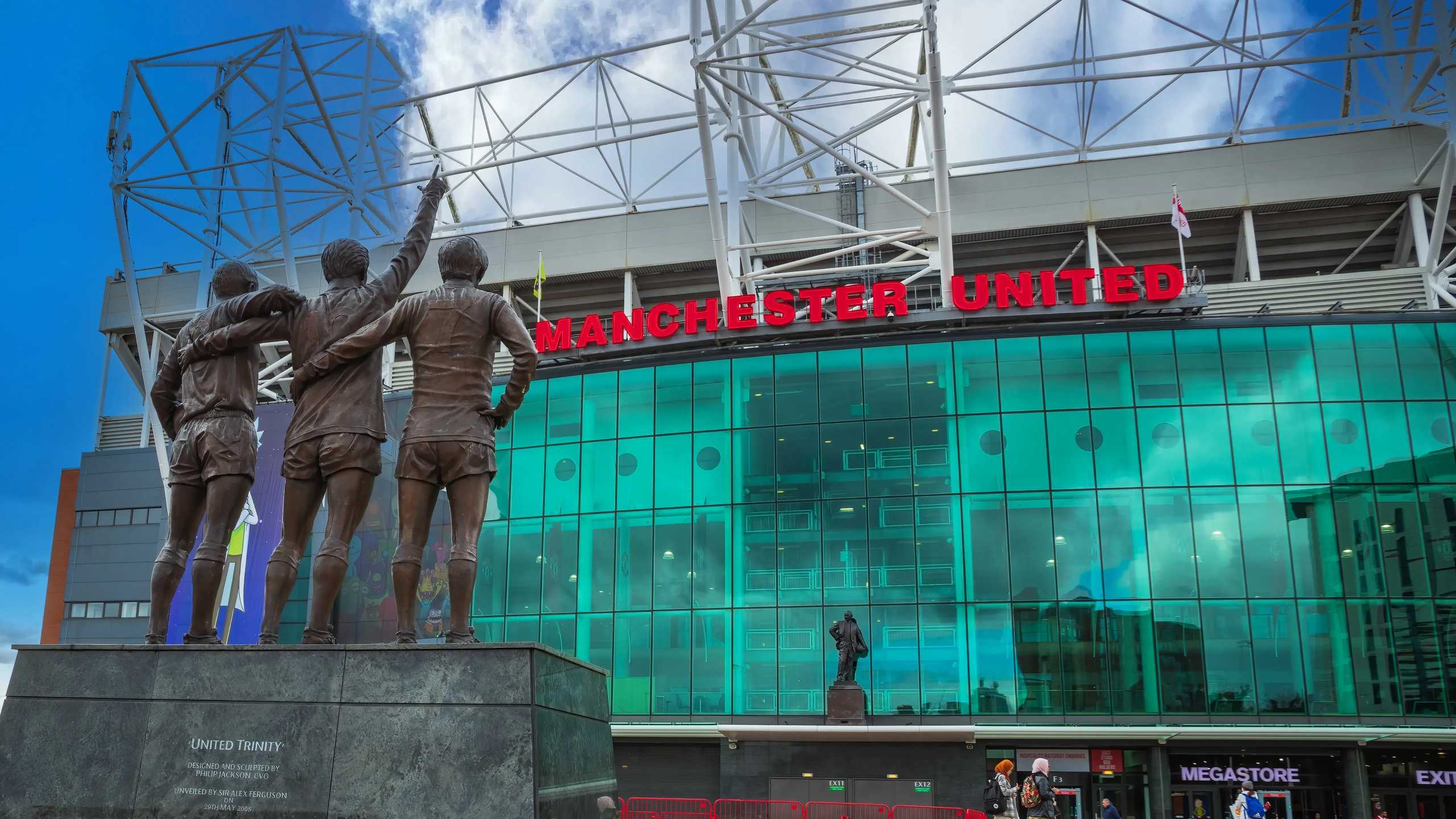
£1.98 Billion Down the Drain? A Look at Man United’s Lost Decade
Nearly £2 billion in player registrations, five permanent managers and countless resets later, Manchester United are still searching for the plan that will finally stick.
From 2015 through 2024, the CIES Football Observatory had Manchester United at £1.67 billion in transfer investment. City’s figure was almost identical, £1.68 billion, yet that period brought six Premier League titles. United won none.
Michael Carrick’s surge to third last season offered the latest hope of a durable way forward. Then came an opening-weekend defeat to newly promoted Hull, and the familiar doubts returned. United clearly had the spending power, so why have so many expensive rebuilds failed to produce a lasting title challenge?
A crack in Carrick’s revival
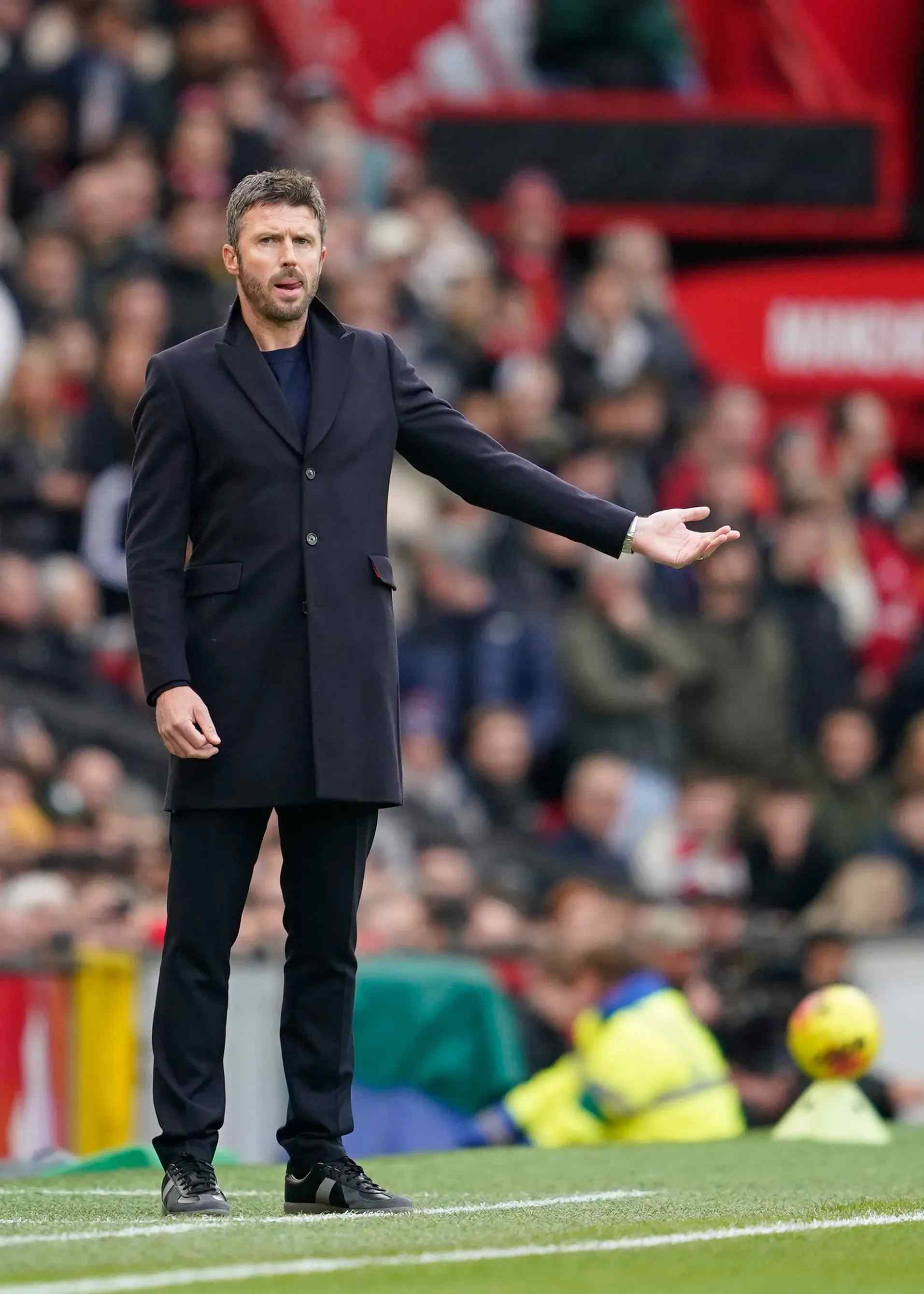
On August 22, newly promoted Hull City handed Carrick a rough welcome, beating United 2-0 in his first competitive game since getting the job full-time. This was the team several top sports betting sites installed as relegation favorites before the season. Semi Ajayi and Nobel Mendy had both scored by the break as the Tigers earned their first league victory over United in 52 years. Bruno Fernandes and company had 72% of the ball, but as Reuters reported, “it felt like possession without purpose. Centre back Harry Maguire was among their most threatening attacking outlets.”
The Hull defeat came after months of momentum under Carrick. Since replacing Ruben Amorim in January, he’d taken 39 points from 17 league games, more than anyone else over that stretch. United were suddenly up in third, with Champions League soccer back on the menu. And this wasn’t some soft run. Arsenal, Manchester City, Liverpool and Chelsea all went down along the way, enough for the club to hand Carrick a deal through 2028.
The team somewhat redeemed itself by smashing Ipswich Town 5-2 in Week 2 but fans remain nervous. We’ve seen this movie at United before, after all. New manager, big bounce, a summer feeling good about where things are headed, and then 90 minutes that bring some of the old problems right back into view.
The search for a post-Ferguson plan
Ferguson’s legacy still hangs over everything that came after. His final league title was United’s 13th of the Premier League era, and that 1999 treble still looms large in conversations about the best soccer teams of all time. The way they finished it, two injury-time goals against Bayern Munich, sealed one of the wildest endings in Champions League final history. So yes, every manager after him walked into an impossible comparison. But after more than a decade, you can’t pin all the zigzagging, mismatched decisions on Ferguson’s shadow.
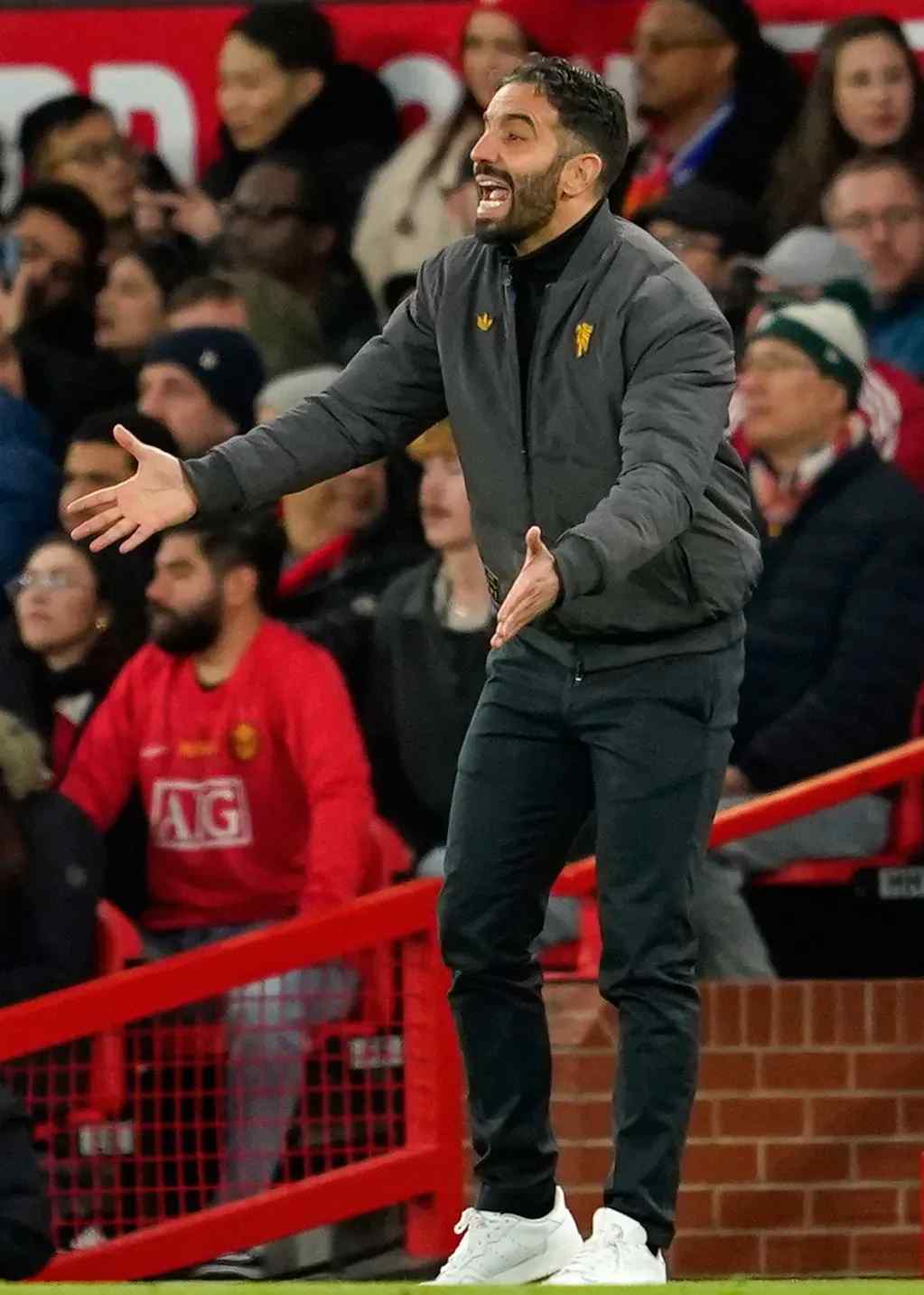
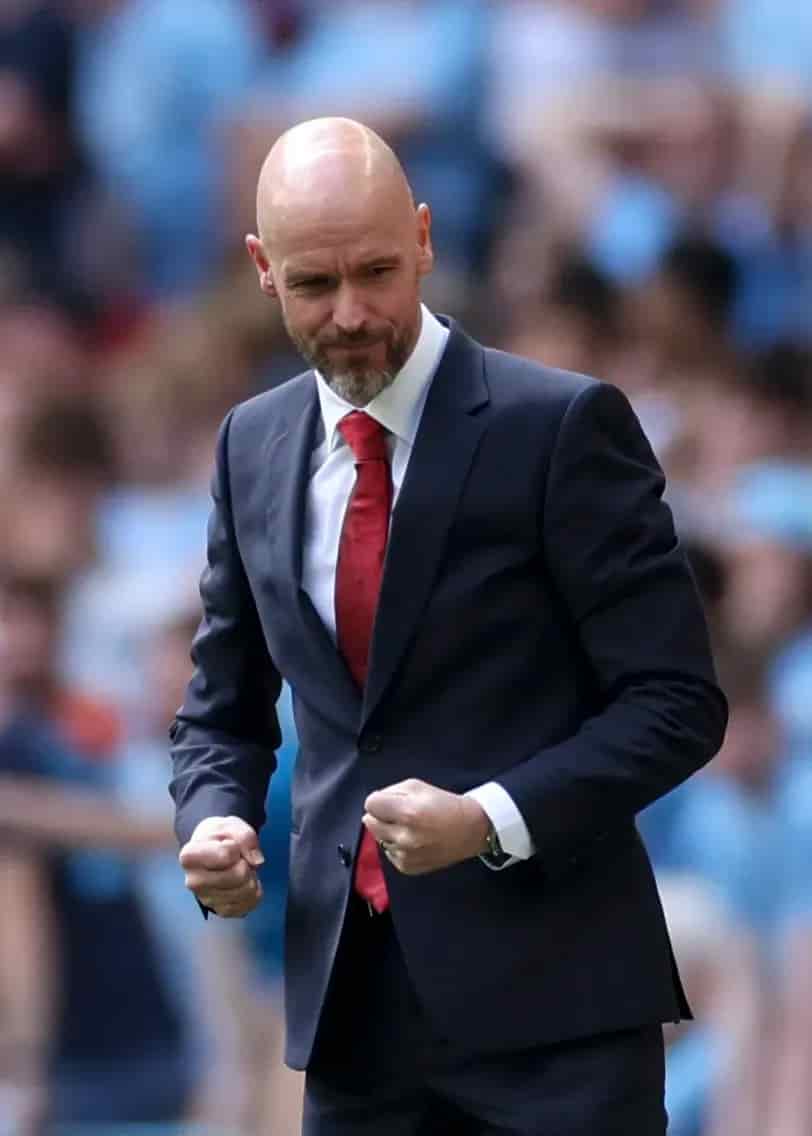
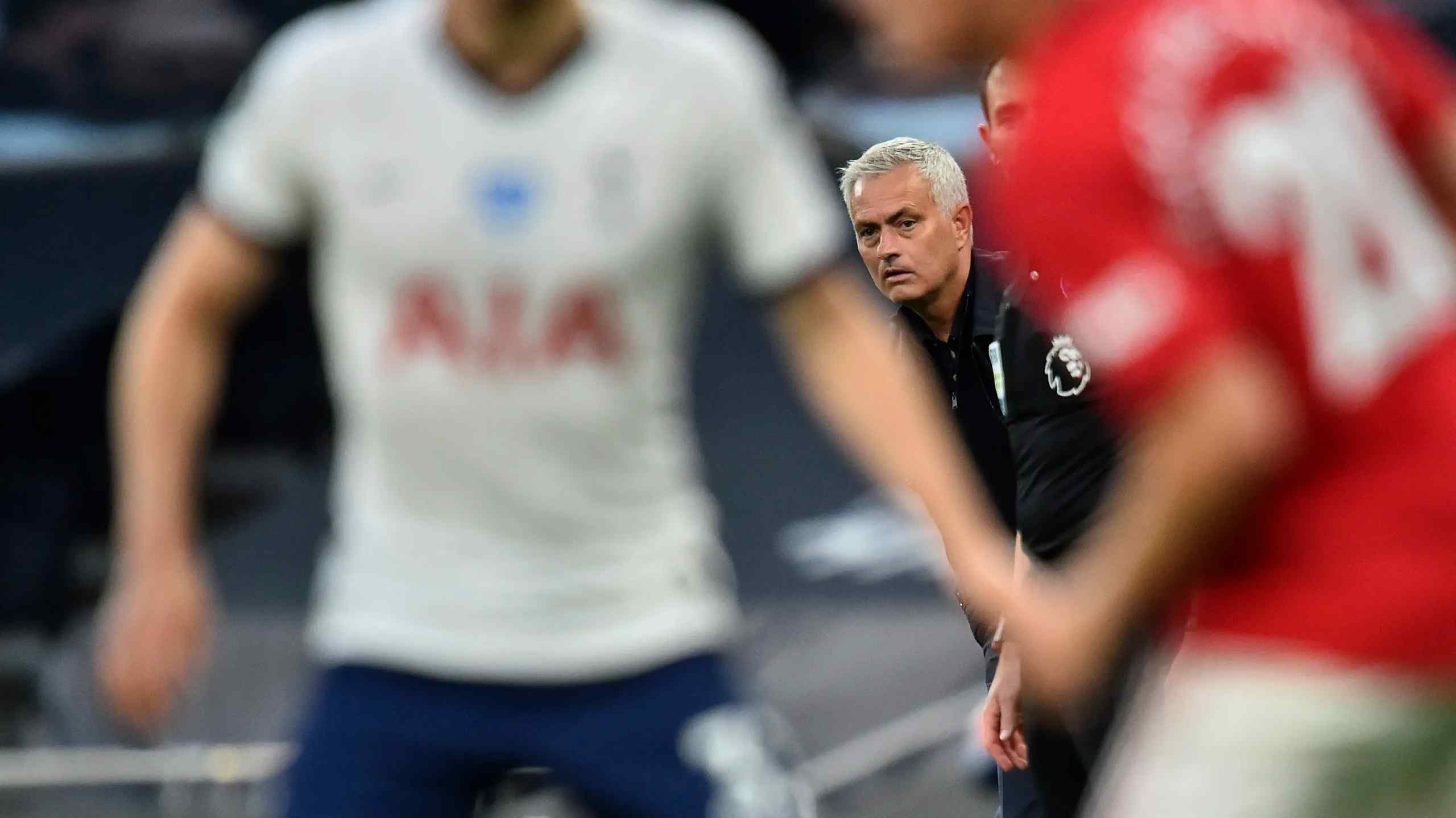
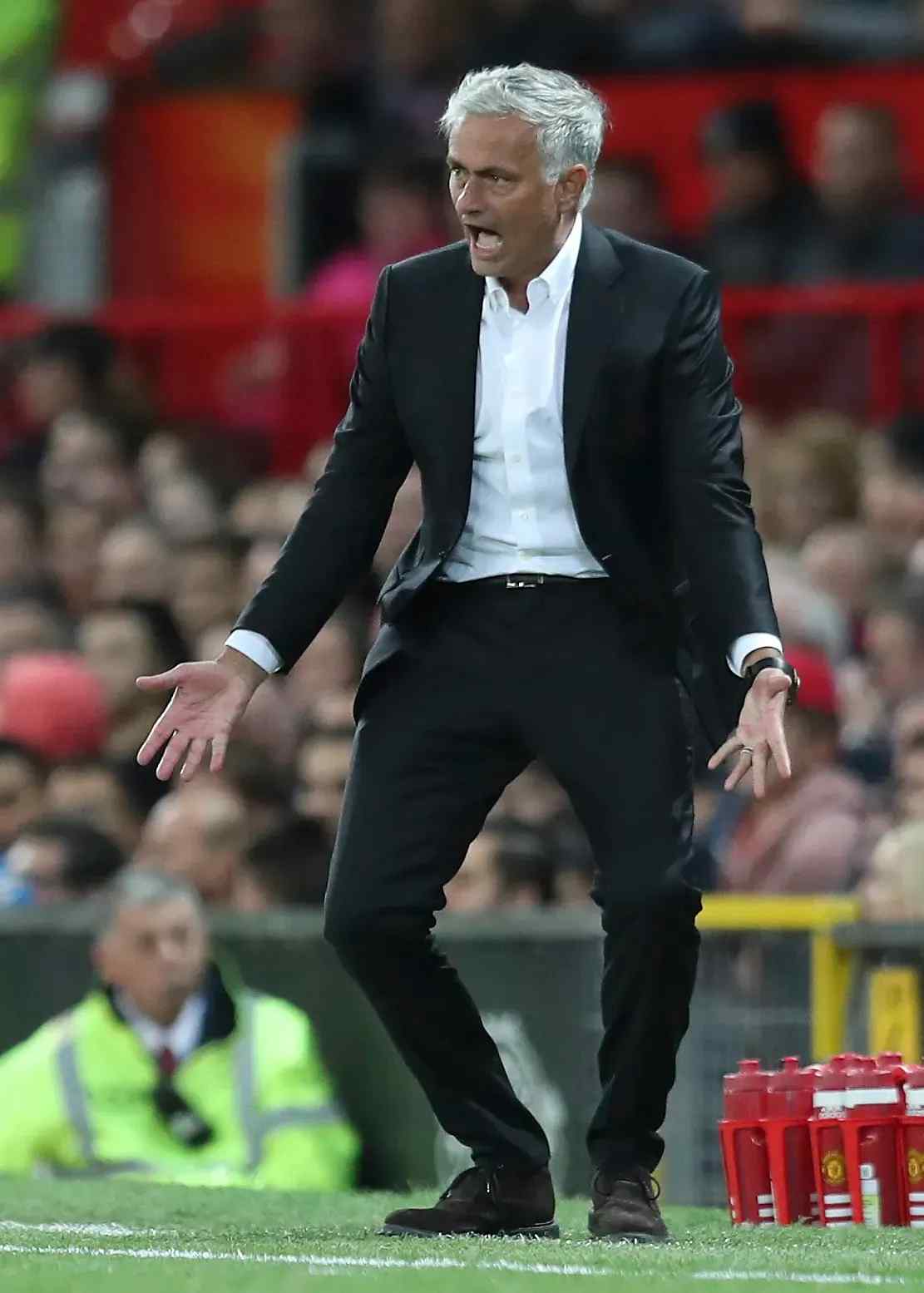
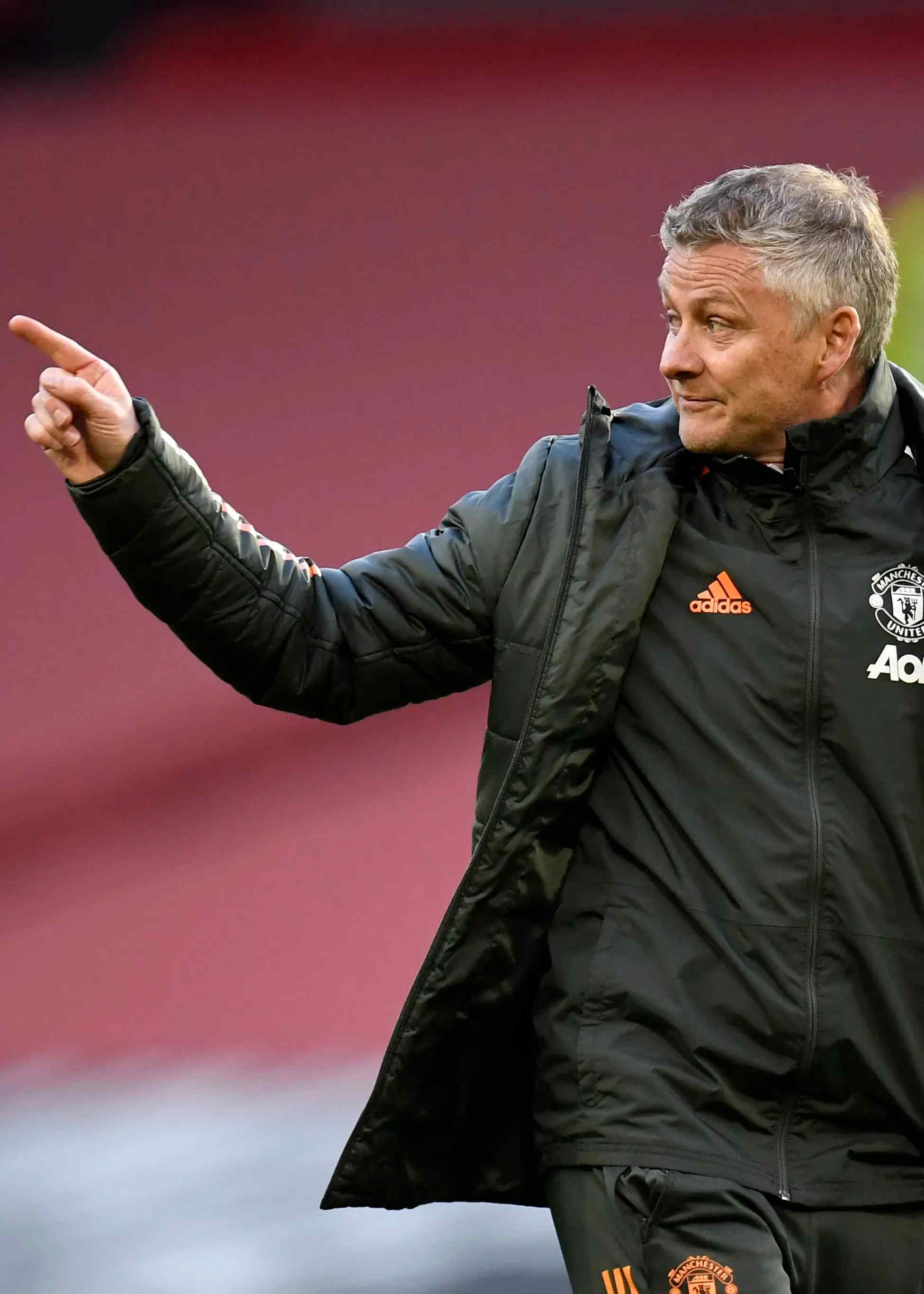
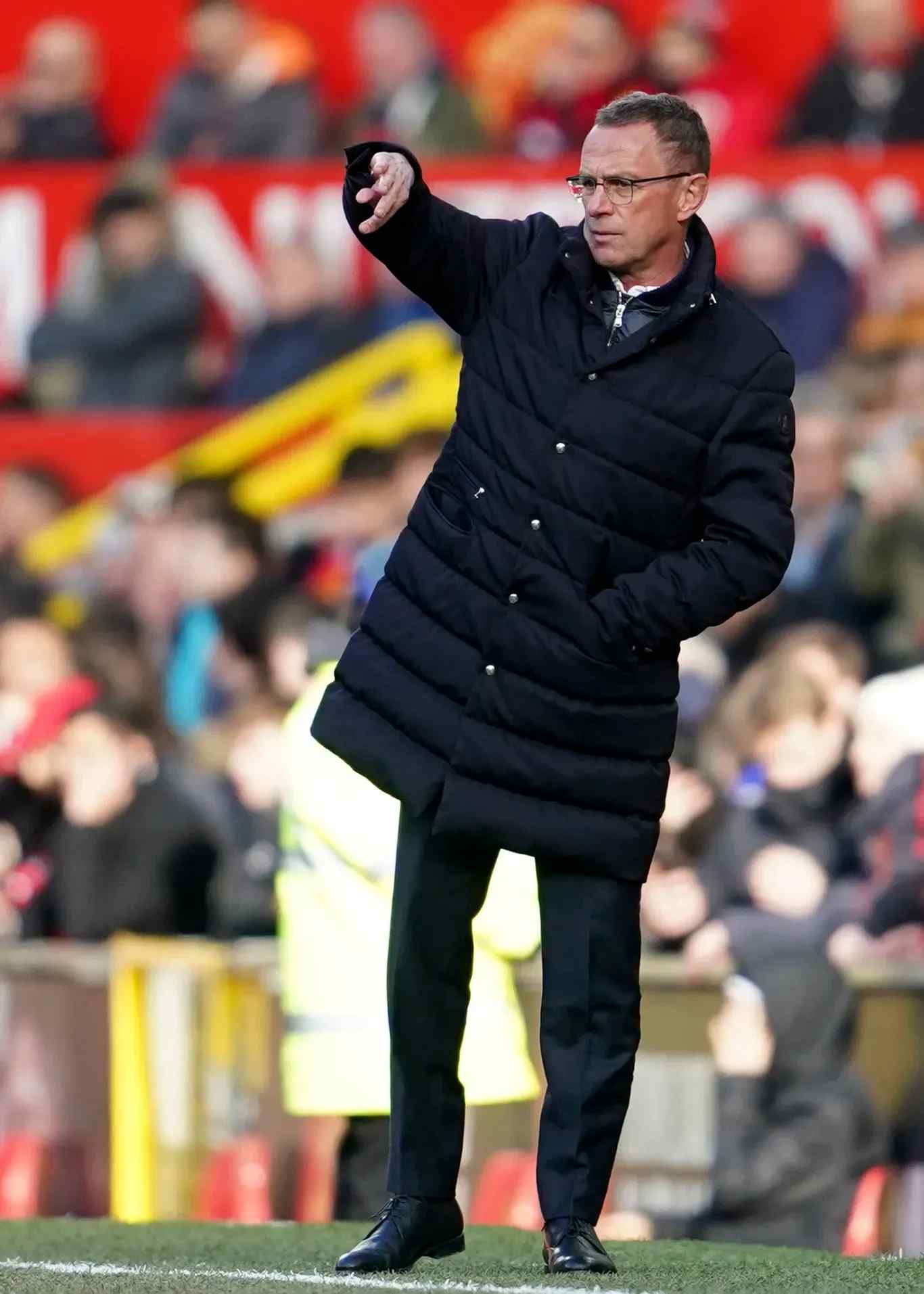
Since Mourinho arrived in 2016, try finding the thread from one appointment to the next. There really isn’t one. The Red Devils went from Mourinho’s experience to Solskjær and the old United connection, then chased a very different idea with Ten Hag before handing Amorim a squad that never looked entirely built for his back three. Carrick is the fifth permanent hire, and even getting here took interim spells from him, Ralf Rangnick, Ruud van Nistelrooy and Darren Fletcher.
Manchester United Managers After Sir Alex Ferguson
| Era | Best league outcome | Major cup outcome | Exit or status |
|---|---|---|---|
| José Mourinho, 2016–18 | 2nd, 2017/18 | 2017 League Cup and Europa League | Sacked in December 2018 |
| Ole Gunnar Solskjaer, 2018–21 | 2nd, 2020/21 | 2021 Europa League runner-up | Sacked in November 2021 |
| Ralf Rangnick, 2021–22, interim | 6th | No final | Interim term ended |
| Erik ten Hag, 2022–24 | 3rd, 2022/23 | 2023 League Cup; 2024 FA Cup | Sacked in October 2024 |
| Ruben Amorim, 2024–26 | 15th in 2024/25; left 6th | 2025 Europa League runner-up | Sacked in January 2026 |
| Michael Carrick, 2026– | 3rd, 2025/26 after taking over in January | — | Under contract through 2028 |
I keep coming back to the same thing with United. You can change the manager, fine. But if the next guy walks into a squad built for three different ideas, what exactly are you expecting? If there’s going to be any real progress, I’m with Gary Neville on this one: “the experiments have got to stop.”
Ten years, nearly £2 billion
I wanted to put some proper numbers on all this, so I went back through United’s audited accounts and totaled the player registration spend from 2016 through 2025. Reported transfer fees can get all over the place once add-ons and estimates enter the picture, so I stuck with what the club reported each year under the same accounting rules. That comes to £1.98 billion, or about £198 million annually.
Manchester United Player Registration Spend Over 10 Years
| Fiscal year ending June | Registration additions |
|---|---|
| 2016 | £167.1 million |
| 2017 | £205.1 million |
| 2018 | £243.2 million |
| 2019 | £103.3 million |
| 2020 | £182.9 million |
| 2021 | £115.7 million |
| 2022 | £151.6 million |
| 2023 | £247.4 million |
| 2024 | £220.7 million |
| 2025 | £343.0 million |
| Ten-year total | £1.980 billion |
There’s a bit of accounting language to get through here. “Registrations” covers the transfer fee, agents, the Premier League levy, likely add-ons and some staff costs, so this isn’t the same as cash out the door or net spend after sales. But even on that basis, 2025 jumps off the page. United booked £343 million of new registration value, finished 15th and lost the Europa League final, while another £36.6 million went on exceptional costs tied partly to Ten Hag’s exit and staff changes. They were funding one rebuild while paying to dismantle the last one.
United spent big and kept starting over
CIES tracked published transfer spending from 2015 through 2024 and put Man Utd at €1.95 billion (£1.67 billion), basically level with Manchester City. Arsenal spent about £479 million less over the same period. Liverpool were £608 million back. Then you get to net balance, and United are bottom of the pile at minus €1.30 billion. So the financial firepower was there; the question was what United actually got:
- Pogba cost £89 million and, at his best, could take over a game. He was part of Man U sides that won Europa League and League Cup. Lukaku’s 42 goals in 96 matches was a solid return too, even if the move never settled into something bigger. Neither became the player United could build a title-winning side around.
- Harry Maguire has passed 250 appearances and played for United sides that won the League Cup and FA Cup.
- The misses really started piling up later. United paid £73 million for Jadon Sancho and £85 million for Antony. What came back? Twelve goals across 83 appearances from Sancho, with the Brazilian matching that total over 96 games. Rasmus Højlund at least gave them a season. He led the club, scoring 16 goals in his first year, but his United run still ended at 26 in 95 before a permanent move to Napoli.
City spent about the same amount and won six league titles during the Red Devils’ lost decade. Arsenal and Liverpool managed three between them for less. At United, a big signing would arrive and then, well, give it a year. Maybe the manager was gone, or the player had moved somewhere else on the field. They put enough money into the squad to assemble a great side several times over, yet somehow never seemed to be building the same one for very long.
Will this year finally be different? Stay tuned.
Table Sources:
- Manchester United plc 2017 Form 20-F — FY2016 additions £167.089m; FY2017 £205.091m; accounting context.
- Manchester United plc 2019 Form 20-F — FY2018 additions £243.182m; FY2019 £103.326m; registration-cost definition.
- Manchester United plc 2021 Form 20-F — FY2020 additions £182.936m; FY2021 £115.725m.
- Manchester United plc 2023 Form 20-F — FY2022 additions £151.564m; FY2023 £247.355m.
- Manchester United plc 2025 Form 20-F — FY2024 additions £220.728m; FY2025 £342.960m; £36.6m exceptional costs; 15th-place finish; registration-cost definition; ownership transaction.
More Articles like this
Does a 4-0 NFL Start Mean You're Playoff Bound?
A 4-0 start can put your team on the fast track to the playoffs, but history shows that even Super Bowl champions don't always start strong.
By Marcus Mosher
The 8 Greatest Sports Movies Ever Made, Ranked
Rocky isn't No. 1 by default. We ranked the eight greatest sports movies ever made, from a boxing warhorse to a table tennis fever dream, weighing critical scores against what actually stuck.
By Cole Rush
Which Sports Punish Losing Teams the Most?
From a punishing relegation to first draft pick optimism, discover which sporting leagues have the highest penalties for a losing season and those that feel comparatively lenient.
By Stuart Hughes
MLB Playoff Byes Aren't the Advantage You Might Think
Since baseball went to its current 12-team playoff format, the results show that bye teams only hold a slight Division Series advantage over Wild Card winners.

By Bill Gelman
McKenna, Martone Lead 5 NHL Rookies to Watch
Gavin McKenna and Porter Martone enter as the favorites, but a deep 2026-27 rookie class gives the Calder Trophy race plenty of potential challengers.
By Bill Gelman
Parlaymint Wants to Turn Parlays Into a Team Sport
Parlaymint turns the group parlay into a social sport, giving every bettor one pick, a share of the payout and potentially the entire bill if their leg is the only one that loses.

By Charlon Muscat