
Six Cinderella Stories That Shocked the Sports World
Zheng Qinwen’s improbable US Open run showed why we love an underdog. These six Cinderella stories pushed the impossible even further.

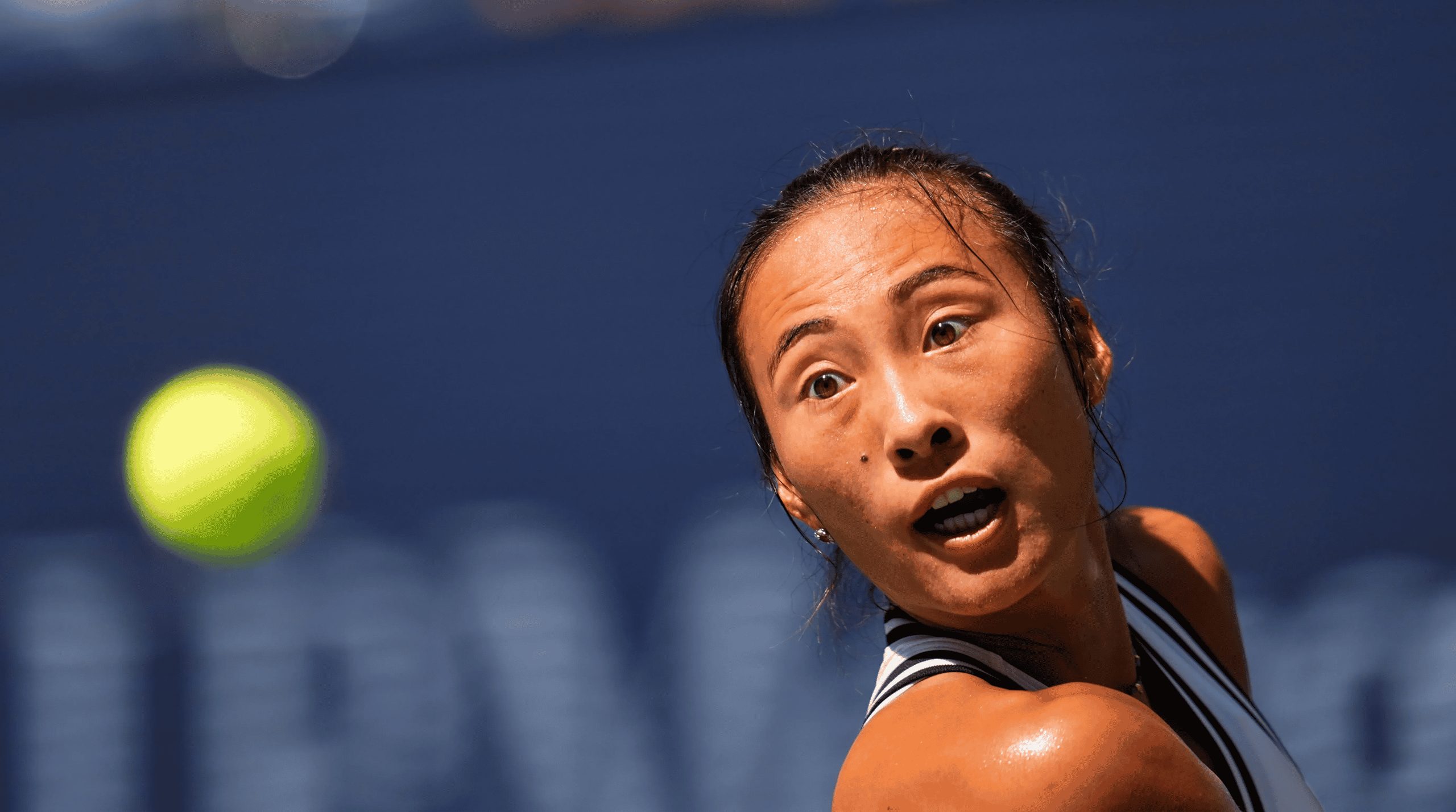
The 2026 US Open somehow had an Olympic champion stuck in qualifying. Zheng Qinwen, once ranked fourth in the world, had tumbled 117 places to 121st after chronic elbow trouble and surgery, meaning three matches stood between her and the main draw. As many top tennis betting sites had expected, Zheng cruised through the preliminary fixtures, dropping just one set in the process.
What caught the attention of fans following the summertime sports calendar was the way Zheng kept digging herself out of near-certain defeat once the opposition got tougher.
Against Madison Keys, the Chinese star trailed 5-0 in the deciding set and even had to save match point before, seemingly out of nowhere, reeling off seven straight games. Two days later, Iga Swiatek jumped out to another 5-0 lead, this time in the opening set. Zheng answered with seven straight games again, then closed out the six-time major champion 7-5, 6-3. Seven wins in New York put her into the quarterfinals, making her the first qualifier to reach that stage since Emma Raducanu in 2021.
Watching Zheng pull off one improbable comeback after another gave me the same goosebumps I remember from Leicester City’s fairytale 2015-16 Premier League title season. Next thing I knew, I was digging through world sports history for the greatest Cinderella stories ever, the kind that made neutrals everywhere pick a side and care like they’d been there from day one.
6. Saint Peter’s, 2022 NCAA tournament
Saint Peter’s came into the 2022 NCAA tournament as a 15th seed after knocking off Fairfield, Quinnipiac, and Monmouth in four days. This was the Peacocks’ first trip back to college basketball’s biggest stage since 2011, and they arrived having never won a March Madness game.
Out of nowhere, the tiny Jersey City school beat second-seeded Kentucky, an 18.5-point favorite, 85-79 in overtime. Then came a 70-60 win over Murray State, followed by a 67-64 grinder against third-seeded Purdue.
Hubert Davis’ North Carolina finally ended the story 69-49 in the Elite Eight, but the attention kept snowballing afterward. Donations from March 9 through 26 topped $2.3 million, compared with $475,000 over the same stretch a year earlier.
5. New York Mets, 1969 World Series
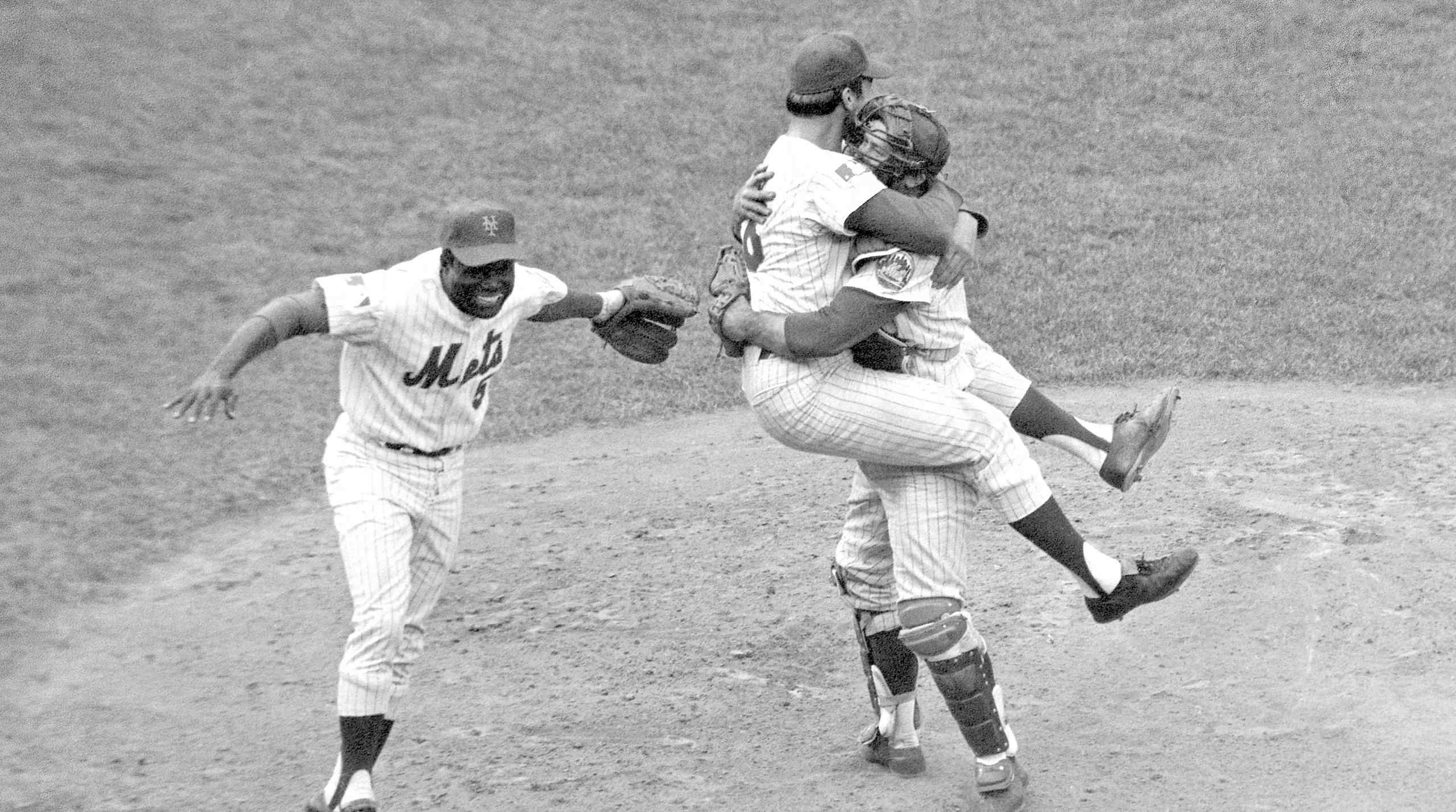
Seven losing seasons into existence, the Mets were baseball’s favorite punchline. Casey Stengel had seen enough during their 120-loss debut in 1962 to ask, ‘Can’t anybody here play this game?’ By 1969, the joke was about to turn on everyone else.
Las Vegas priced them at 100-to-1 to win the World Series, and in mid-August, New York was still 10 games behind division-leading Chicago. From there, Tom Seaver and company tore through the schedule at 38-11 and finished with 100 wins, then swept Atlanta for the pennant.
Up next in October was Baltimore, fresh off a 109-win regular season. They took the opener, but the Series started tilting in Game 2 when Jerry Koosman carried a no-hitter into the seventh and New York evened things up. Back at Shea, the Mets kept stealing outs, first through Tommie Agee in center and later on Ron Swoboda’s diving grab, before Cleon Jones helped spark the Game 5 comeback that capped four straight wins and made New York the first expansion team ever to win a World Series.
➡️ The Mets started 2026 respectably before sliding out of contention. See how our five MLB regression calls from May have held up.
4. Greece, Euro 2004
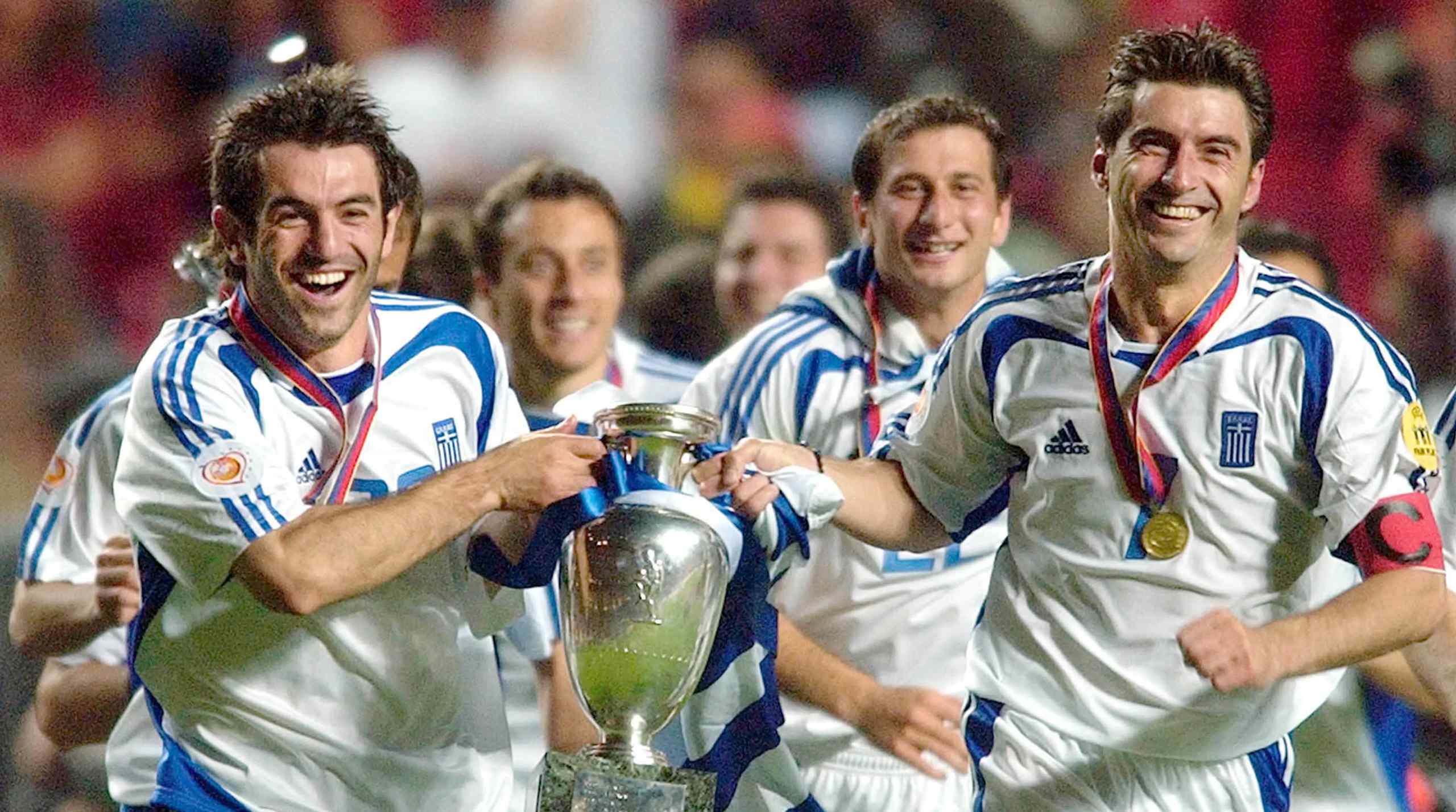
Greece won EURO 2004 as +8000 long shots. Before the opener, goalkeeper Antonis Nikopolidis remembered telling Giorgos Karagounis, "Let’s go and get Greece’s first win in a major finals." They beat host Portugal 2-1, conceding only a 93rd-minute Cristiano Ronaldo header, his first goal for Portugal and just the 12th senior strike of a career now chasing 1,000. Spain came next, and they ground out a 1-1 draw, only to go two goals down against Russia inside 17 minutes. Zisis Vryzas pulled one back late in the first half, and although the game still ended 2-1, that strike proved decisive, sending them through ahead of Spain on total goals scored.
Otto Rehhagel’s team became a nightmare to break down from there, knocking out defending champion France, then sending unbeaten Czech Republic home on Traianos Dellas’ extra-time header. Portugal was waiting again in the final, where Angelos Charisteas headed in the winner close to the hour mark.
Looking back on the triumph with UEFA 16 years later, the reigning Bundesliga and DFB-Pokal winner said, “When we scored, you had the feeling there was no chance we were going to lose.” He remembered the sacrifice everywhere on the field, even having to track Cristiano Ronaldo himself, adding, “You have to make sacrifices for such a huge footballing miracle to take place.”
3. Emma Raducanu, 2021 US Open
Emma Raducanu was still nearly a year away from breaking into the world’s top 10 when she arrived at the 2021 US Open ranked 150th, just 18 and making her second Grand Slam main draw appearance.
What came next became the path Zheng would try to follow five years later, as Raducanu won all three in qualifying and seven more once the tournament proper began, all without surrendering a single set. Olympic champion Belinda Bencic fell in the quarterfinals, followed by Maria Sakkari in the semis. Raducanu then beat fellow teenager Leylah Fernandez 6-4, 6-3 for the title. She became the first qualifier ever to capture a major singles crown.
2. United States, 1980 Olympic hockey
Three days before opening Olympic play in Lake Placid, the Soviets had humiliated the United States 10-3. Herb Brooks was working with players like Mike Eruzione, Jim Craig, Mark Johnson, Dave Christian, and Ken Morrow, drawn largely from the college ranks and recent graduates. Safe to say, nobody had them near the top of the intimidation chart.
At the Games, the Americans opened with a tie and followed it with four straight wins in pool play. Up next was the medal round, essentially a four-team round-robin where preliminary results against fellow qualifiers carried over, and the final standings decided gold, silver, and bronze. The rematch with the Soviets had them down 3-2 entering the third, where a power-play equalizer flipped the game. An 81-second burst finished with a wrist shot from the slot that beat Vladimir Myshkin blocker-side for the 4-3 lead.
For the Cinderella story to get its happy ending, Herb Brooks and his men still had Finland to beat. The third period opened with the US trailing 2-1, but three unanswered goals flipped it into a 4-2 win and Olympic gold.
1. Leicester City, 2015–16 Premier League
Maybe riding every twist and turn of that season has something to do with it; perhaps my love for English soccer does too, but the greatest Cinderella story in my book belongs to Leicester City FC.
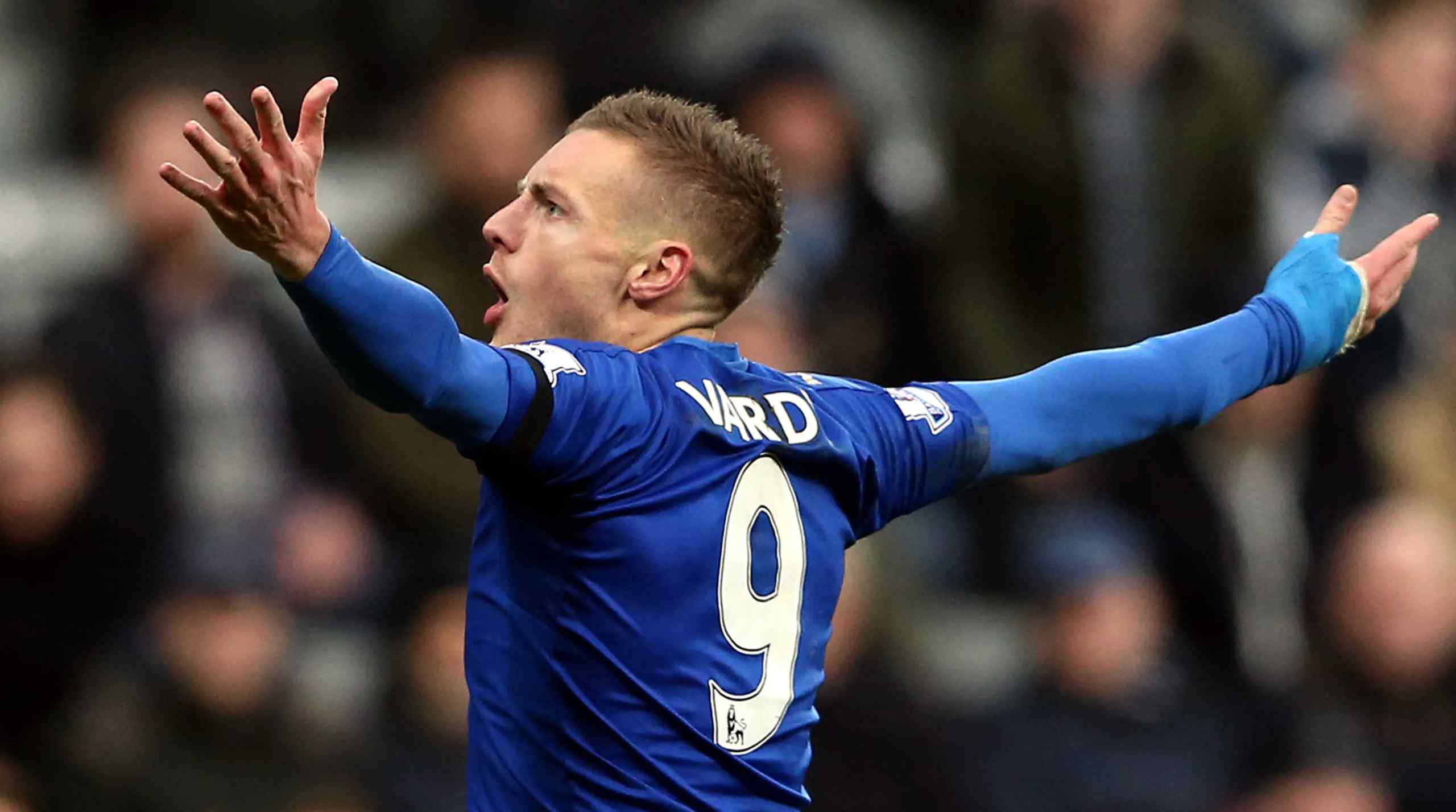
Most soccer betting sites saw Leicester as massive outsiders, with 5,000-to-1 odds on the title. Italian coach Claudio Ranieri had just replaced Nigel Pearson, but otherwise this was largely the same core of Jamie Vardy, Riyad Mahrez, Kasper Schmeichel, Wes Morgan, Danny Drinkwater, and Marc Albrighton that had narrowly escaped relegation. The key additions were N’Golo Kanté from Caen, plus Shinji Okazaki and Christian Fuchs.
What makes it even crazier is that the Premier League gives you none of the knockout-bracket protection MLS does. Leicester had to be brilliant across an entire 38-game campaign. They found ways to get results even on afternoons when the other side looked better. The final line read 23-12-3 for 81 points, ten clear of second-place Arsenal, with the title already clinched two games from the finish.
Cinderella story odds: How big were the upsets?
To put some perspective on how unlikely these Cinderella stories were, I pulled the odds on every one and compared them with the favorite before the competition started. The table below shows what a $100 bet on each would have returned.
| Cinderella Story | Cinderella Odds | Pre-Event Favorite | Favorite Odds | $100 Bet Return: Cinderella vs. Favorite |
|---|---|---|---|---|
| Saint Peter’s, 2022 NCAA tournament | +100000 | Gonzaga | +350 | $100,100 vs. $450 |
| New York Mets, 1969 World Series | +10000 | Baltimore Orioles | +160 | $10,100 vs. $260 |
| Greece, EURO 2004 | +8000 | France | +300 | $8,100 vs. $400 |
| Emma Raducanu, 2021 US Open | +8000 | Ashleigh Barty | +375 | $8,100 vs. $475 |
| United States, 1980 Olympic hockey | +100000* | Soviet Union | -450* | $100,100 vs. $122.22 |
| Leicester City, 2015–16 Premier League | +500000 | Chelsea | +163 | $500,100 vs. $263 |
*Estimated historical odds based on later statistical reconstruction
Charlon Muscat is an established iGaming expert who entered the space in 2019 and went on to build a name across both casino and sportsbook content.
More Articles like this
Is This the Biggest Acquisition Era in Sports Betting History?
Sportsbooks, prediction markets, and sweepstakes apps are fighting for the same customers. We compared 11 welcome offers to see who's offering the biggest incentives.

By Cole Rush
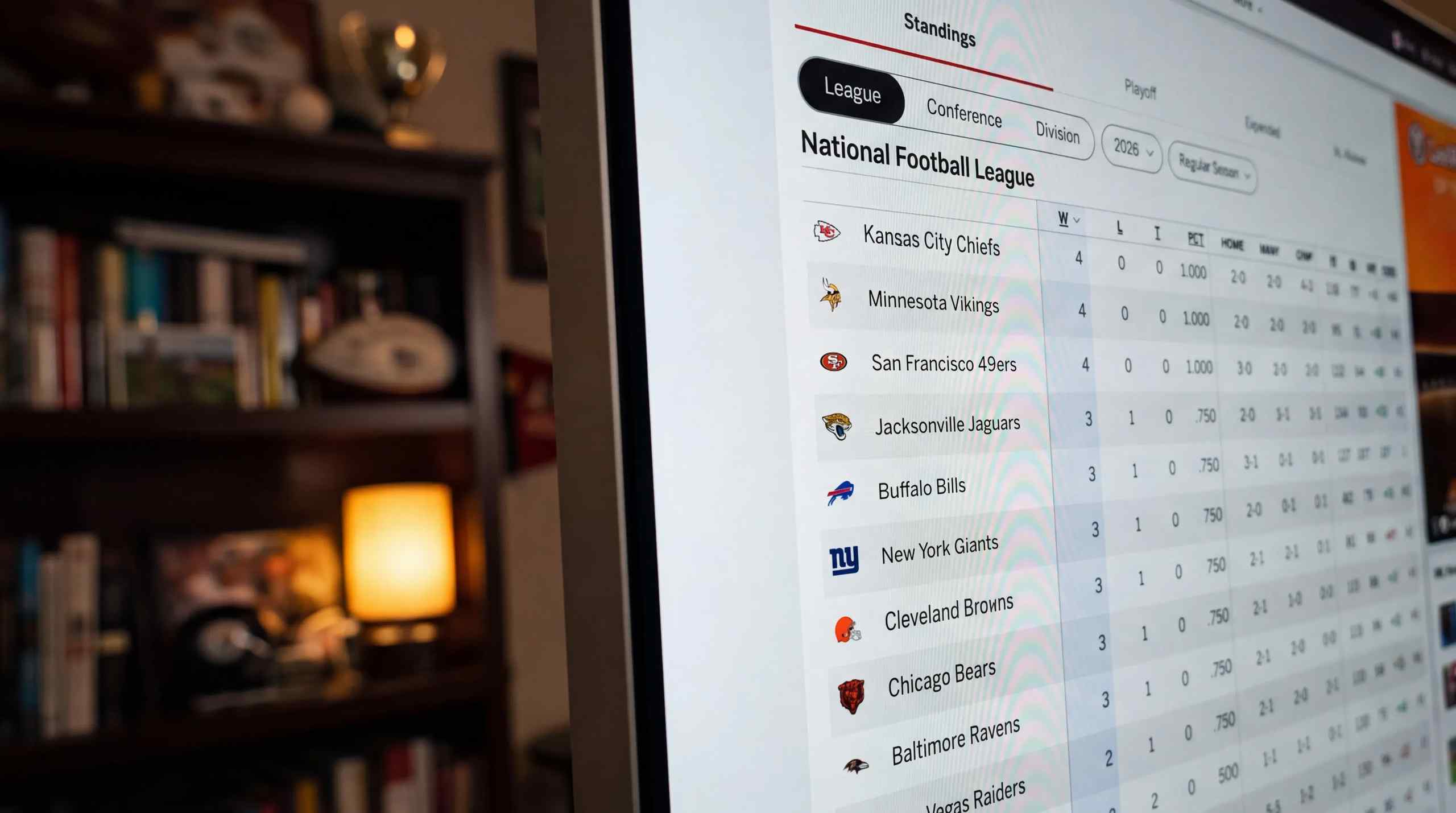
Does a 4-0 NFL Start Mean You're Playoff Bound?
A 4-0 start can put your team on the fast track to the playoffs, but history shows that even Super Bowl champions don't always start strong.
By Marcus Mosher
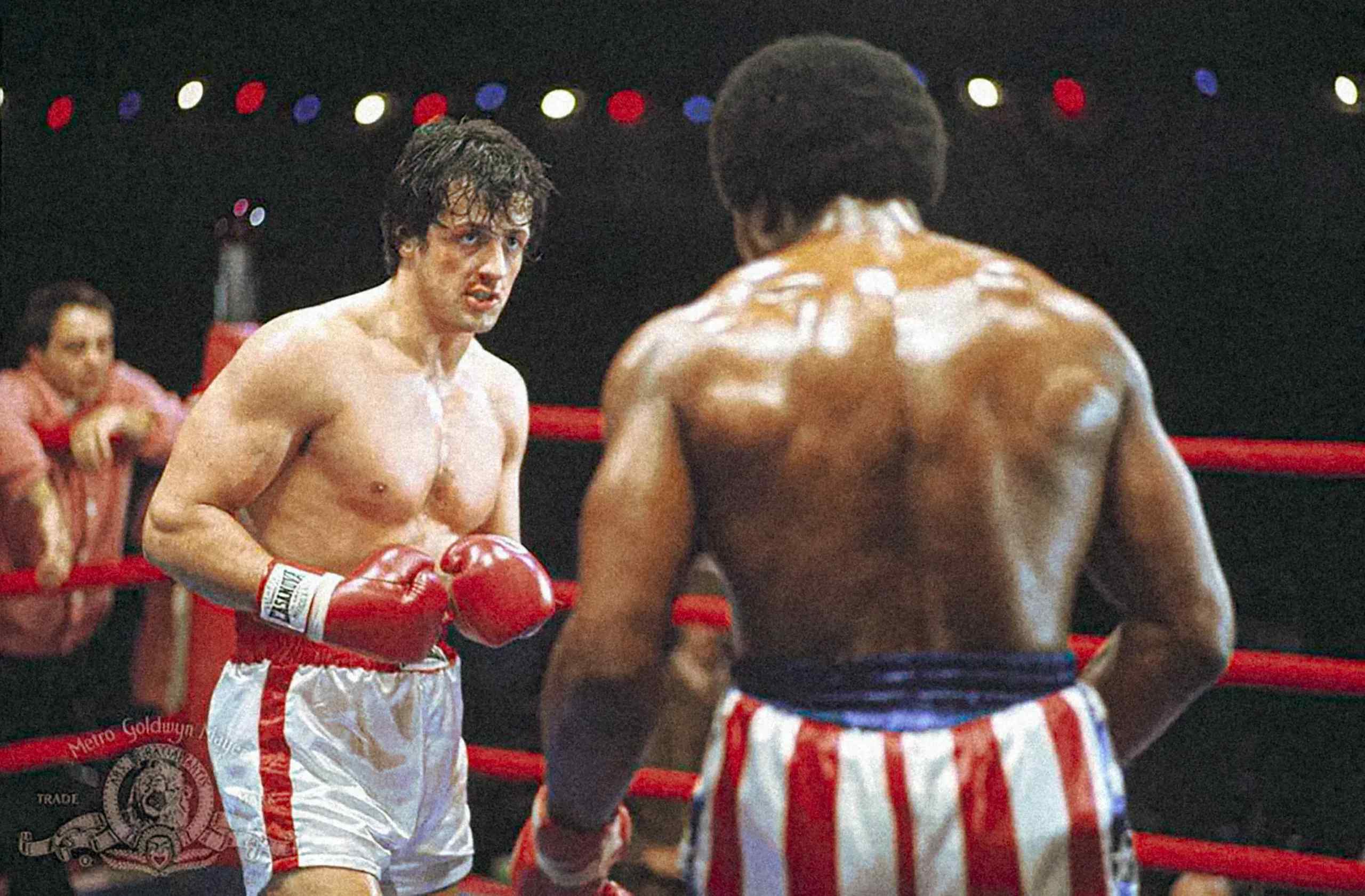
The 8 Greatest Sports Movies Ever Made, Ranked
Rocky isn't No. 1 by default. We ranked the eight greatest sports movies ever made, from a boxing warhorse to a table tennis fever dream, weighing critical scores against what actually stuck.
By Cole Rush
Which Sports Punish Losing Teams the Most?
From a punishing relegation to first draft pick optimism, discover which sporting leagues have the highest penalties for a losing season and those that feel comparatively lenient.
By Stuart Hughes
MLB Playoff Byes Aren't the Advantage You Might Think
Since baseball went to its current 12-team playoff format, the results show that bye teams only hold a slight Division Series advantage over Wild Card winners.

By Bill Gelman
McKenna, Martone Lead 5 NHL Rookies to Watch
Gavin McKenna and Porter Martone enter as the favorites, but a deep 2026-27 rookie class gives the Calder Trophy race plenty of potential challengers.
By Bill Gelman