

Office Pools, Fantasy Sports: Is Everyone Secretly Gambling?
Your March Madness bracket and a sportsbook parlay aren't the same animal, but they're closer cousins than you think. We break down where office pools end and “real” gambling begins, and why the line matters more than the vibe.
%20(1).webp)
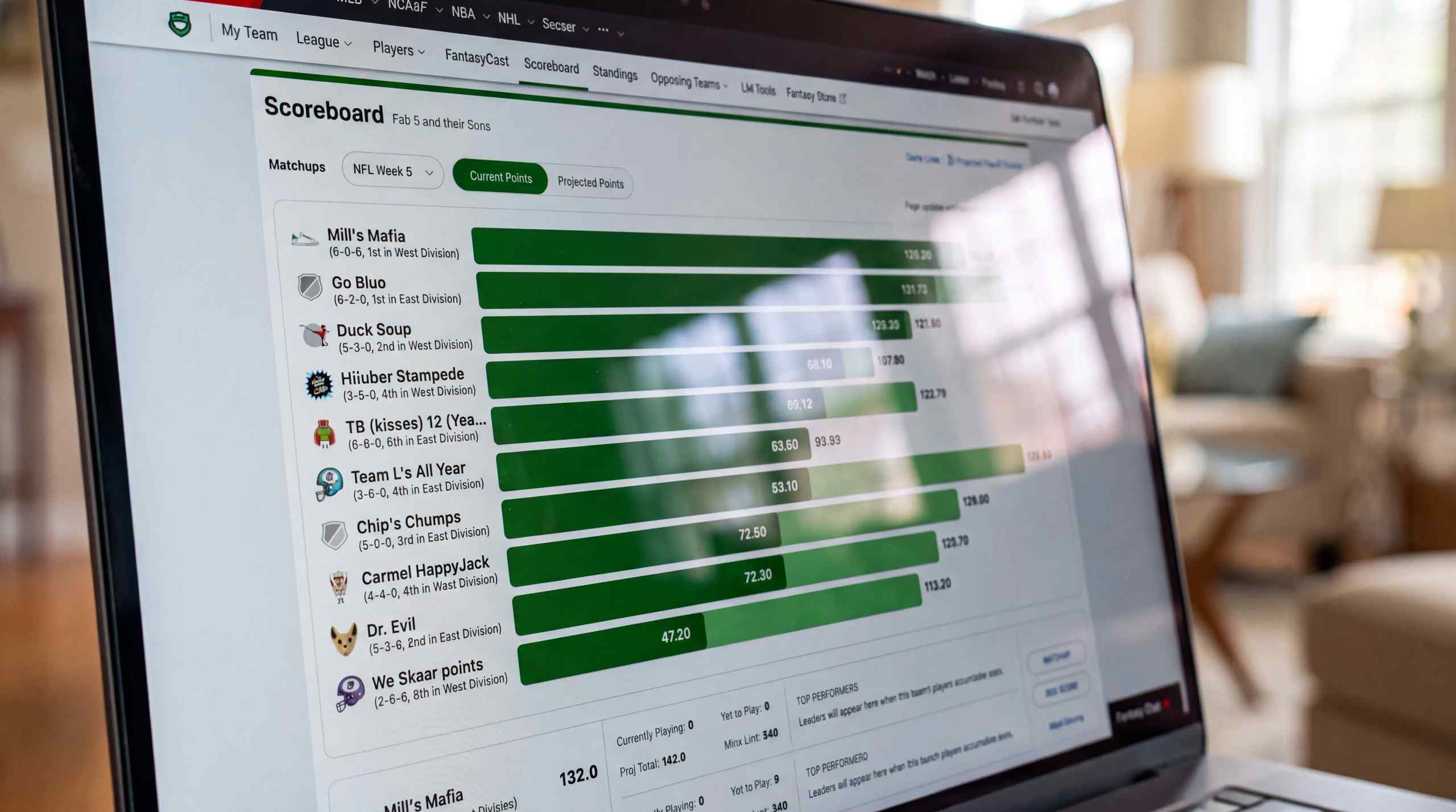
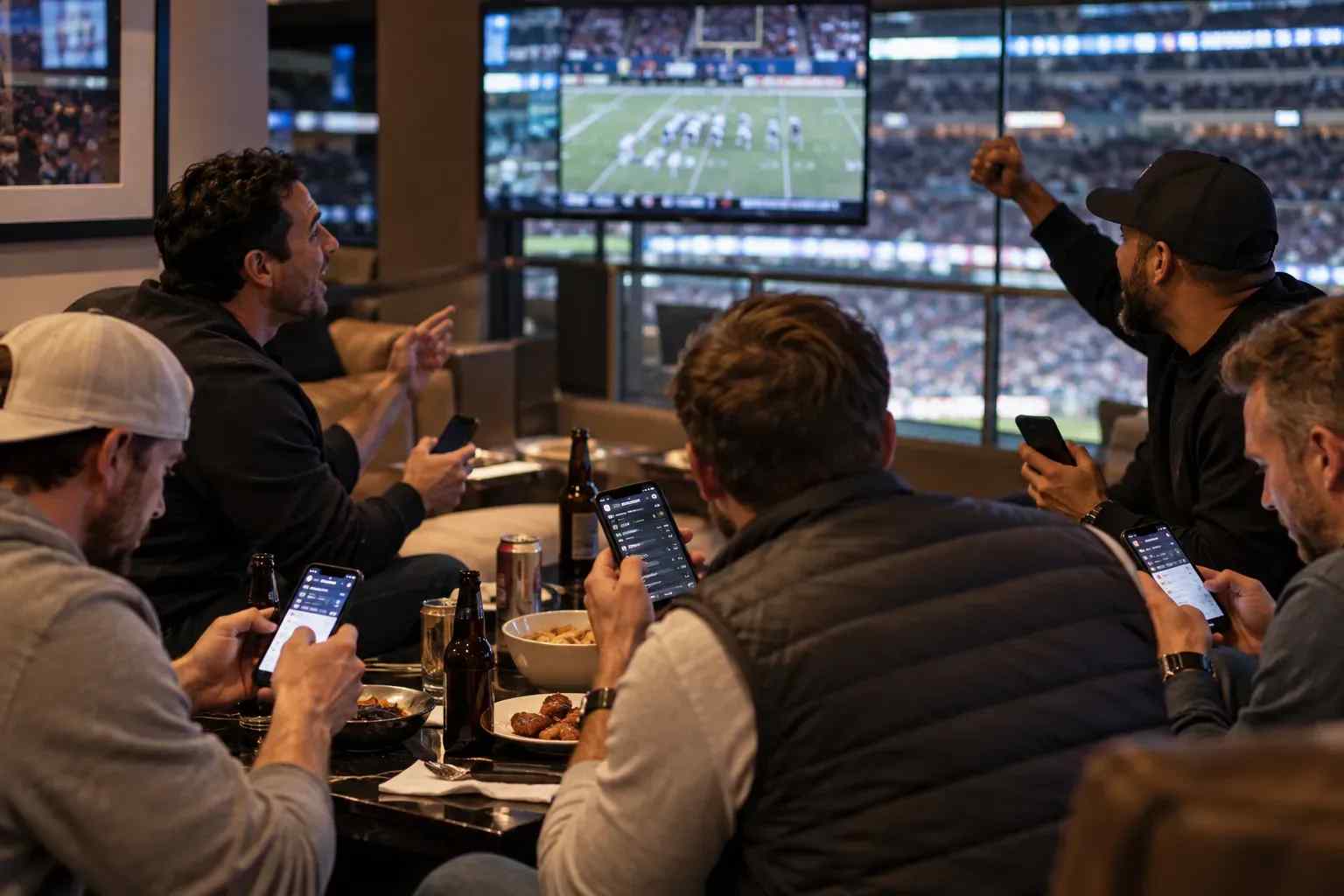
Sports betting, online casinos, and prediction markets are constantly making headlines. It makes sense; they’re big businesses with a ton of money to spend on advertisements and media. But there’s a layer of gambling separate from those “traditional” forms. Call it casual betting or social betting. I’m talking about Super Bowl Squares games, fantasy leagues, office World Cup pools, or even home poker games.
Are these things gambling? Almost undeniably, yes, but they seem to occupy a different space in the collective gambling consciousness. Why, and should we pay more attention? Let’s dive in.
What Counts as Casual or Social Betting?
Set aside full-fledged sportsbooks, online casinos, even DFS contests or Pick’ems. Prediction markets, too. Those are all firmly under the umbrella of “traditional” gambling, which I put in quotes because it’s a nebulous term. Simply put, those are large, institutionalized forms of gambling with strict regulations governing them.
Social or casual betting can run the gamut from a friendly bet on the golf course to a bona fide fantasy league with real stakes. Examples:
- Bracket pools (March Madness, college football playoffs, etc.)
- Squares games
- Paid fantasy leagues
- Friendly side bets (e.g., golf course games)
- Confidence pools and survivor leagues
Others exist, but these are some of the most common casual betting formats.
Casual/Social Betting vs. Traditional Gambling: How They Compare
Here’s a quick look at the comparison before we dive deeper.
| Feature | Casual Betting | Traditional Gambling |
|---|---|---|
| Stakes | Typically small, capped by group | Scalable, often unlimited |
| House cut | None, peer to peer | Built-in edge or hold |
| Setting | Social, tied to a shared event | Solitary or app-based, repeatable |
| Legal status | Often technically illegal, rarely enforced | Regulated and licensed |
| Behavioral design | Minimal | Heavily engineered (notifications, parlays, bonuses) |
The Similarities
These systems of betting overlap in many ways. First, there’s the obvious: uncertain outcomes are involved, and money is attached to them. The core definition of betting doesn’t change, but the format does.
The psychological hooks and emotions are very real in both sectors, though. Variable rewards, near-misses (losing the bracket based on the championship game outcome), the dopamine hit from an incredible catch snagging your receiver enough points to win and make the playoffs.
In some cases, sunk cost and subsequent escalation come into play. I know of a few NFL survivor leagues that offer a back-up mini-fantasy pool for early losers. The gameplay is fundamentally different, but the essence of gambling remains.
There’s also a legal wrinkle worth flagging: plenty of jurisdictions don’t care how folksy the pool feels. Cross a certain dollar threshold or structure it a certain way, and it’s gambling in the eyes of the law, office bracket or not (but more on that later).

The Differences
Then there’s the more cultural spin. A fantasy league with friends or an office March Madness pool feels different than plopping a few bucks on the Bears moneyline. The social betting angle lives up to its name, especially when you’re playing/betting against friends instead of a mysterious “house.”
That’s not just a vibe thing, either. In most informal pools, there’s no house skimming a cut. Money just moves from one friend’s Venmo to another’s. Compare that to a sportsbook, where the operator’s take is baked into every line before you even place the bet.
The stakes are also tied to something bigger than the bet itself. A shared event, a group identity, bragging rights in the group chat. That’s a different beast than a solitary, repeatable action like feeding a slot machine or firing off same-game parlays alone on your couch.
Finally, there’s the difference in cost. My guess (not a researched number, so grain of salt and all that) is the vast majority of fantasy leagues and similar pools have entry fees between $10 and $100. They’re casual and low-stakes almost by definition. Traditional gambling formats can exist in that space, too, but they also have more developed systems for keeping you involved past that first (or second, or third) bet.
That’s the real gap. A sportsbook app is engineered to keep nudging: push notifications when a line moves, parlay suggestions built to feel like value, algorithms quietly steering you toward bigger and riskier bets. Your fantasy league commissioner isn’t A/B testing reminder emails to get you to double your buy-in.
Are There Legal Concerns With Casual Betting?
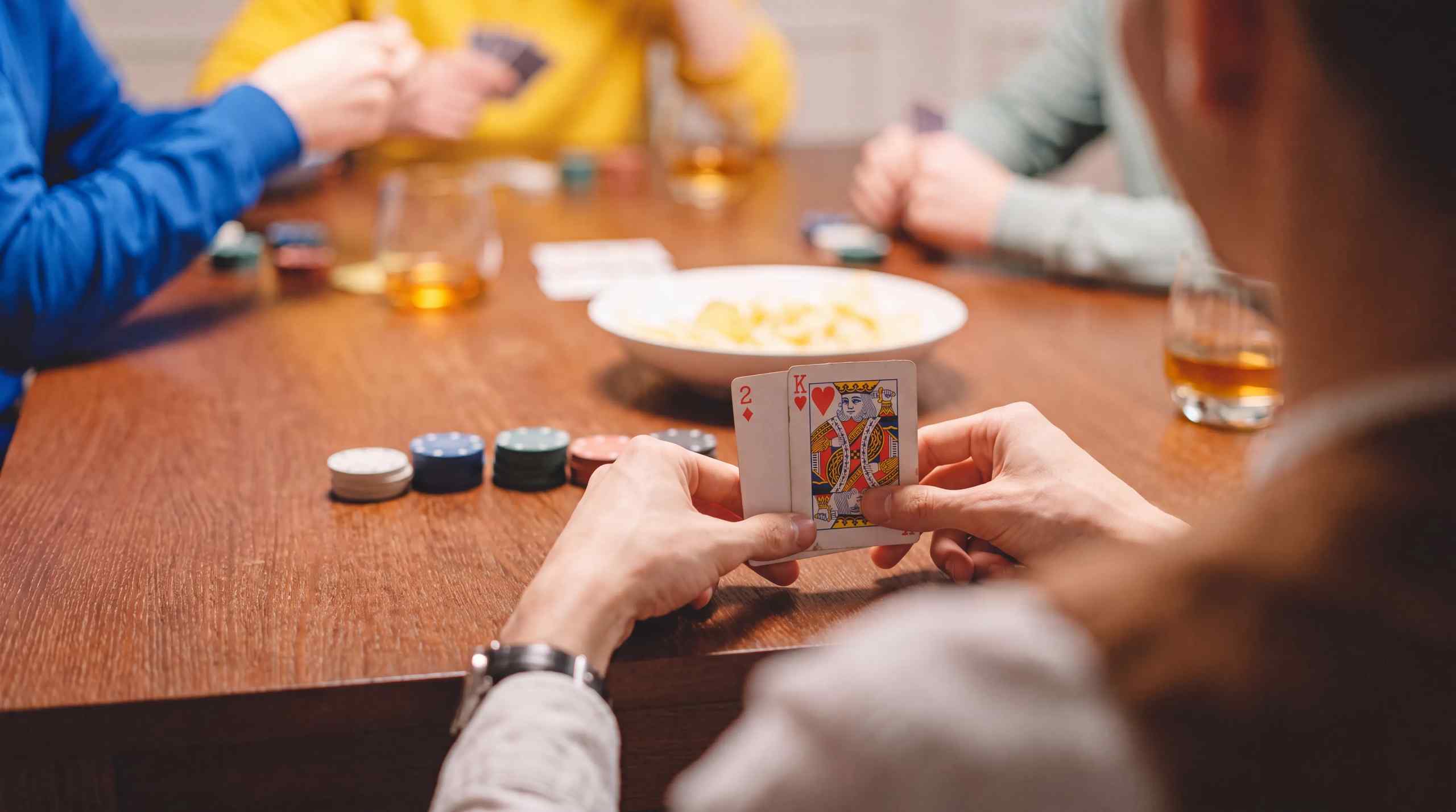
That depends. Are you running Tony Soprano-style poker games with heavy hitters, stacked with armed bodyguards and playing with millions? If so, then yes, I think you have a lot to be concerned about.
The reality is thankfully much softer. Many U.S. states will technically classify unlicensed pools as illegal gambling if they involve a certain amount of money. That “technically” is doing a lot of work for us here. These policies are rarely enforced unless, like in the example above, there is a lot of shady business surrounding the activity. I won’t say it’s impossible, but running fantasy leagues and office pools is highly unlikely to get you in trouble, especially when modest sums are involved.
Why It Matters
Here’s where a different writer might take a logical leap and ask whether these formats are “gateways” to other betting. I think it’s far more nuanced than that. Most of my friends who play in fantasy leagues are also sports bettors. People who don’t participate in pools or fantasy leagues are likely to be inundated with advertisements for betting regardless. Once again, I say it’s not impossible, but I think it’s worth sifting through the nitty-gritty.
Instead of focusing on casual and social betting formats as gateways, I would encourage participants to check in with themselves in those formats. Are they fun, or do they feel like work? Does it make you happy to bet with friends, or is it irritating? These check-ins and similar ones can help you identify whether the social betting is having negative effects on you in and of itself, and not in relation to other forms of gambling.
Cole Rush is a freelance writer, crossword constructor, and creative tinkerer with more than 10 years of experience writing about anything and everything. Cole’s primary area of expertise is the gambling industry, covering the expansion of sportsbooks and online casinos alongside emerging spaces like sweepstakes casinos and prediction markets.
More Articles like this
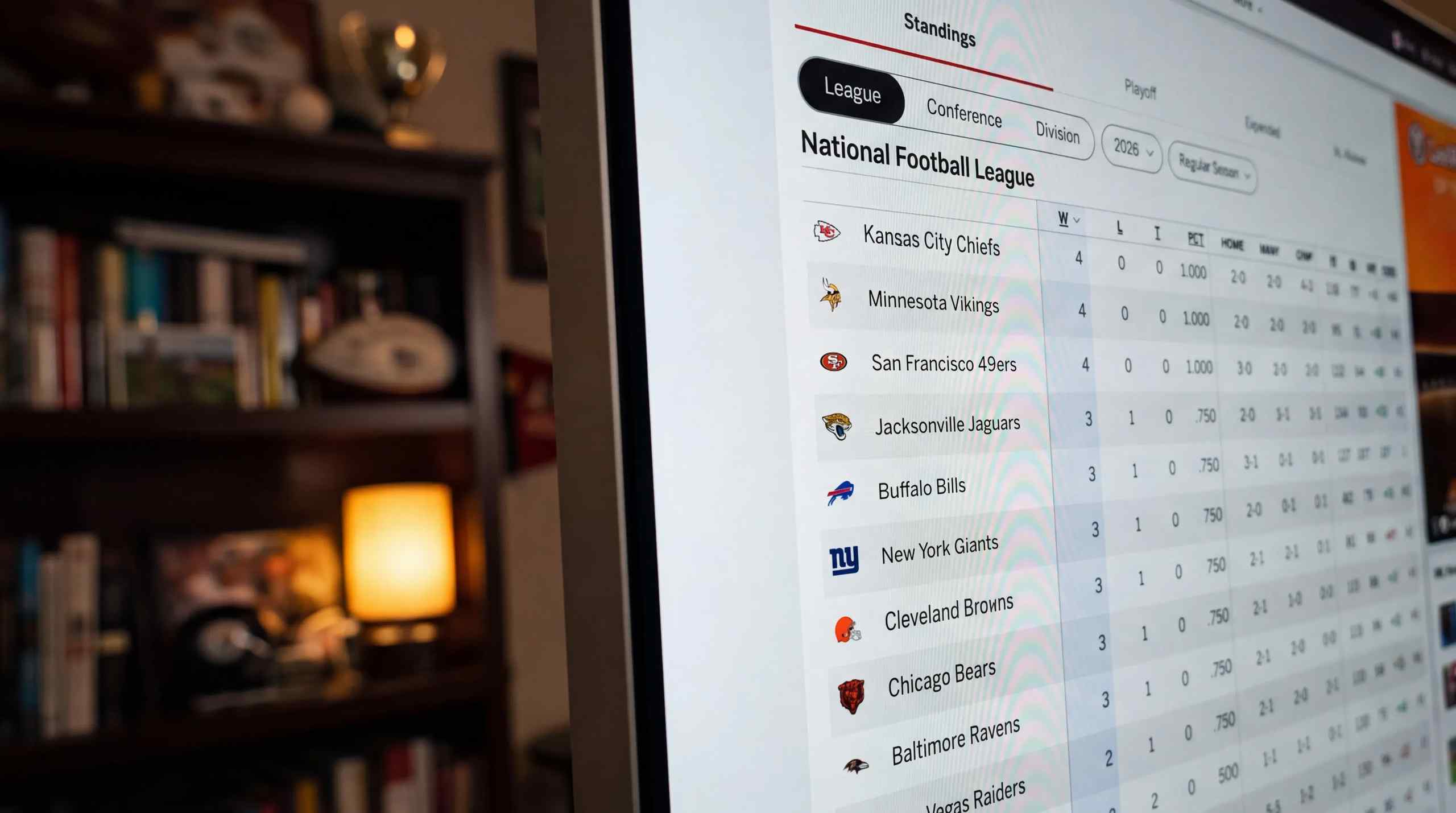
Does a 4-0 NFL Start Mean You're Playoff Bound?
A 4-0 start can put your team on the fast track to the playoffs, but history shows that even Super Bowl champions don't always start strong.
By Marcus Mosher
The 8 Greatest Sports Movies Ever Made, Ranked
Rocky isn't No. 1 by default. We ranked the eight greatest sports movies ever made, from a boxing warhorse to a table tennis fever dream, weighing critical scores against what actually stuck.
By Cole Rush
Which Sports Punish Losing Teams the Most?
From a punishing relegation to first draft pick optimism, discover which sporting leagues have the highest penalties for a losing season and those that feel comparatively lenient.

By Stuart Hughes
MLB Playoff Byes Aren't the Advantage You Might Think
Since baseball went to its current 12-team playoff format, the results show that bye teams only hold a slight Division Series advantage over Wild Card winners.

By Bill Gelman
McKenna, Martone Lead 5 NHL Rookies to Watch
Gavin McKenna and Porter Martone enter as the favorites, but a deep 2026-27 rookie class gives the Calder Trophy race plenty of potential challengers.

By Bill Gelman
Parlaymint Wants to Turn Parlays Into a Team Sport
Parlaymint turns the group parlay into a social sport, giving every bettor one pick, a share of the payout and potentially the entire bill if their leg is the only one that loses.
By Charlon Muscat