
Five Athletes Who Ripped Up the Rulebook
Too dominant, too disruptive or simply too effective. These five athletes helped force major rule changes that reshaped how their sports are played.

Everybody has become accustomed to witnessing exceptional athletes redefining a new standard for sporting excellence - players like Brady, Messi, and Jordan are a few that spring to mind. Yet while these GOATs need little introduction, spare a thought for the sports stars whose own unique talents were so dynamically disruptive that they single-handedly forced lawmakers to change the rules of the game.
Certainly not limited to the likes of the NFL and NBA, it would appear few sports are exempt, as numerous sporting mavericks found ways to exploit a telling loophole the rulebooks had left open. From an unplayable MLB pitcher to an NHL masterclass in goaltending, here's a fascinating insight into the unconventional players who inadvertently rewrote the rules as they went.
Too Good for the Rulebook - When Dominance Actually Becomes a Problem
No matter if you're a season ticket holder or an avid sports bettor seeking out an edge, sometimes players can unlock an unprecedented competitive advantage without even trying. Often, these trailblazers are doing nothing more than playing the game, but when raw talent proves to be simply too effective, they instigate rule changes that would forever bear their names.
#5: Roy Williams (NFL)
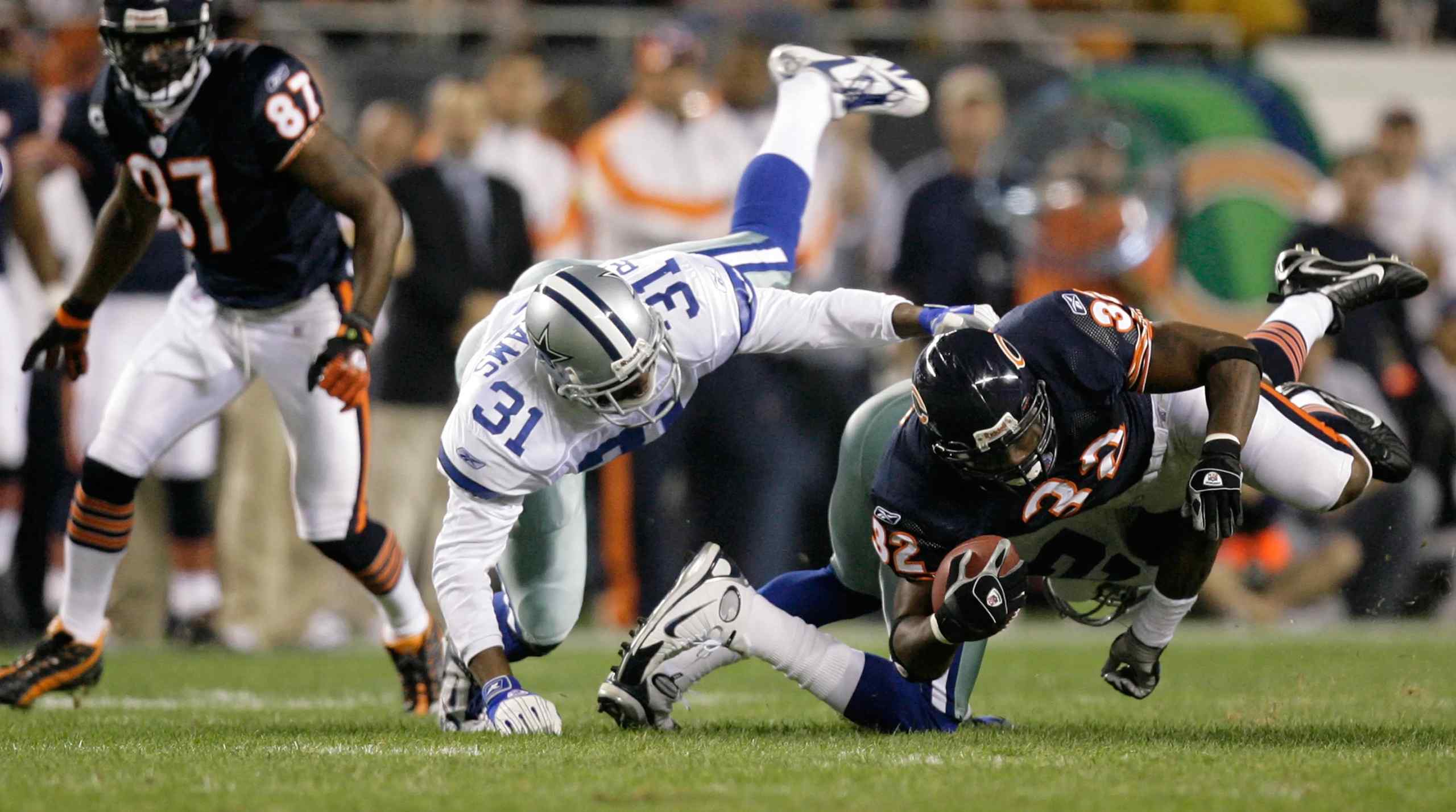
Granted, NFL Pro Bowl Safety Roy Williams was one of the league's hardest hitters, but after his notorious horse-collar tackle technique led to several major player injuries in the 2004 season, the NFL eventually said: 'enough is enough.' The following year, NFL owners voted 27-5 to outlaw Williams' preferred method of tackling, which quickly garnered the nickname the 'Roy Williams Rule.' Incidentally, Williams later doubled down on his unwanted legacy by becoming the first player to be suspended for breaking the rule his tackling had inspired.
#4: Douglas Jardine (Cricket)
Douglas Jardine makes the shortlist, not for his freakish athletic dominance, but for masterminding a tactic so effective and controversial that cricket ultimately changed its laws to curb it. It all happened on England's infamous 1932–33 Ashes tour when Jardine introduced the world to Bodyline bowling, designed to neutralize the talented Australian batsman Don Bradman by bowling hostile short-pitched bowling and crowding the leg-side field. After igniting a sporting and diplomatic firestorm between Britain and Australia, Jardine's captaining exploits ultimately forced cricket's governing body to rewrite the rules to limit its effectiveness.
#3: Bob Gibson (MLB)
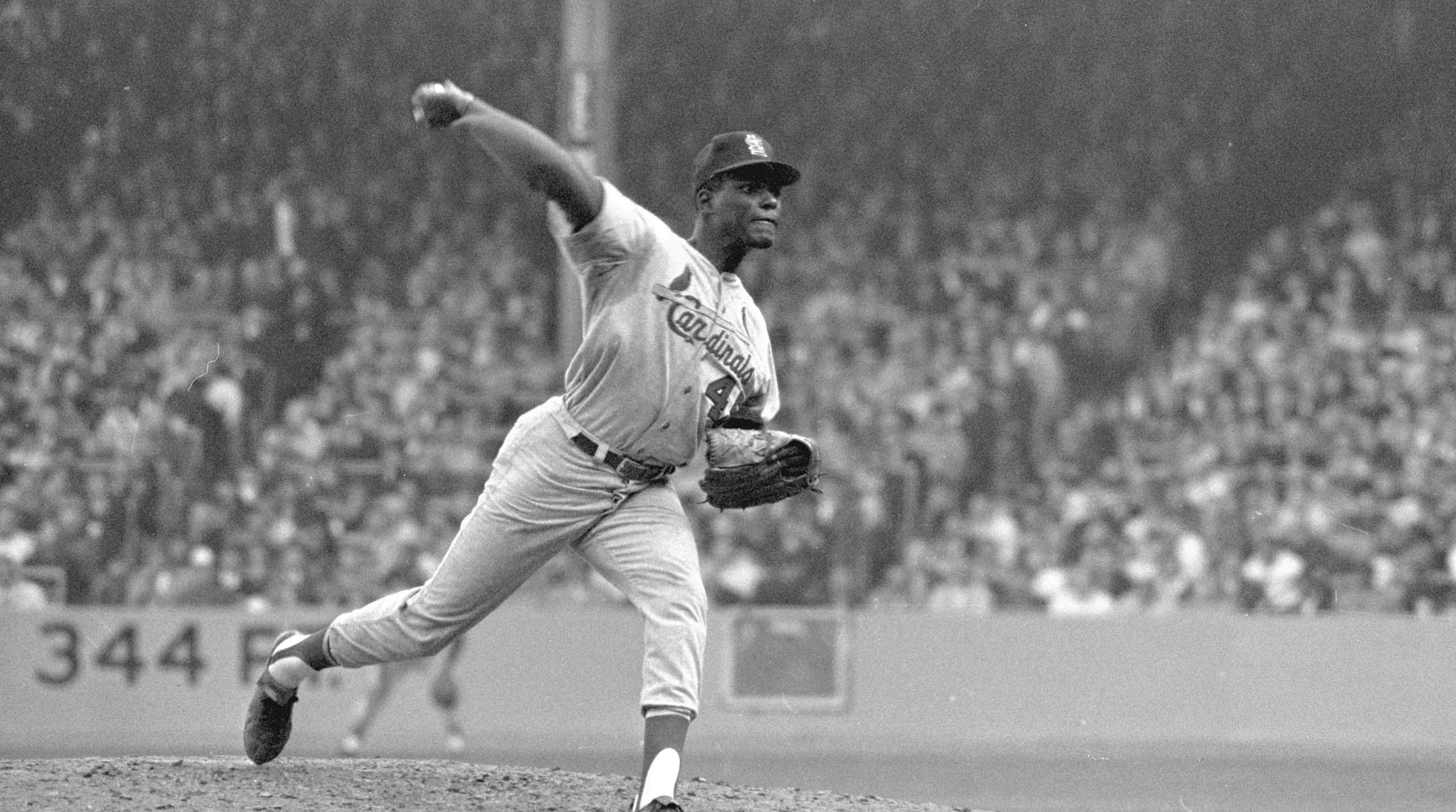
Legendary pitcher Bob Gibson became the face of baseball’s 1968 ‘Year of the Pitcher,’ helping spur changes designed to restore balance between pitchers and hitters.
This all came after the Cardinals ace posted a staggering 1.12 ERA, throwing 13 shutouts and striking out 17 batters in Game 1 of the World Series, which eventually led the league to lower the pitcher's mound from 15 inches to 10 - geometrically reducing the strike zone and, in effect, a pitcher's advantage too.
#2: Martin Brodeur (NHL)
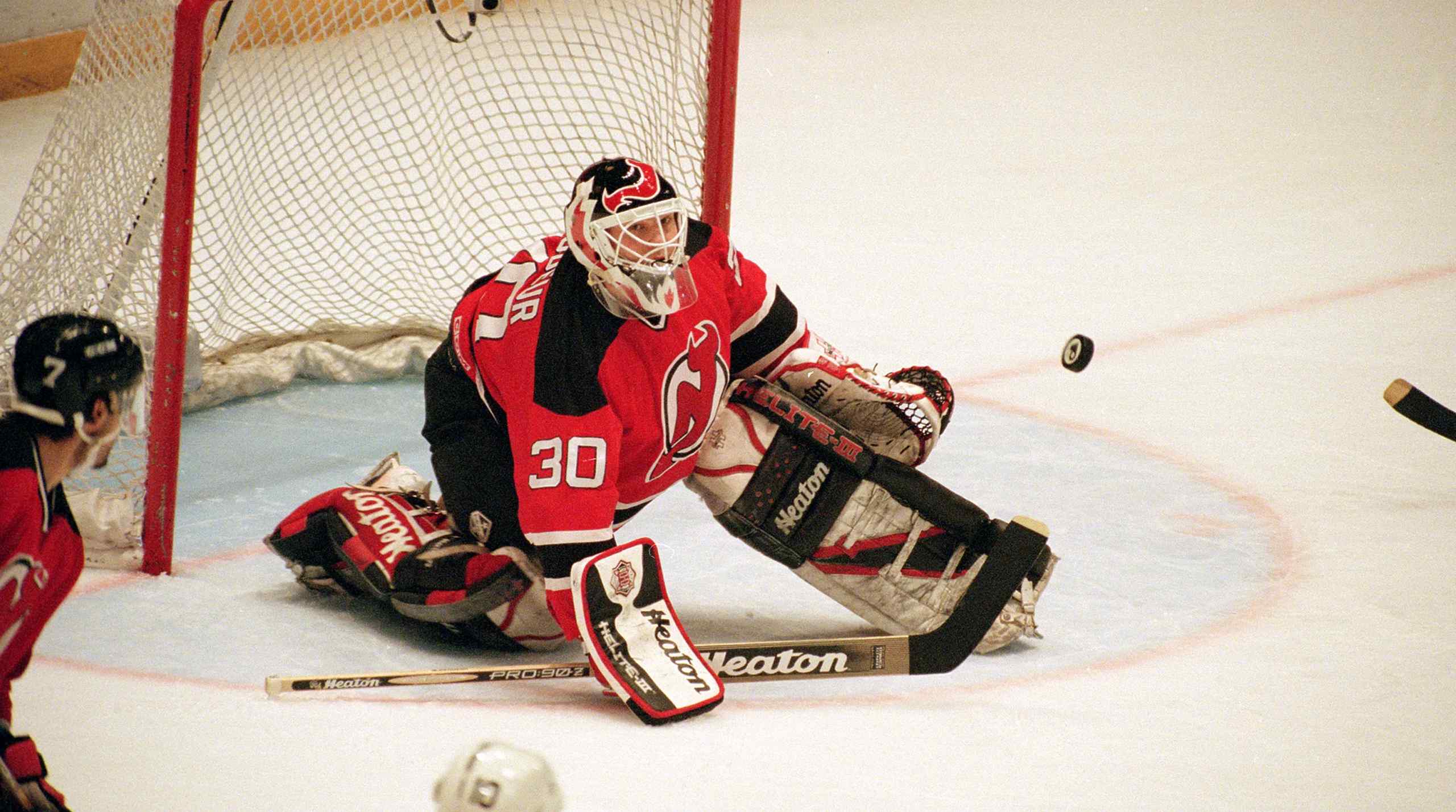
NHL's imposing goaltender Martin Brodeur wasn't just a superstar when it came to shot-stopping; in fact, he handled the puck so well he could kill off any offensive pressure by simply dumping the puck behind his net to play out from the back. Remarkably, Brodeur's astonishing skills were so effective that, in 2005, the NHL was forced to introduce the trapezoidal area behind the goal, effectively limiting where goaltenders could legally manage the puck behind the goal line. Quickly named the "Brodeur Rule", goalies subsequently faced a delay-of-game penalty from that point on if they played the puck outside the designated trapezoidal zone.
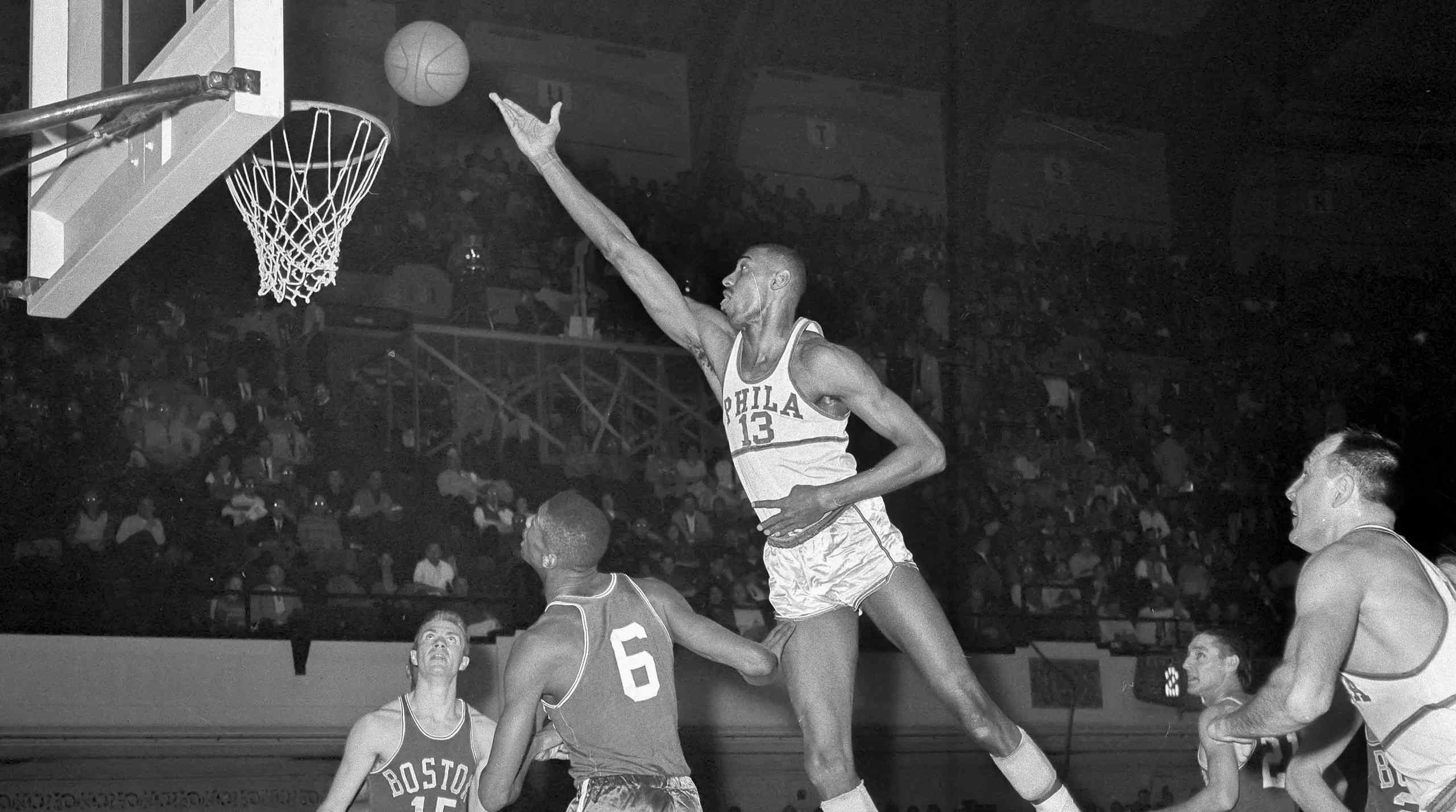
#1: Wilt Chamberlain (NBA)
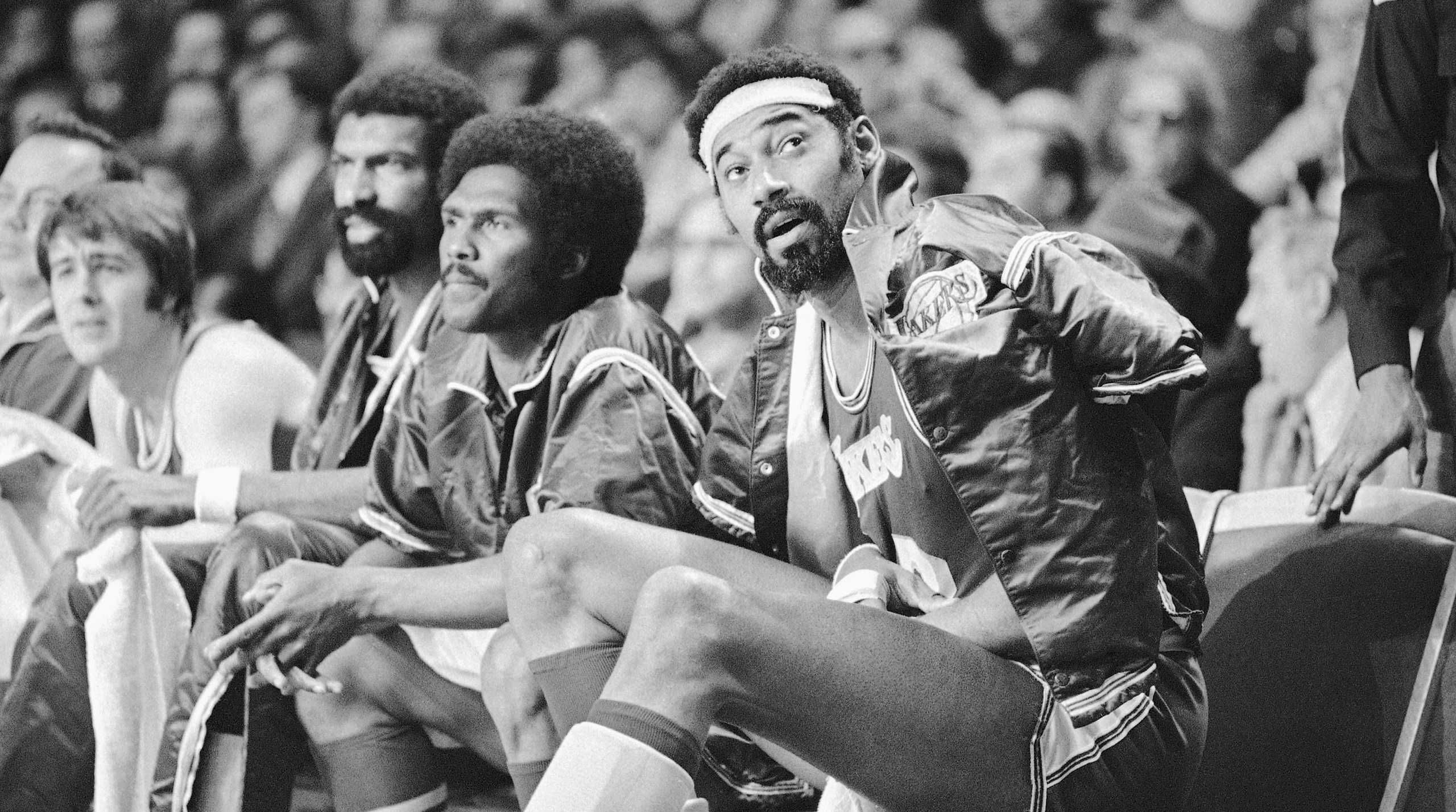
Wilt Chamberlain undoubtedly deserves the No. 1 spot, as his unprecedented combination of size and athleticism exposed just how ill-equipped basketball's existing rules were at containing him.
At 7-foot-1, Wilt is still the only player to score 100 points in an NBA game as well as once posting a season-long 50 points per game average. Consequently, Chamberlain single-handedly forced more NBA rule changes than any player in history and is commonly associated with modifications ranging from widening the lane to tightening rules around goaltending, inbounding, and shooter movement restrictions during free throws.
Famous Rule Changes in Sports
| Athlete | Sport | Year of Law Change | Infringement | Rule Change |
|---|---|---|---|---|
| Wilt Chamberlain | NBA | 1956 | Dunking free throws with a running start in the NCAA. | Shooters must remain behind the line until the ball reaches the basket. |
| Martin Brodeur | NHL | 2005 | Playing the puck extensively outside the crease and disrupting opposing forechecks. | Introduced the trapezoidal area, with an added delay-of-game penalty for playing outside it. |
| Bob Gibson | MLB | 1969 | Pitching dominance over batters. | Lowered the pitching mound from 15 inches to 10 inches. |
| Douglas Jardine | Cricket | 1935 & 1957 | Bowling hostile bouncers combined with a heavily stacked leg-side field. | Ban of direct attack bowling and limiting two fielders behind square on the leg side. |
| Roy Williams | NFL | 2005 | Pulling players down by the inside of their shoulder-pad collar. | Outlawed Horse-collar tackling entirely. |
What Counts as a "Forced" Rule Change Then?
Okay, so ‘forced’ does come with a notable asterisk, particularly in the case of Wilt Chamberlain, but leagues are loath to admit that one player managed to break the rules of the game. Ultimately, changes inherently emerge from a cocktail of dominant trends, safety concerns, or exploitative tactic innovations.
As a result, there’s a whole world of difference between becoming the poster boy for a seismic law change in any given sport and the actual reason why the rulebook had to change in the first place.
Rulebook Myth vs. Sporting Reality
Let’s face it, sports-bar mythology always loves a neat story, and commemorating a player’s antics by slapping their name on a rule change doesn’t always do justice to the other athletes involved. In the majority of cases – Williams, Jardine, Gibson, Brodeur – these players just happened to either be the first or be particularly apt at the skills that eventually sparked the rule changes, not the sole cause.
Chamberlain, on the other hand, truly forced basketball's overlords to change the rules, if only because the majority of his party tricks just couldn’t be replicated by his peers.
Stuart Hughes is a London-based freelance journalist covering sports, travel, lifestyle, and technology. He’s worked with brands like Lenovo, Best Western, and Frontier Airlines, bringing a global perspective shaped by years of travel.
More Articles like this
Do NHL Stars Lose Their Edge After Signing Huge Contracts?
Do NHL stars really take their foot off the gas after a big payday? We analyzed 29 major contracts to find out.

By Charlon Muscat
Five Iconic World Series Moments Since the Brewers' Appearance
The Brewers are back in the World Series after 44 years. From Bill Buckner's error to the Cubs ending their curse, plenty has happened since 1982.
By Bill Gelman
LeBron to Giannis: Ranking 5 NBA Offseason Stunners
LeBron to Philly, Giannis to Miami, and Wemby staying put. Which NBA offseason move will pay off the most?
By Bill Gelman
NFL Fans Spend $900 to Watch Games. WWE Fans Pay Even More
Think watching every NFL game is expensive? WWE fans would argue otherwise.

By James Guill
How Bad Is It? Ranking the NHL's Original Six by Fan Misery
Nearly 60 years without a Stanley Cup is just the beginning. We rank the NHL's Original Six teams by how much misery their fans have endured.
By Bill Gelman
Why Does Everybody Hate Us? 10 Most Hated Sports Teams Ever
Some teams always win; others get caught breaking the rules. Either extreme is a surefire way to become universally hated, as these 10 sports teams can attest to.
By Stuart Hughes