
Opinion: Rugby Fans Deserved a Warning Before Airlink’s Risky Flyby
Airlink’s Cape Town flypast delivered spectacular PR. But did 56,000 rugby fans deserve a warning before two jets came that close?

I’ve watched the DHL Stadium flyby more times than I care to admit. I should probably love the whole thing — spectacular television, even better marketing. Instead, something about it got under my skin. I fly a ridiculous amount, so aviation disasters have a way of staying in my head.
The South Africa-New Zealand match went exactly as planned. Still, put my own family in those seats, unknowingly signed up for that stunt, and I don’t like it one bit.
The flyby that started the argument
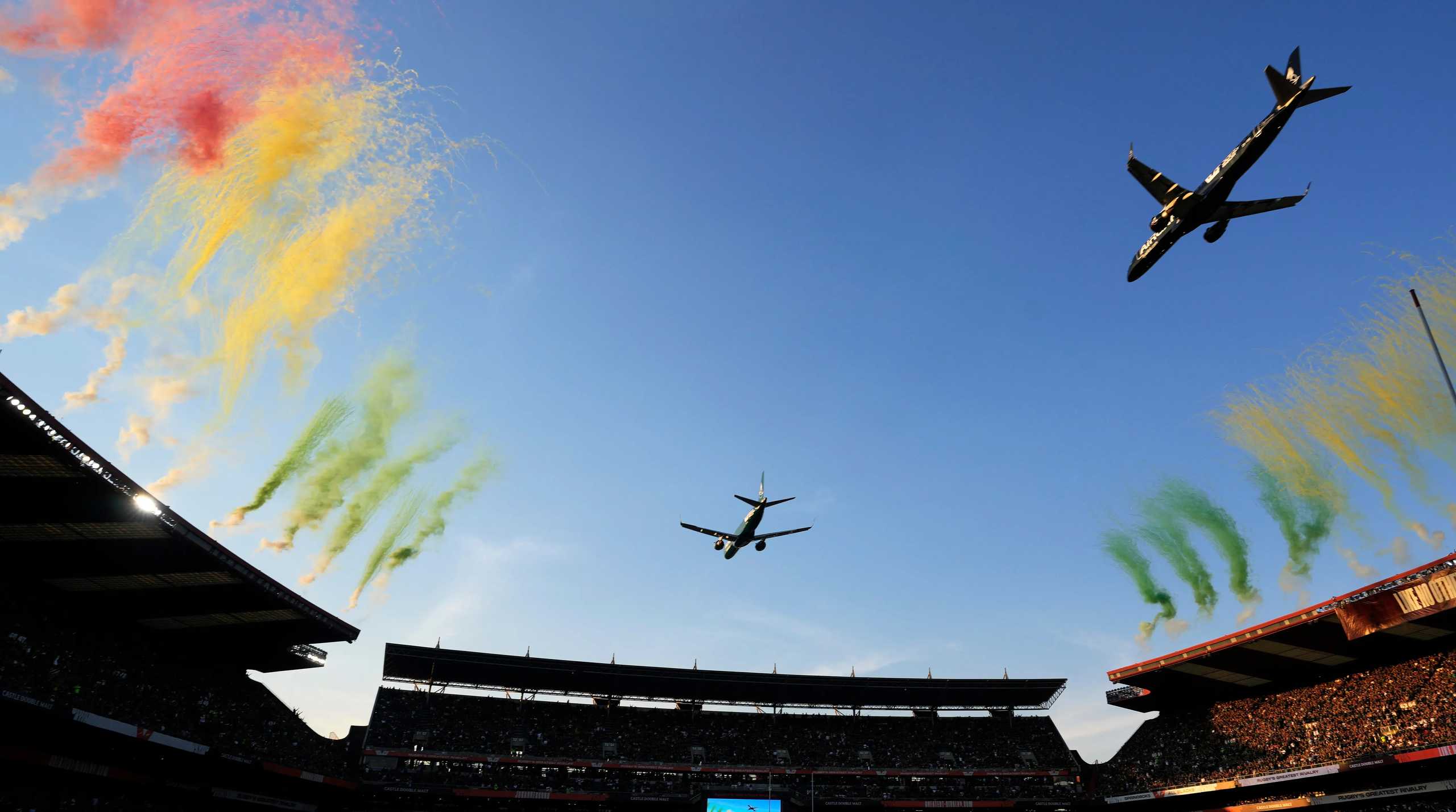
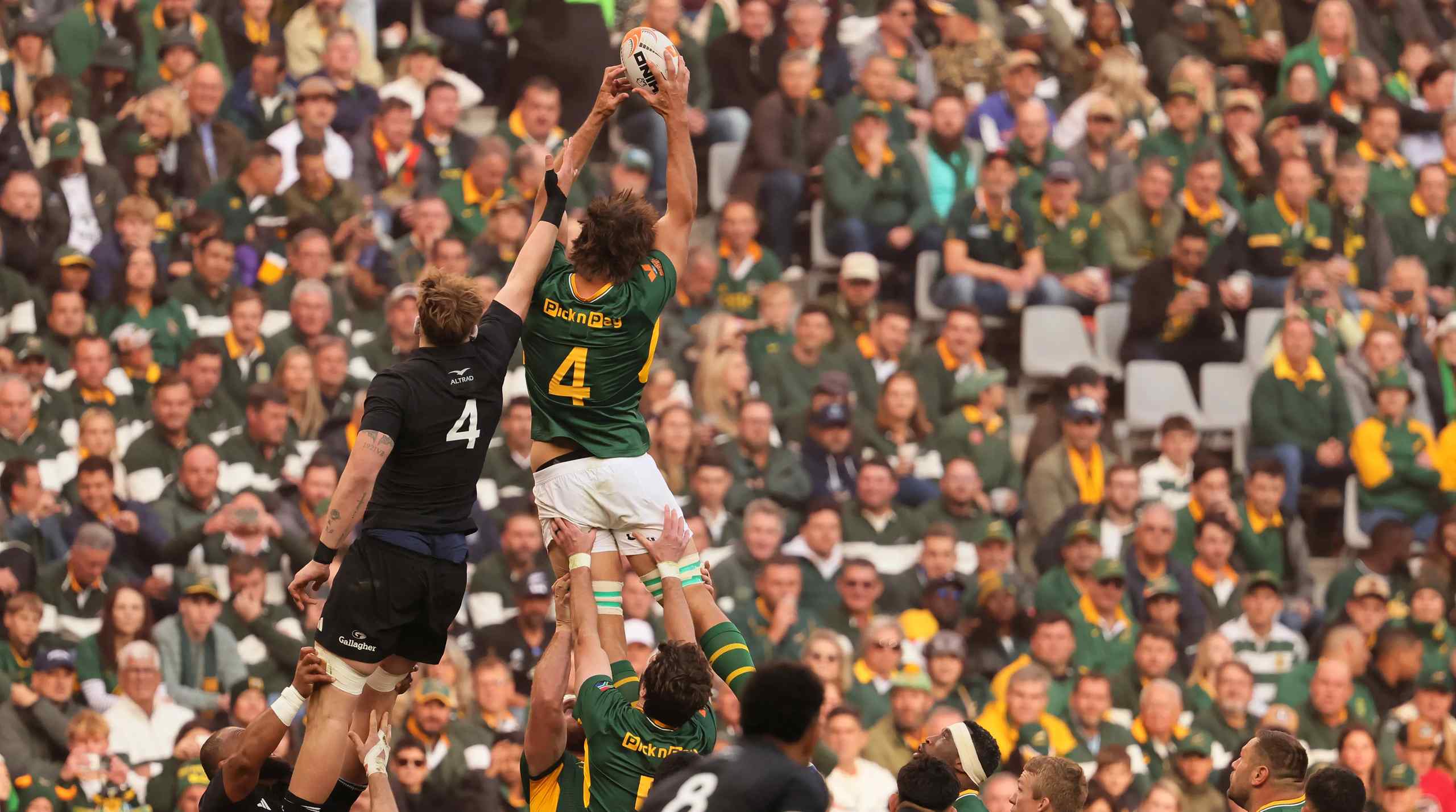
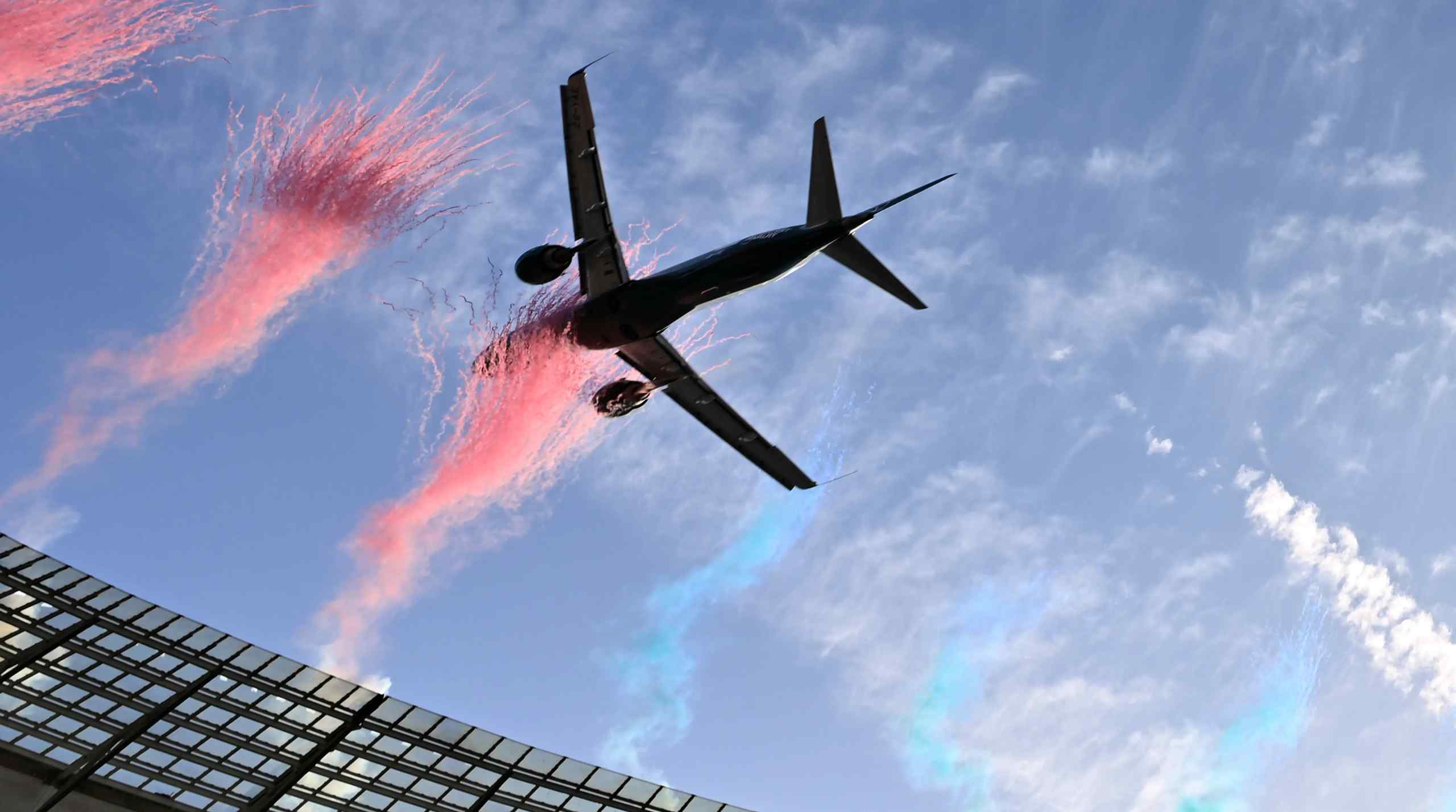
South Africa’s 33-26 win over New Zealand in the second Test of Rugby’s Greatest Rivalry came with a made-for-TV opening act. Two Airlink Embraer jets roared over DHL Stadium in tight formation above 56,589 fans, another huge crowd for a city that increasingly uses marquee sports as a way to drive tourism. Then the second Embraer delivered another spectacle, blasting straight through a plume of pink pyrotechnic smoke.
Flightradar24 identified the two aircraft as E195 and E190 and, based on ADS-B altitude data, estimated the lead cleared the stadium’s 164-foot roof by just 41 to 46 feet, or 12.5 to 14 meters. For some perspective, an E195 measures about 35.7 feet from the ground to the top of its tail, meaning the clearance was barely more than a plane’s height.
Airlink, the official domestic airline for the Springboks-All Blacks tour, confirmed the flyby was planned and rehearsed at about 150 knots, with initial SACAA approval and guidance from Air Traffic and Navigation Services. Each Embraer carried three senior captains in command, co-pilot and safety roles. Aviation analyst Guy Leitch told South Africa’s IOL the maneuver posed no fundamental danger, though he said Airlink had “probably overcooked it” and should have flown higher.
Yesterday Airlink announced it was cancelling a subsequent flyby and SACAA is now reviewing the flight data to determine whether the Cape Town flyby stayed within its approved parameters.
Fans never got a say
I don’t need proof that the pilots broke a rule or nearly clipped the roof before seeing the problem. Airlink and aviation authorities had the time, expertise and authority needed to weigh that risk and accept it. The family in Row 20, there for what may have been the biggest rugby match of their lives, never had that say.
General ticket sales opened Feb. 2, nearly seven months ahead of the match. Airlink’s match-day post gave Cape Town just a few hours’ notice and teased a visit around kickoff. At that point, most fans had long since locked in their plans, yet even then, nothing in the message read like a safety advisory. “Get your cameras ready” does not exactly translate to “stand by, we’re bringing an airliner down to rooftop level.”
Even South African law recognizes the warning principle
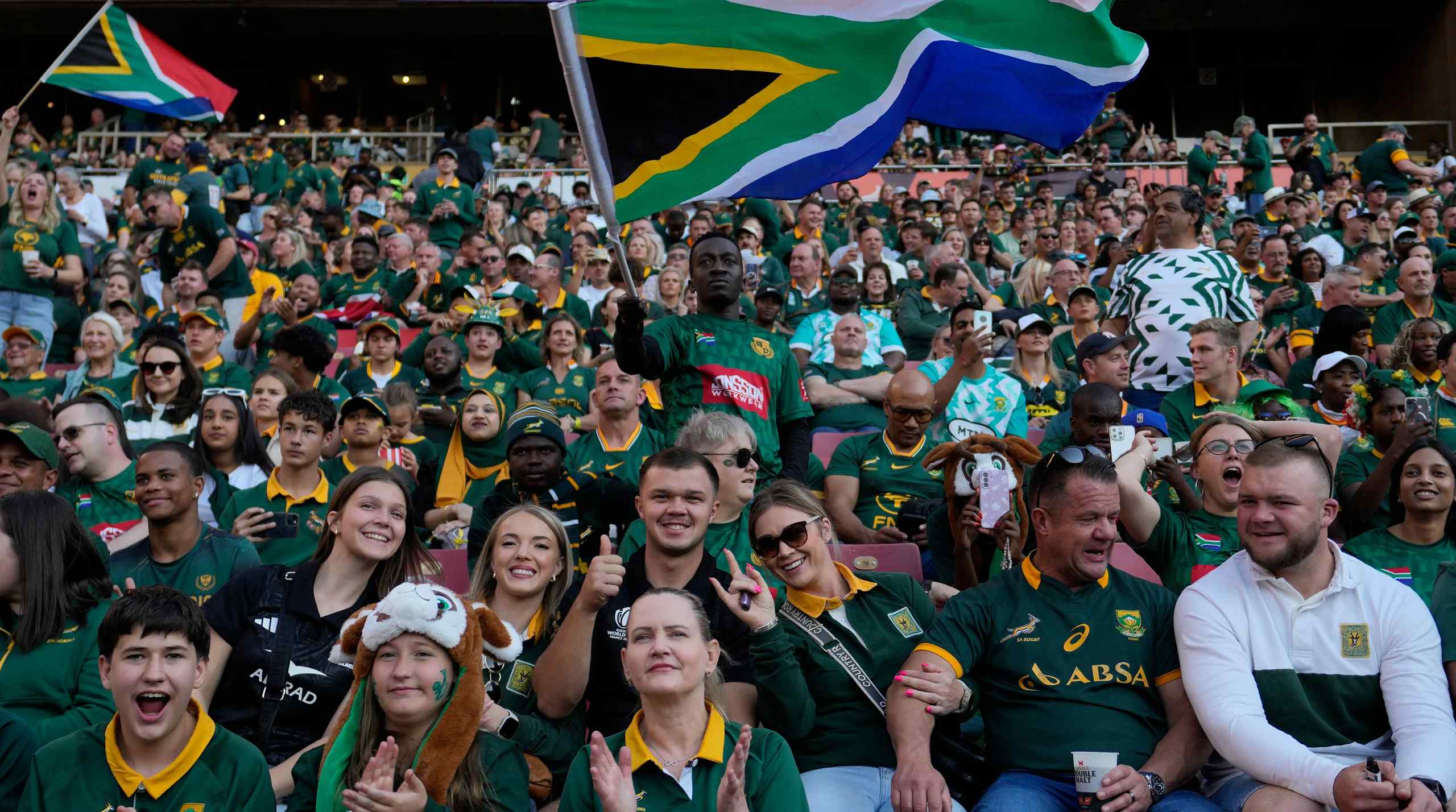
When I plan one of those once-in-a-lifetime sports trips, like Wimbledon, the World Cup, or a Springboks Test, I accept the risks that come with the territory — packed concourses, steep stands, maybe a ball headed our way. What I do not bargain for is two regional airliners skimming the roof as part of the show. And with my wife and son sitting beside me, I’d rather not learn after the fact that rooftop-level airliners were part of the entertainment.
Cape Town came off without a hitch, and everyone can be thankful for that. But aviation history has plenty of reminders that the unexpected gets a vote. US Airways Flight 1549 lost thrust in both engines after striking a flock of birds near LaGuardia and ended up in the Hudson. At Shoreham in 2015, a Hawker Hunter failed to level out during an airshow maneuver and crashed onto a road, killing 11 people. Neither case means Airlink’s flyby was unsafe, but they do explain why I’d want the choice of whether to be there for it.
➡️ Fear of flying? Here are 10 amazing destinations you can reach by boat.
One thing that tells me I’m not just clutching pearls here, beyond the backlash the flyby drew on social media, is that South African consumer law already makes room for this kind of situation. The Consumer Protection Act treats entertainment and access to an event as services, while Section 58 says suppliers must specifically flag unusual risks, hard for consumers to anticipate, or capable of causing serious injury or death. Those warnings must meet Section 49’s standards, including plain language and conspicuous notice, before the transaction takes place.
To say some fans were upset would be an understatement:
Calling it an airshow misses the point
“That was spectacular,” Sports Minister Gayton McKenzie wrote on X. “Next time I will ask the pilots to land on the field.” Fair enough, I like an airshow too. But when you attend one, tight turns and low passes come with the ticket. You know what you signed up for, including the remote chance that something goes wrong.
And if we’re doing the “this was basically an airshow, get over it” thing, here’s how the Cape Town clearance compares with published spectator-separation figures for formal air displays in South Africa and the United States.
Aviation Close Calls Over the Years
| Scenario | Published separation | Measured from |
|---|---|---|
| Cape Town flyby | 41–46 ft* | Stadium roof |
| South Africa: commercial air-display flyby | 500 m / 1,640 ft | Crowd line |
| South Africa: spectator overflight | 1,000 ft | Spectators/obstacles |
| U.S.: FAA airshow fly-by | 500 ft | Spectators/buildings |
*Flightradar24 estimate, not a direct measurement.
These aren’t apples-to-apples measurements, and none of them means Airlink broke a rule. The airline says SACAA approved the altitude and speed for the pass.
Approved is not the same as accepted
SACAA may well conclude that Airlink flew exactly as approved. That may settle the compliance side, but it still leaves the people in the seats. South Africa requires warnings even for disturbing content in films and games. Here, 56,000 rugby fans got little more than a teaser ahead of an airliner at rooftop height. If promoters add an avoidable hazard for a splashy PR moment and a few viral clips, fans deserve enough notice to decide whether they want any part of it.
Charlon Muscat is an established iGaming expert who entered the space in 2019 and went on to build a name across both casino and sportsbook content.
More Articles like this
Eight Years, Eight NBA Champions. Is Parity Here to Stay?
Eight different teams have won the NBA championship in eight years, the longest such streak in league history. Can the Knicks finally break the cycle, or will another contender claim the crown?
By Bill Gelman
Is This the Biggest Acquisition Era in Sports Betting History?
Sportsbooks, prediction markets, and sweepstakes apps are fighting for the same customers. We compared 11 welcome offers to see who's offering the biggest incentives.

By Cole Rush
Does a 4-0 NFL Start Mean You're Playoff Bound?
A 4-0 start can put your team on the fast track to the playoffs, but history shows that even Super Bowl champions don't always start strong.
By Marcus Mosher
The 8 Greatest Sports Movies Ever Made, Ranked
Rocky isn't No. 1 by default. We ranked the eight greatest sports movies ever made, from a boxing warhorse to a table tennis fever dream, weighing critical scores against what actually stuck.
By Cole Rush
Which Sports Punish Losing Teams the Most?
From a punishing relegation to first draft pick optimism, discover which sporting leagues have the highest penalties for a losing season and those that feel comparatively lenient.
By Stuart Hughes
MLB Playoff Byes Aren't the Advantage You Might Think
Since baseball went to its current 12-team playoff format, the results show that bye teams only hold a slight Division Series advantage over Wild Card winners.
By Bill Gelman