
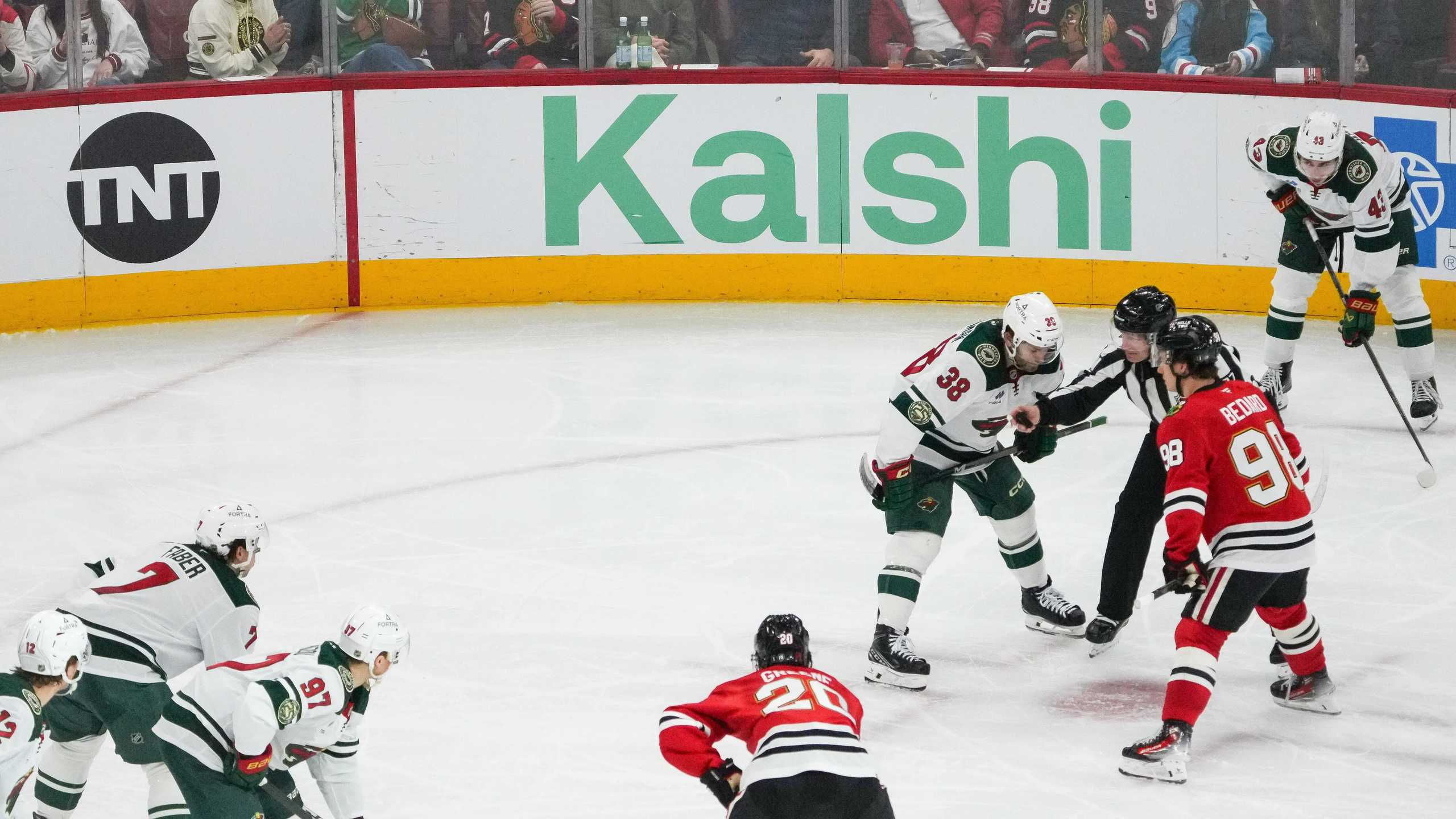
Kalshi, FanDuel, and Streamers: The New Advertisers Taking Over Sports
The sports broadcast you grew up with is gone. Budweiser and Nike have given way to FanDuel sign-up promos, Kalshi prediction markets, and Amazon's real-time betting lines — and it happened faster than anyone noticed. Here's what the new advertising playbook looks like, and what it means for the way we watch sports.
.webp)
From my couch, I'm watching this strange new world unfold. When I turn on the TV to catch the game, I'm met with promos from FanDuel and their sign-up bonus instead of Budweiser or the Nike "Just Do It!" swoosh.
You know the feeling, right? The game goes to a break, and instead of a truck commercial, you're suddenly hit with a cinematic overload - details about the latest Netflix sports documentary series, or an ad from Kalshi asking you to predict exactly how many points the winning team will win by.
As a sports fan, you might wonder: What the hell happened to the insurance and auto commercials?
Currently, the biggest story in the sports media world is the quiet shift in advertising. It has changed dramatically; we moved from a passive-viewing model (where “the big three”- beer, trucks, and insurance companies, all tried to help you find peace of mind after retirement) to an economy that’s based entirely on interaction, prediction, and streaming.
Today's sports broadcasts not only entertain but also give viewers a constant way to participate in the event.
The new advertisers who will dominate the market are, on the whole, large companies in the internet age, such as sportsbooks, prediction markets, and streaming services, as well as others that use sports to market to consumers.
How sportsbooks won
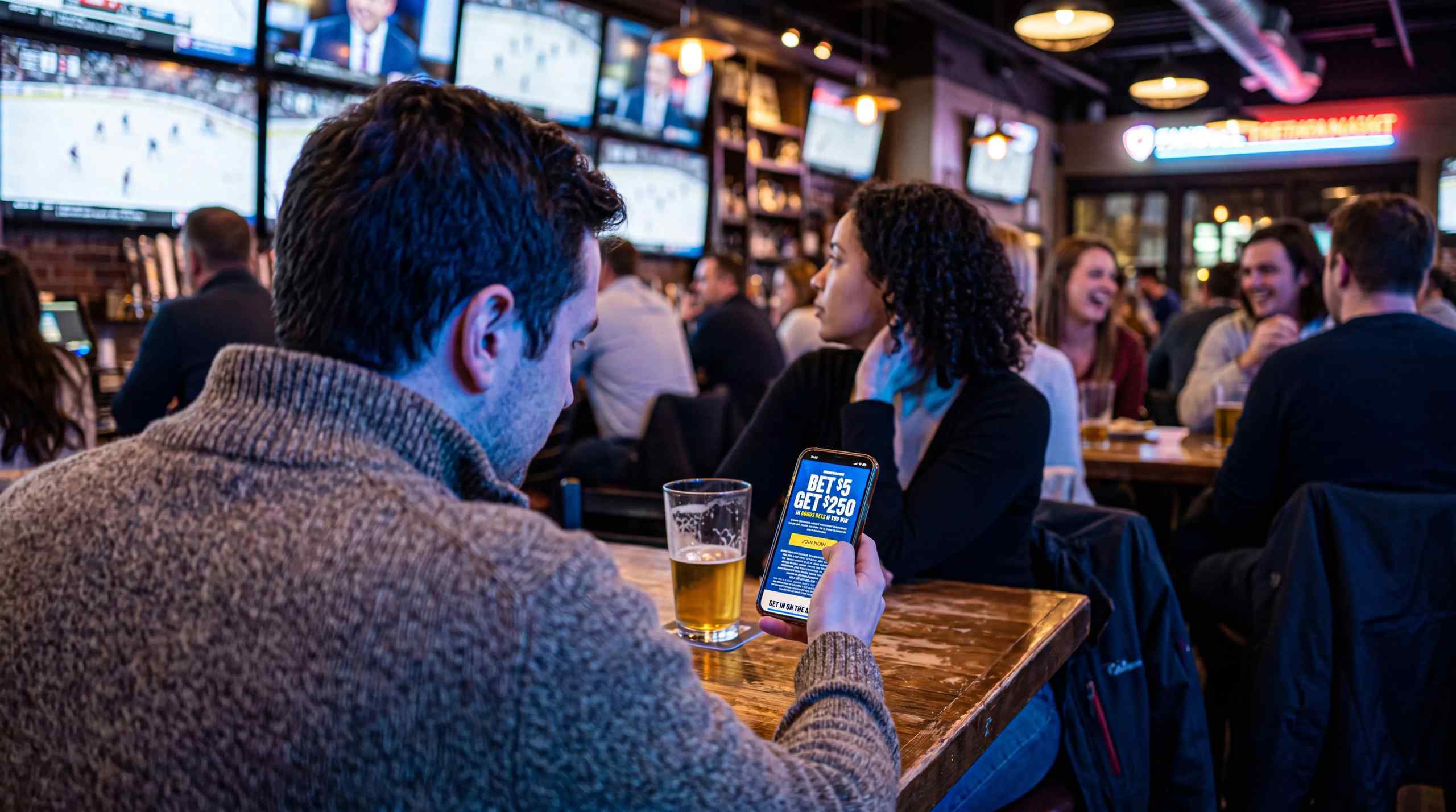
The most multi-dimensional shift, obviously, is the rapid increase in legalized sports betting. However, this can’t just be seen as "new advertisements on television".
In effect, these companies are on a very big customer-acquisition treadmill, and for example, they will spend approximately $3.9 billion on ads and marketing in 2025, taking a large share of the broadcast inventory. But the true genius is not the budget, but the manipulation of your behavior to drive purchases.
For example, companies like FanDuel and DraftKings have not only purchased ad space but also changed how we consume sporting events by integrating themselves into television broadcasts.
An excellent illustration of this is the collaboration between FanDuel and Amazon, which offers its customers the opportunity for real-time stats and betting lines while watching their favorite NBA and WNBA players compete through Amazon's Prime service. As a result, fans can now explore the possibilities of being financially involved as participants rather than just cheering on their favorite teams.
Prediction markets arrive
Just as we've gotten used to the point spreads, a new, even more disruptive player has entered the arena: prediction markets. Platforms like Kalshi and Polymarket, which have just inked their first major deal with the National Hockey League (NHL), are seeing their visibility explode.
The platforms appeal to a young generation who grew up with technology and see the world as full of possibilities. Instead of just trying to identify the one team or player likely to win, they would rather bet on how many points will be scored at halftime or how long the national anthem will last.
Kalshi CEO Tarek Mansour described the recent multi-year licensing agreements between the NHL and Kalshi and Polymarket as a "watershed moment" for prediction markets and has stated that prediction markets are "here to stay."
This is proof that fan engagement is becoming a new financial market. And it is happening in real time.
Streaming takes the crown
The premise of all interactions is that we have moved from linear television viewership to getting sports through a streaming medium.
For years, we have watched our games in a relatively small number of venues and have had a very passive experience, with multiple commercials every half hour.
This model is quickly changing. In 2025, there was an unprecedented influx of users streaming the Super Bowl on mobile devices. Streaming service providers will follow users in terms of financial development; therefore, it is no surprise that global spending on sports rights is projected to reach approximately $14.2 billion by the end of 2026.
Why is this important? Streaming services enable addressability that was never achievable with linear TV; this includes hyper-targeted, personalized advertisements tailored exactly to you and your experiences, based on your viewing history, shopping habits, and possibly even your location.
Look at it this way. As part of their exclusive broadcast rights for the NFL, Amazon will have the ability to show commercials to each individual viewer while also offering targeted advertisements based on user behavior.
In other words, the traditional broadcast ad model, where a single generic commercial is shown to all viewers, no longer holds true!
Goodbye, Bud and Nike
So, where did all the legacy brands go? Many have gone and been replaced by creator-driven and vertical brands. The old sports ad age was based on total availability, with everyone having a Budweiser, a pair of sneakers, or a car.
Today's sports audiences are much more diverse in their engagement level and use of digital e-commerce. An example is Fanatics, which is now more than just a merchandise retailer; they operate as a full-service media studio and a direct-to-consumer retail system that enables athletes to promote their own websites/stores and profit through NIL agreements from their brand.
According to Nielsen, in 2025, women's sports received approximately 46 billion minutes of viewer exposure through its events and competitions. We no longer think of women's sports as a niche market but as a mainstream product that benefits all advertisers.
In addition, sponsorship revenues for both the WNBA and NWSL increased by 32.7%, totaling $195 million, creating a gold rush for advertisers seeking to reach new active audiences that traditional advertisers have struggled to reach.
The engagement era
We have crossed a definitive threshold. Sports broadcasting has become distinct from traditional forms of entertainment by creating an interaction-based platform that utilizes both the viewer and the content as products.
Advertisers are now purchasing something other than a 30-second commercial; they are acquiring the data associated with the content, the viewer's attention to that content, and a permanent space on participants' second screens when they check their phones during time-outs.
Traditional advertisers, such as beer and insurance companies, still exist, but they're no longer in the driver's seat.
This is the internet's rodeo now, and we're all just along for the ride.
Lucie brings almost 20 years of iGaming experience, combining sports writing expertise with deep casino knowledge. Her work spans live sports coverage, slot mechanics, player-focused reviews, and strategic casino content. Known for her no-nonsense, first-hand approach, Lucie cuts through jargon to deliver clear, practical insights for both operators and players.
More Articles like this
Why Does Everybody Hate Us? 10 Most Hated Sports Teams Ever
Some teams always win; others get caught breaking the rules. Either extreme is a surefire way to become universally hated, as these 10 sports teams can attest to.
By Stuart Hughes
5 Outrageous Sports Rules That Need to Die
From a missed signature disqualification to a two-minute penalty for a tucked-in jersey, find out about the top five dumbest rules in sport that leave common sense in the locker room.
By Stuart Hughes
The 10 Most Unforgettable Quotes in Sports History
From Jordan's hard truths to Healy's cheeseburger dig, these legendary greats uttered 10 iconic quotes that turned out to be as memorable as their sporting achievements.
By Stuart Hughes
Eight Years, Eight NBA Champions. Is Parity Here to Stay?
Eight different teams have won the NBA championship in eight years, the longest such streak in league history. Can the Knicks finally break the cycle, or will another contender claim the crown?
By Bill Gelman
Is This the Biggest Acquisition Era in Sports Betting History?
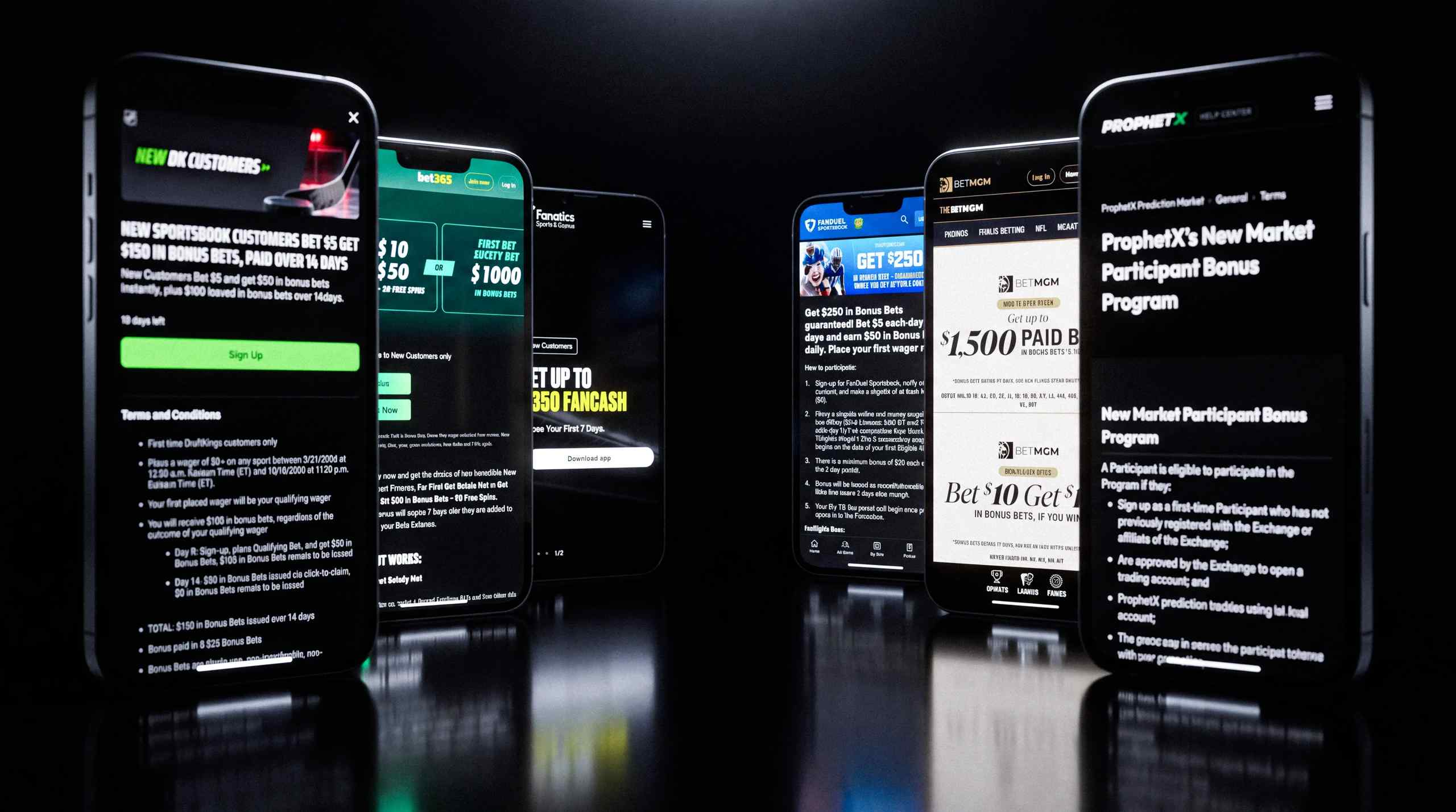
Sportsbooks, prediction markets, and sweepstakes apps are fighting for the same customers. We compared 11 welcome offers to see who's offering the biggest incentives.
By Cole Rush
Does a 4-0 NFL Start Mean You're Playoff Bound?
A 4-0 start can put your team on the fast track to the playoffs, but history shows that even Super Bowl champions don't always start strong.
By Marcus Mosher