
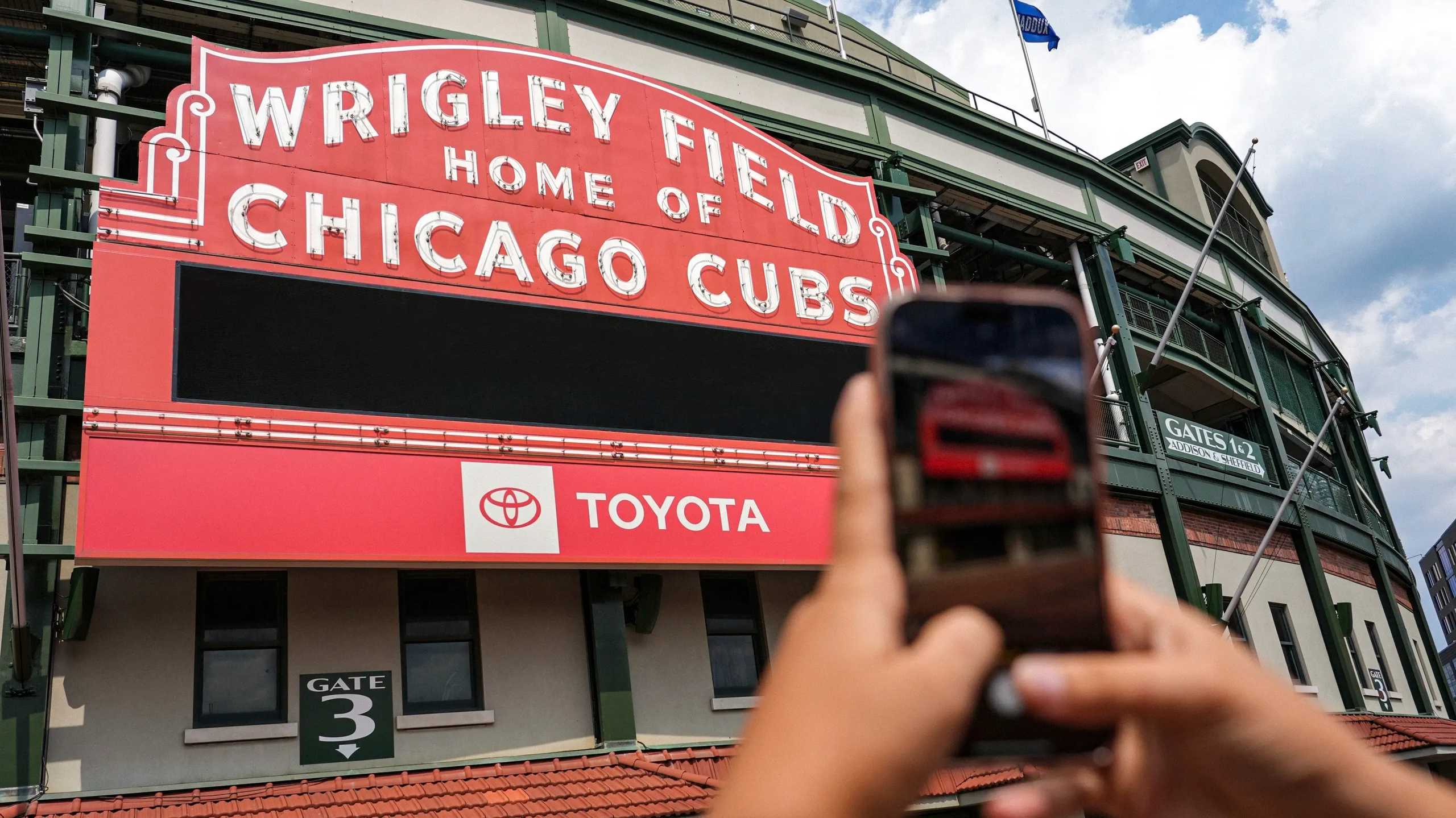
Ultimate Sports Trip: Catching a Cubs Game at Wrigley Field
Historic ballpark, rooftop views, neighborhood bars, and one of baseball's best atmospheres. Here's how to experience Wrigley Field like a Chicago local.
%20(1).webp)
Honesty is the best policy, so let’s get one thing out of the way really quickly: I’m not a baseball guy. Before you click away, though, consider that I have been to many Cubs games at Wrigley Field, and I live within walking distance from the iconic ballpark. I know my way around Wrigley and its surroundings like only a local can. The Friendly Confines extend far beyond the ivy and into Chicago’s north side neighborhoods. When you come to Chitown for a taste of the Cubbies, you should make the most of it. Here’s how.
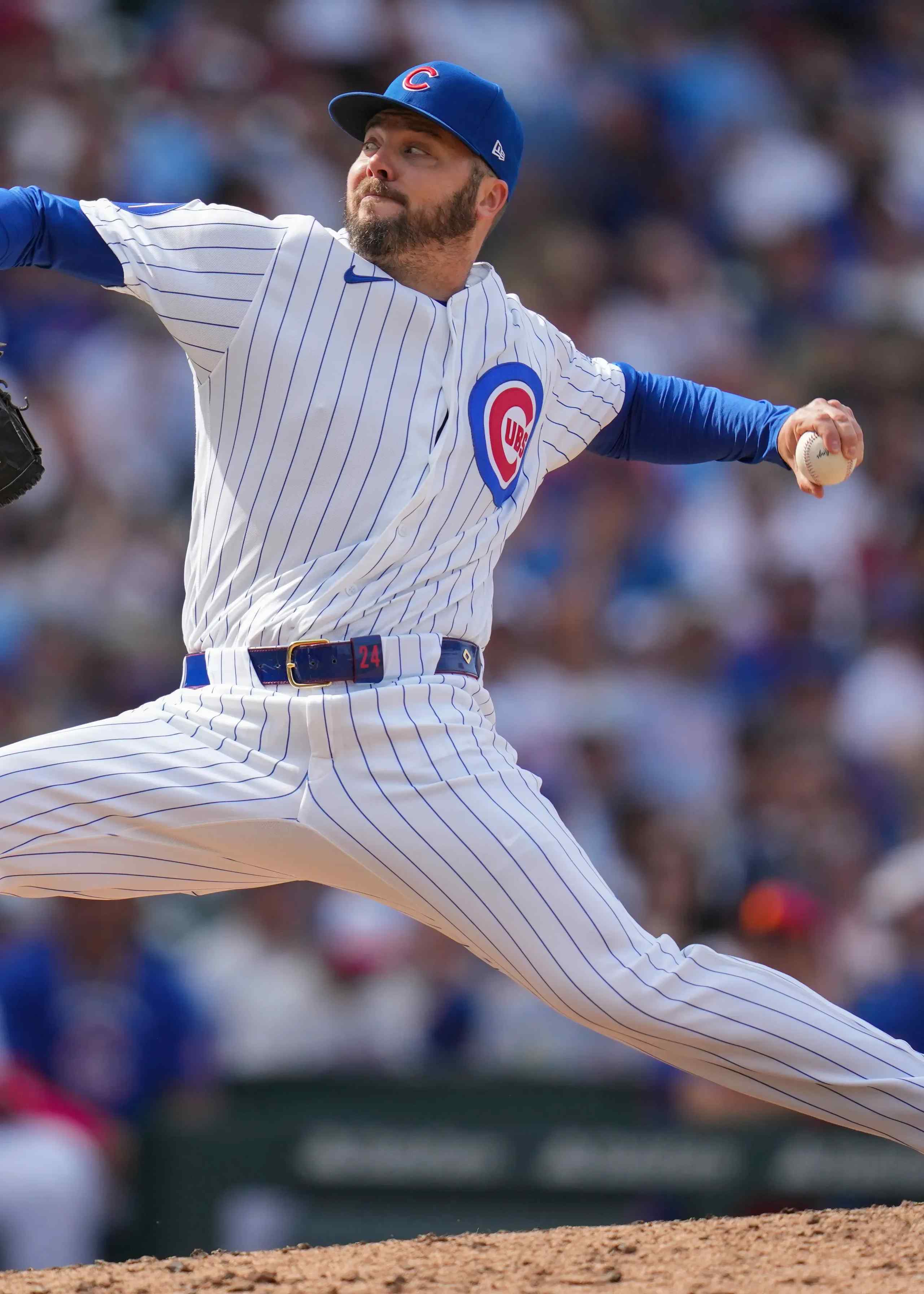
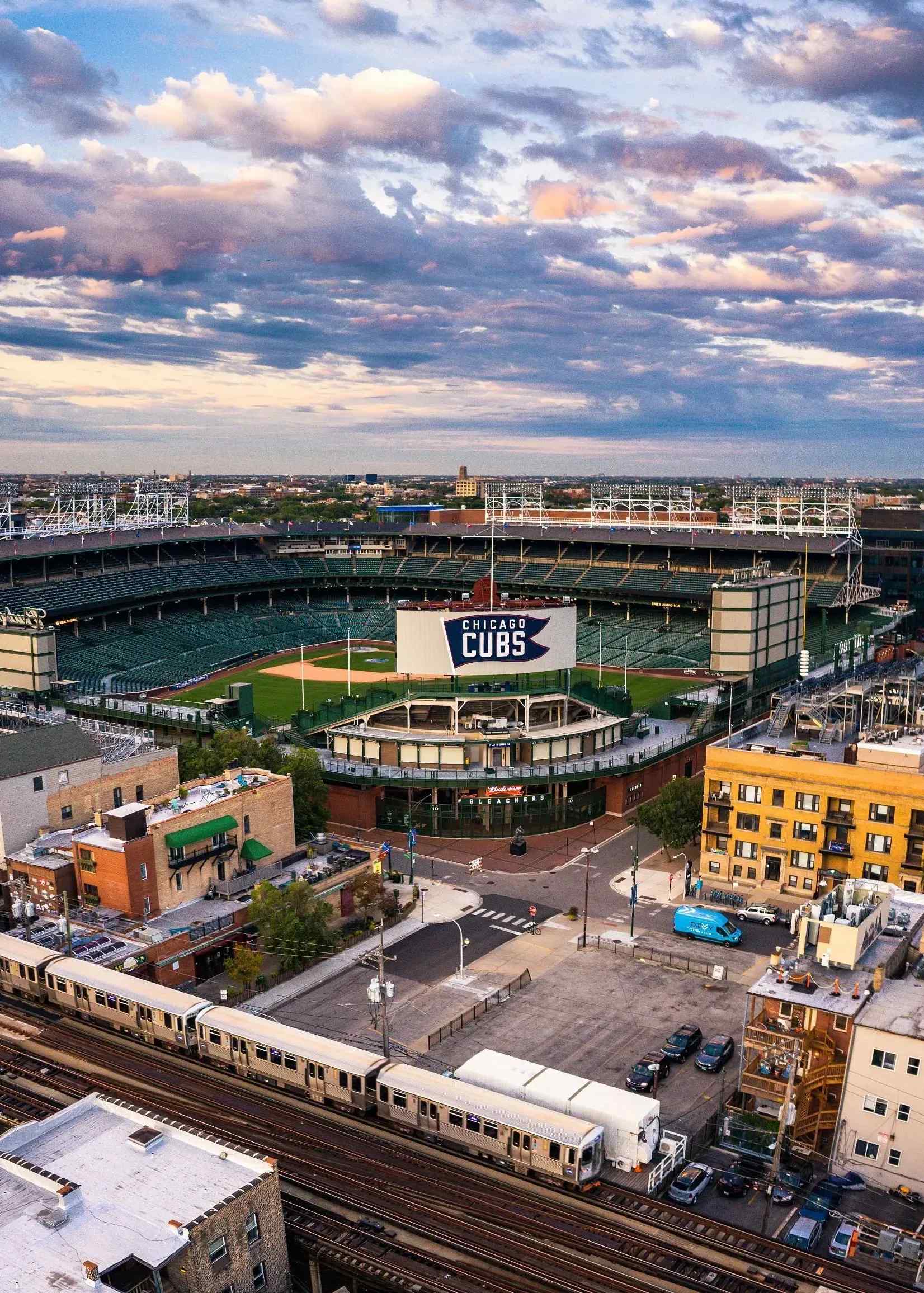
Choose Your Vantage Point: Bleachers, Seats, or Rooftop
Wrigley Field offers three distinct ways to enjoy the game. Each has benefits and drawbacks, and there’s a ‘best’ option for everyone.
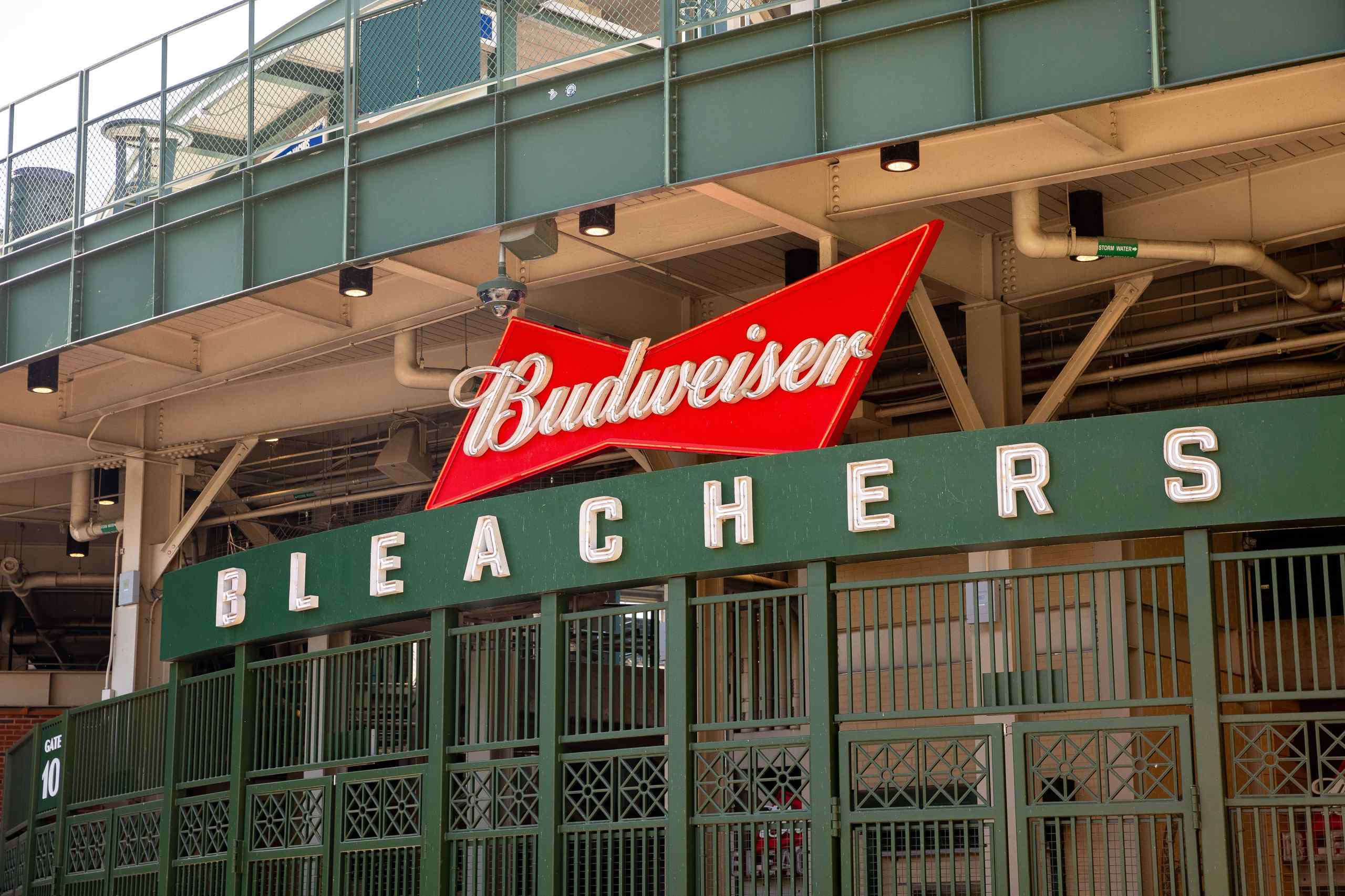
The Budweiser Bleachers
Best for: rowdy, energetic fans
The bleachers are a mainstay at Wrigley Field. They’re sold as general admission tickets, so seating is a free-for-all. The energy is hard to match with cup-snakes slithering up and down the stands, home-run-ball hunting galore. My personal favorite upside is the Hot Doug’s food stand. It features a rotating menu of unique dogs from legendary Chicago hot dog maker Doug Sohn. It’s only accessible with a bleachers ticket. The bleachers also tend to be cheaper than grandstand seats.
The downside? You’re bound to leave the bleachers with splotches of beer on your clothes and some sunburn if the weather’s nice.
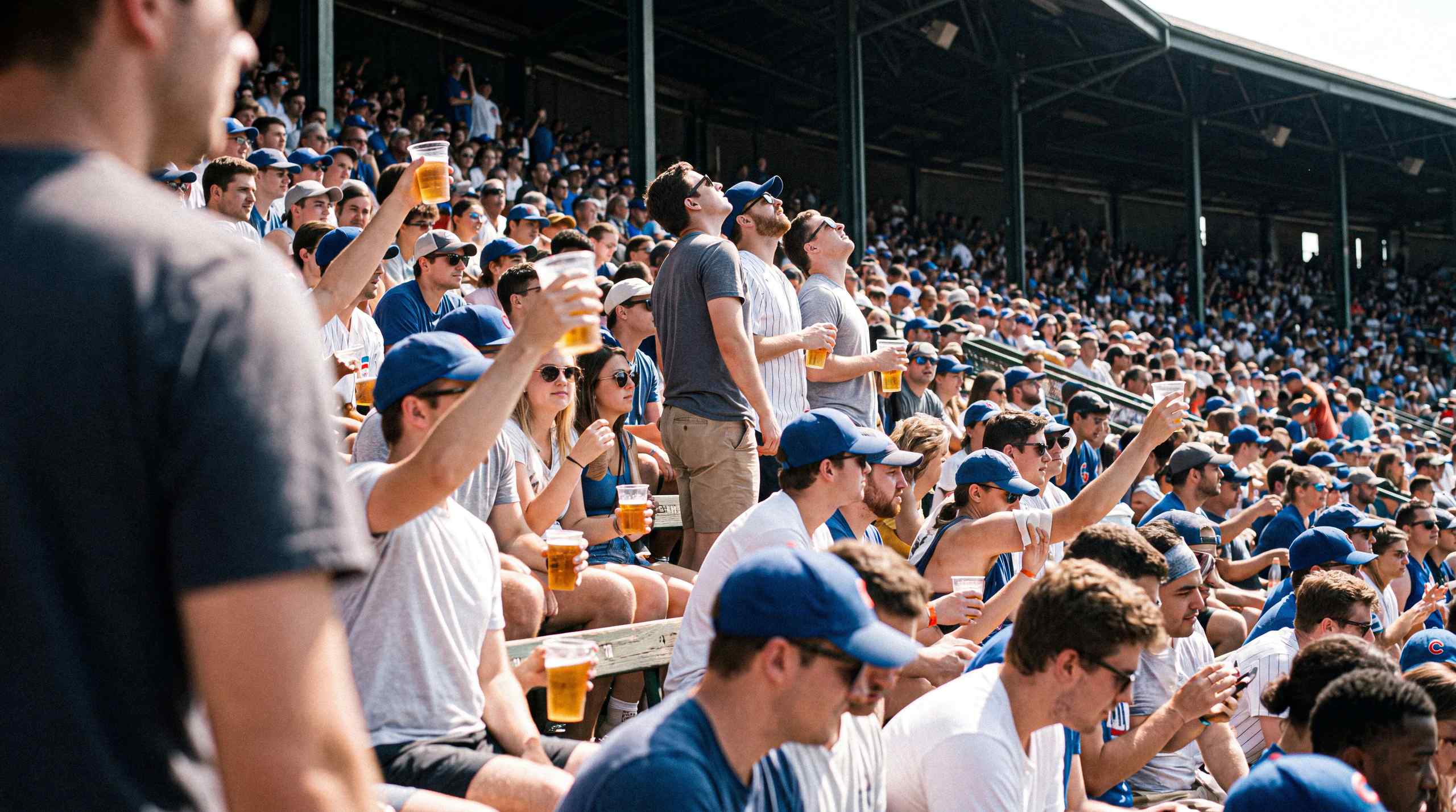
Main Grandstand Seats
Best for: baseball diehards, families
The Wrigley grandstand spans thousands of seats with various views of the field. They’re what you picture when you imagine a ballpark. They’re best for a “traditional” baseball experience and groups or families who want to sit together without being squished by rambunctious bleacher-goers. Many of the seats are shaded by the overhang, too.
Drawbacks of the grandstand include price (they’re the most expensive tickets on average) and occasionally obstructed views thanks to support pillars.

Wrigley Rooftops
Best for: local flavor; foodies
This one’s the most “Chicago” way to see a Cubs game. Wrigley Field is smack dab in the middle of a neighborhood (Wrigleyville, of course). Surrounding buildings have found a way to take full advantage. You can purchase a rooftop package that includes bleacher seating atop a building for a good view of the game. These typically include all-you-can-eat/drink perks as well. The price point can be pretty high, but you can easily get your money’s worth.
Downsides of the rooftops include slightly obstructed views and the fact that you’re not actually in the stadium. If that’s important to you, consider the bleachers or grandstand instead.
Get To Know Wrigley Field
Year Built | 1914 |
Capacity | 41,649 |
Address | 1060 W. Addison Street, Chicago, IL |
Age Rank | 2nd-oldest active MLB ballpark (after Fenway) |
Nickname | “The Friendly Confines” |
Original Name | Weeghman Park |
Renamed Wrigley Field | 1926 |
Ivy Added | 1937 |
Getting There, Getting Back: Transportation Options
Remember how I said Wrigley Field is in the middle of a neighborhood? The location gives the park an unmatched local feel, but it also makes parking a nightmare.
By Car: If you’re driving to Wrigley Field, there’s no shortage of paid parking lots that’ll cost you an arm and a leg. Assuming you don’t mind the walk, you can park near the Southport Corridor or elsewhere in Lakeview (minding the parking signs and obeying any restrictions, of course) and trek to the stadium from there. The simplest solution, if you can work it out, is not to drive.
By Bus: The Chicago Transportation Authority makes a trip to Wrigley Field simple. The 22 (Clark) and 152 (Addison) routes both take you right to the park. The travel time may be higher due to increased traffic, but at least you won’t be stuck behind the wheel and looking for a parking spot.
By Train: The CTA Red Line has a stop mere steps from Wrigley Field. It’s a straight shot from downtown Chicago, making it the easiest option if you’re staying in the Loop, River North, or Gold Coast (among other neighborhoods). Trains run with increased frequency on game days, and the fare is only $2.25 one way. Hard to beat.
By Rideshare: Uber and Lyft are good options for getting to the ballpark. Drop-off and pickup are on Waveland Ave (north side of Wrigley). Taking a rideshare home is a different story. Expect long waits made longer by traffic and surge pricing. If rideshare is your only option, consider walking a few blocks to make pickup less painful.
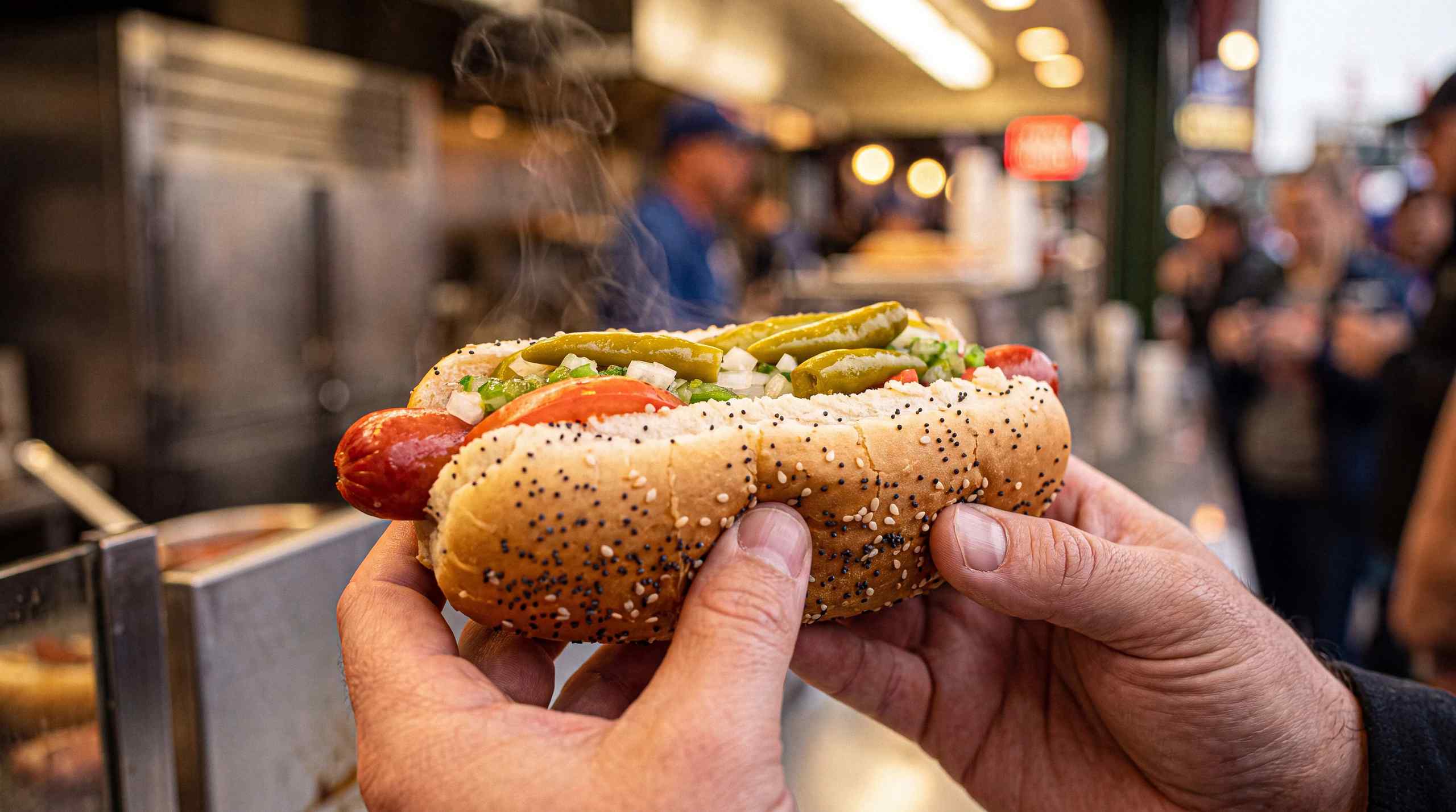
Pre- and Post-Game: Navigating Wrigleyville and Lakeview
The area around Wrigley is chock-full of amazing bars, shops, and restaurants. Here are a few local favorites.
- Murphy's Bleachers: The quintessential Wrigley bar. It's been across the street from the bleacher entrance forever and draws the full spectrum of Cubs fans. Go here if you want the classic pre-game experience.
- Byron's Hot Dogs: Just a few blocks north of the Wrigley entrance on Sheffield and Waveland, Byron's is an old-school hot dog joint with cheaper dogs than you'll find inside the park.
- Coda di Volpe: The neighborhood's best sit-down restaurant. Handmade pastas, pizza, and Mediterranean fare in an upscale casual setting. It earned a spot on the 50 Top Pizza list, ranking 44th in the country.
- Output: A local favorite for chicken wings, with a laid-back sports bar atmosphere just a three-minute walk from Wrigley.
- Jeni's Splendid Ice Creams: A refreshing getaway from the wall-to-wall bars of Wrigleyville. Worth a postgame stop, especially if you’re with kids.
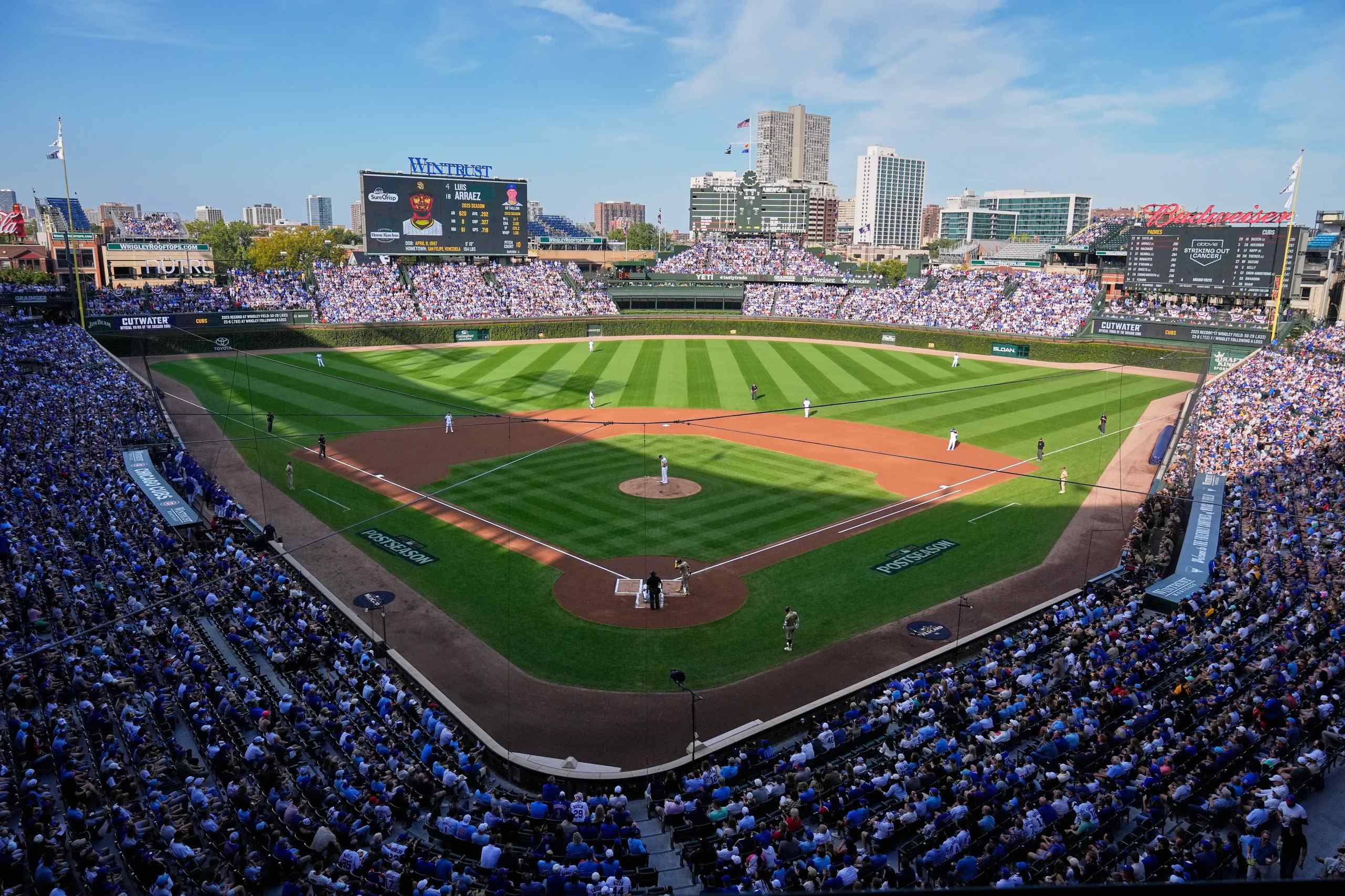
Beyond the Game: Wrigley Field Tours
You don't need a game ticket to experience Wrigley Field. The Cubs offer both non-game day and game day tours of the ballpark, and they're worth your time if you can’t get enough of the Cubbies and their iconic home.
Tours take you behind the scenes of a 112-year-old stadium. You'll walk through the visitor's clubhouse, get up to the press box, and get up close and personal with the famous ivy wall.
The historical layer is what takes the tour to the next level. Guides walk you through the story of a ballpark that's been standing since 1914, survived two world wars, and hosted some of the most iconic moments in baseball history.
Cubbies and More: Make The Most of Your Wrigley Visit
A Cubs game at Wrigley Field isn't just a baseball game. It's a quintessentially Chicago experience. Between the rooftops, the neighborhood bars, the ivy, and the history baked into every corner of the park, there's something here for everyone. If you want to extend the day, head a few blocks west to the Southport Corridor: a quieter, tree-lined stretch of shops, restaurants, and neighborhood bars that's a welcome contrast to the Wrigleyville chaos. Come for the Cubs. Stay in the city.
Cole Rush is a freelance writer, crossword constructor, and creative tinkerer with more than 10 years of experience writing about anything and everything. Cole’s primary area of expertise is the gambling industry, covering the expansion of sportsbooks and online casinos alongside emerging spaces like sweepstakes casinos and prediction markets.
More Articles like this
From NYC to Melbourne: Four Ultimate Sports Vacations
From New York to Melbourne, these four cities offer much more than a game ticket, combining iconic venues, major events, sightseeing, food, and nightlife into a bucket-list sports vacation.
By Bill Gelman
6 Luxury Vacation Destinations That Are Astonishingly Affordable
So, you thought you needed to be rich to vacation like a billionaire? Well, check out these glamorous destinations that famously deliver lavish getaways for far less than you think.

By Stuart Hughes
What to Do Before You Travel With Betting Apps
A little preparation can save you from blocked access and login errors. Knowing how sportsbooks track location helps you stay ahead of the most common problems.
By Charlon Muscat
Long Layover? Here’s When You Should Actually Leave the Airport
Flight delays and lengthy airport layovers are part and parcel of flying these days, so why not seize the chance to head off for a spontaneous adventure outside the airport instead?
By Stuart Hughes
Travel Destinations Where Grown-Ups Still Get To Feel Wonder
Wonder isn't just for kids at a theme park. These five U.S. destinations, from a surreal art maze to a 300-foot redwood grove, are built (or grown) to make grown-ups feel it too.
By Cole Rush
The Case for Taking the Train Instead of Flying
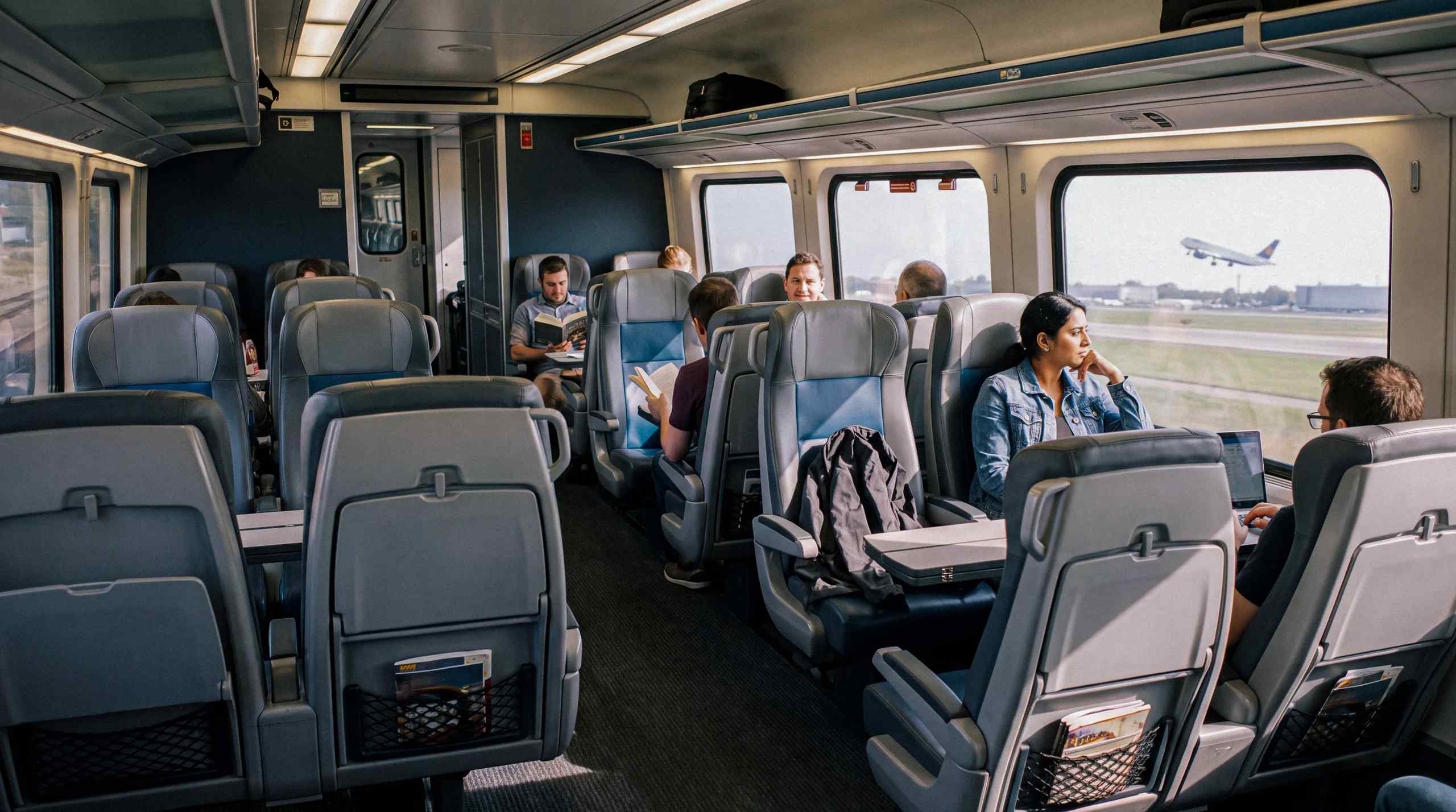
Amtrak just had its best year ever and rolled out a faster Acela. Airlines still win on raw speed. Here's an honest, numbers-first look at cost, comfort, reliability, and emissions, so you can pick the right mode for the right trip.
By Cole Rush