
The New Luxury Flex Is Experiences, Not Stuff
Luxury status now favors experiences—fine dining, travel, wellness resorts—over material possessions like cars and watches.
%20(1).webp)
Ten years ago and long into our history, luxury signaling centered around things. Watches, handbags, cars, designer clothes, and glitzy houses. Those things still exist, but we’ve seen a marked shift in the last few years from stuff to experiences. Nowadays, luxury increasingly looks like fine dining in international cities, wellness resorts in tropical paradises, Formula 1 weekends, and impossible-to-reserve restaurant bookings.
Modern status has evolved to become closely aligned with what you’ve experienced rather than what you own. We’re in the midst of a broad shift from possession to participation. Let’s explore why that is, and what it means.
Why Experiences Became More Valuable Than Objects
Exploring a broad, generalized shift like this rarely yields one root cause. Instead, it helps to zoom out and examine the macro factors that have led us to this point. Sure, luxury goods still exist, but they are increasingly taking a back seat to experiences.
Social Media Visibility
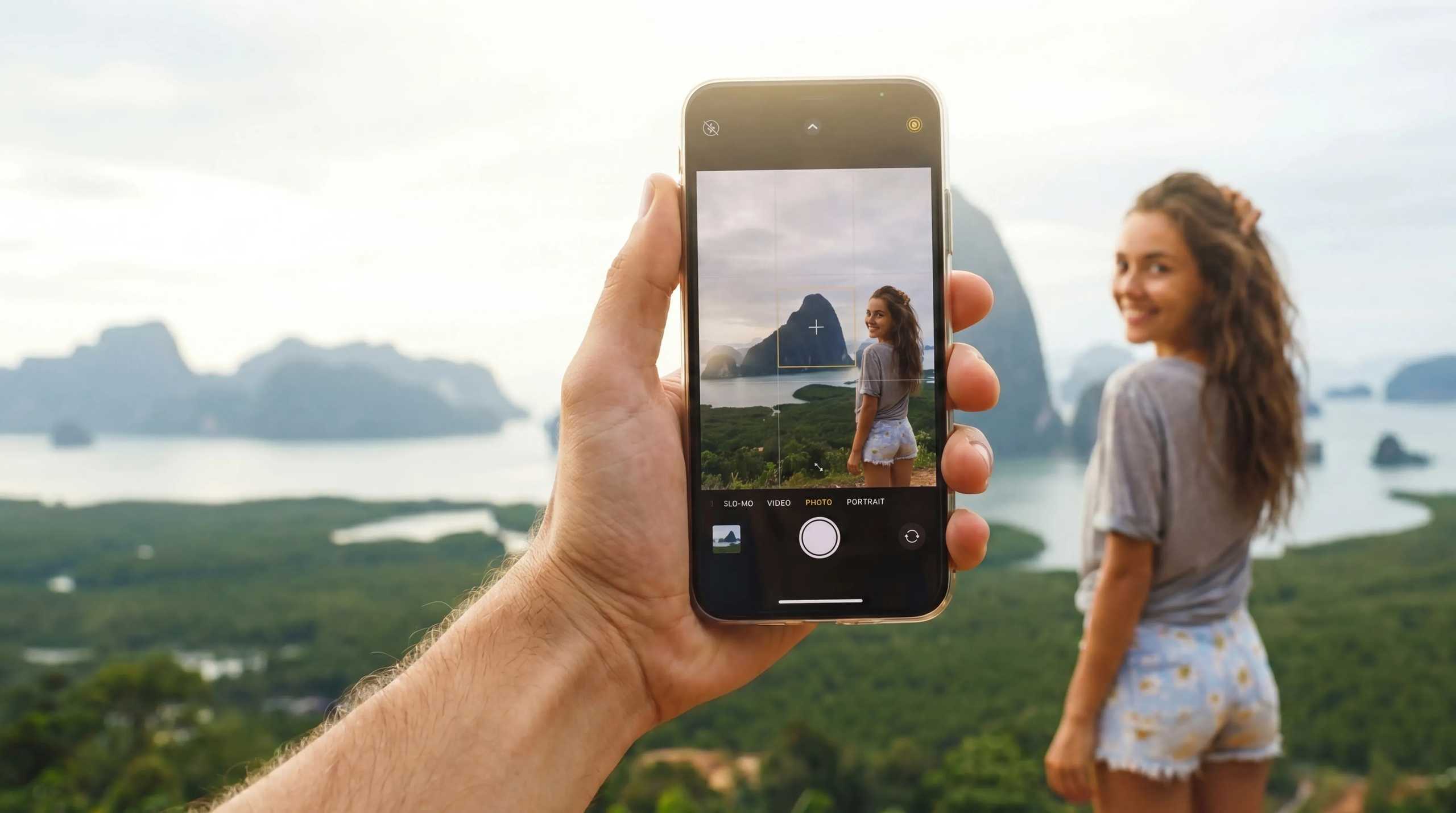
This is a big one. Experiences are ready-made for the social media “highlight reel.” You might not see an influencer’s quiet night on the couch (unless they’re plugging some relaxation product, of course), but you’ll sure as hell see their extravagant vacation in Mykonos.
The same goes for your friends and family. Social media has become a breeding ground for people to share their status by showcasing the latest experiences they’re having. Experiences make for better storytelling and content than a handbag or a designer suit.

Minimalism and Anti-Consumption Trends
Younger consumers tend to avoid overt materialism, instead preferring to enjoy and highlight the trips, nights out, and other experiences they’re having. This category is a mish-mash of various factors, including minimalism, anti-consumption, and budgeting priorities.
A study published in 2023, found that 78% of millennials and 75% of Gen Z would rather spend money on an experience than a material item.
Digital Life Changed Status Symbols
In the days before the internet and social media, goods and products were easier to flaunt as status symbols. Now, we’re in the age of online identity, and a picture of an expensive vase won’t do the same signaling as a group pic from your latest hiking trip.
Post-Pandemic Priorities
COVID-19 and its resulting stay-at-home orders led to a collective shift in priorities, at least anecdotally. Memory-making and mobility might have been taken for granted before. A years-long hold on leaving the house, enjoying a night out, or taking a vacation will put the real emotional value of those things into stark perspective.
Travel Became The Ultimate Status Signal
Traveling ain’t cheap, especially now that Spirit Airlines is defunct. And yet, it provides a richness of experience that owning a Rolex simply can’t match. Plus, travel sits at the epicenter of many different cultural and social status symbols. As a larger cultural touchstone, travel encompasses:
- Exclusivity, like high-profile destinations that cater to the rich or are offered as splurges for others.
- Scarcity and the limited number of opportunities to go to a certain place or see a certain landmark.
- Personalization. Sure, you can buy a fancy suit or dress you like, but travel is flexible in that you can build an entire trip around what you want to see or do.
- Cultural capital and the ability to connect with others through your travel stories and experiences.
Think of the many ways you can get the most out of your travel, and whether that would scratch the same itch for someone else. My wife and I took a trip to Utah; in the first half, we enjoyed Zion and Bryce Canyon national parks. In the second half, we stayed in Salt Lake City and attended a convention centered on our favorite author, Brandon Sanderson. That trip was special for us in a way that might be meh to others.
The travel industry is increasingly built around this idea. Remote luxury resorts, members-only clubs, curated tour itineraries, sporting events, and destination dining are just a few of the ways you can customize your travel experience.
The “Main Character” Economy
The internet culture aspect of this broader shift is arguably the biggest driver of the change.
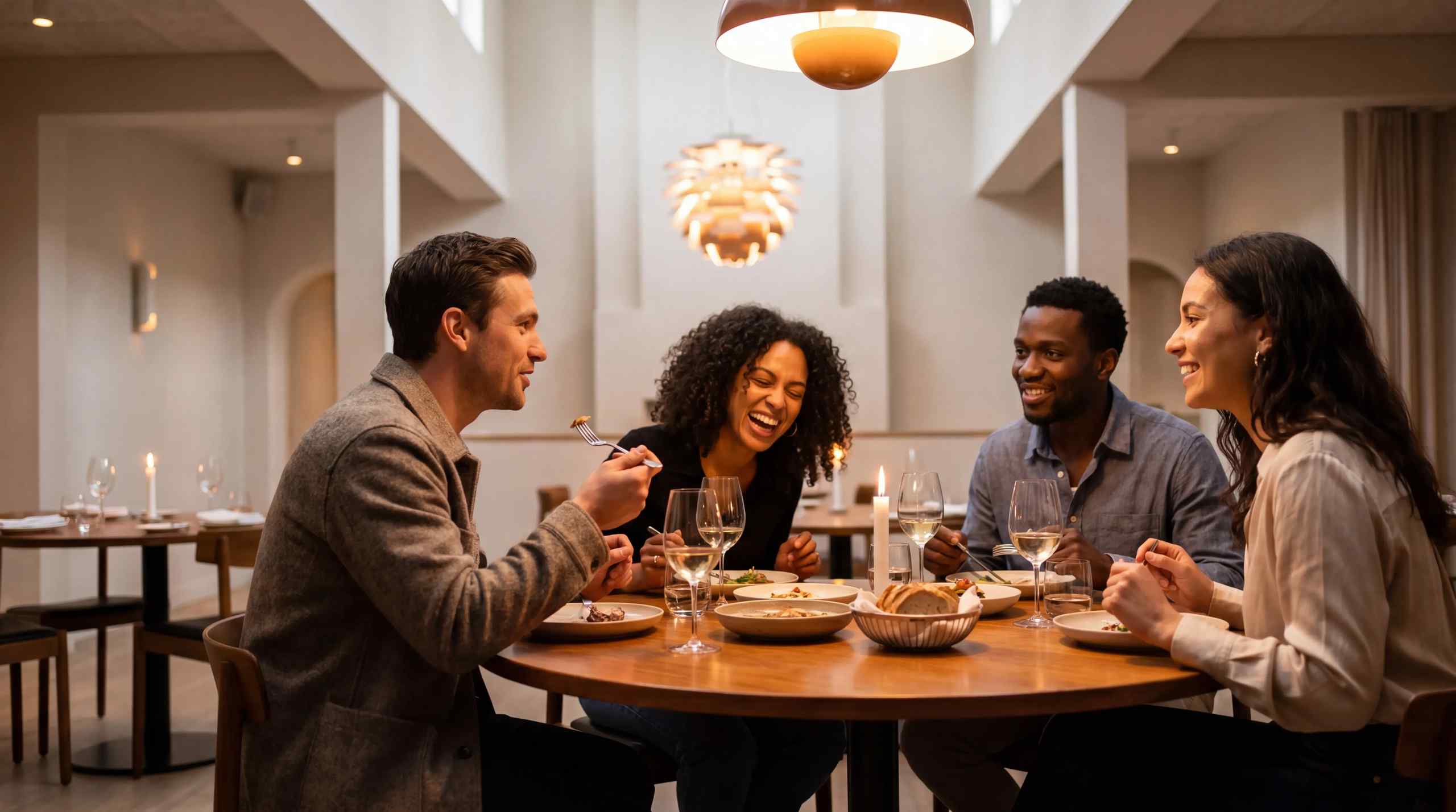
Modern luxury experiences are often consumed through the lens of narratives, aesthetics, and social media status signaling. It’s why there are countless TikTok accounts about travel culture or Instagram accounts curating vacation aesthetic vibes. Cinematic travel content and ads for personalized experiences are a dime a dozen. The modern luxury consumer is looking for emotionally cinematic and connective content, whether it’s aspirational (“I want to go there!”) or legitimately helpful in planning their next trip.
We all want to star in our own stories. For better or for worse, luxury experiences and how they’re promoted can shape those desires.
Why Brands and Hotels Are Adapting
The larger travel, hospitality, and experiential industries are adapting to this change more than ever. A few destinations have long been champions for luxury experiences. The small boutique desert town of Las Vegas comes to mind. The city is built for everyone to feel like a million bucks, and it’s hard not to feel it while you’re walking down the strip at midnight in search of a blackjack table.
But Vegas is just one niche example centered around a specific industry. Now, travel experiences are built around personalized and/or customizable itineraries, like-minded travel groups, event-driven hospitality packages, and more. You can book an entire trip focused on wellness, featuring delicious, healthful food, multiple spa treatments, and yoga and fitness. You can schedule an entire trip around eating at the best restaurants in a particular city.
Products might be part of these experiences, but they don’t make up the whole. The experience itself is the luxury.
Is This Actually Better Than Material Luxury?
Well, eye of the beholder and all that.
Positives:
- Less attachment to stuff and things
- More meaningful spending
- Memory-making versus status signaling
Negatives:
- Experience culture and social media can become performative
- Pressure to constantly curate “extraordinary” moments
Conclusion
Luxury is changing. What was once a term centered around goods and expensive things has shifted into the world of meaningful and emotional experience. Owning expensive stuff still signals wealth, but the real luxury flex these days is trying something new or going somewhere that makes you happy.
Cole Rush is a freelance writer, crossword constructor, and creative tinkerer with more than 10 years of experience writing about anything and everything. Cole’s primary area of expertise is the gambling industry, covering the expansion of sportsbooks and online casinos alongside emerging spaces like sweepstakes casinos and prediction markets.
More Articles like this
Beyond the Vegas Strip: 5 North American Casino Cities on a Roll
Vegas — been there, done that? Now find out why these incredible North American casino cities are upping the ante to rival Vegas and Atlantic City for thrills, spills, and wild weekends away.
By Stuart Hughes
Can Vacation Packages Really Save You Thousands? Maybe
Expedia promised savings of more than $10,000 on one vacation package. I priced two trips myself to find out whether booking direct was actually cheaper.
By Charlon Muscat
Are Airport Lounges Actually Worth Paying For?
Crowded rooms, tighter access rules, and rising fees have changed the lounge math. Our break-even calculation shows which travelers should still pay for access.
By Cole Rush
Is Fall Travel Still a Bargain? Not Everywhere
Fall used to mean cheaper flights and thinner crowds. In 2026, lodging in top U.S. cities runs 20% above summer. Here's where autumn still wins on price, weather, and crowds.
By Cole Rush
One Vegas Weekend, 10 Years Apart: An 82% Price Surge
A weekend in Vegas costs a lot more than it did a decade ago. We priced the same hotels, meals, and entertainment in 2016 and 2026 to see just how much.
By Charlon Muscat
From NYC to Melbourne: Four Ultimate Sports Vacations
From New York to Melbourne, these four cities offer much more than a game ticket, combining iconic venues, major events, sightseeing, food, and nightlife into a bucket-list sports vacation.
By Bill Gelman